
Apple Mac Support Net
Ανεξάρτητη Τεχνική Υποστήριξη και Service για τα Apple
Mac
7 Ημέρες την Εβδομάδα
10:00-20:00 > 6932 46 96
56
-


-
Αγορά Πληροφορικής
Αγορά Τηλεπικοινωνιών
Adobe
AirPort
Amazon
AMD
Αναπαραγωγή Ήχου & Μουσικής
Αναπαραγωγή Video
Android
Αντίγραφα Ασφαλείας & Συγχρονισμός Δεδομένων
Αντιμετώπιση Ψηφιακών Ιών (Antivirus)
Aperture
Απόψεις & Γνώμες
Apple
Apple App Store
Apple Events
Apple Exchange and Repair Extension Programs
Apple Keynote
Apple PencilApple QmasterApple Remote Desktop
Apple Stores
Apple TV
Apple VS Microsoft
Apple Watch
Αρχειοθέτηση & Βάσεις Δεδομένων
Ασύρματα & Ενσύρματα Δίκτυα
Αστρονομία
Asus
Backup
Bill Gates
Blackberry
Boot Camp
Brother
Γονική Μέριμνα & Γονική Επίβλεψη
Γραφικές Τέχνες
Canon
Cinema Display
Cinema ToolsColorCompressor
Computer Virus
CosmoteCSS
Διαδίκτυο (Internet)
Διασκέδαση & Ψυχαγωγία (Fun)
Διαφημίσεις
Διαχείριση Διακομιστών (Servers Administration)
Δικαιώματα Καταναλωτών
Δωρεάν Λογισμικό (Freeware)
DSL
DVD Studio ProeBayΕγγύηση/Εγγυήσεις Προϊόντων
EFI Updates
Εκπαιδευτικό Λογισμικό
Εκτυπώσεις
Ελληνική Νομοθεσία
Επεξεργασία Κειμένου & Ηλεκτρονική Σελιδοποίηση
Εργαλεία Συστήματος (System Tools)
Έρευνα & Ανάπτυξη
Epson
Ευρωπαϊκή Ένωση
Ευρωπαϊκή Νομοθεσία
Facebook
Final Cut Express
Final Cut Pro
Final Cut ServerFinal Cut StudioFireWire 400FireWire 800Firmware Updates
Fujifilm
Fusion DriveHacktivism
Ηλεκτρονικές Συναλλαγές
Θετικές Επιστήμες
Garage BandGestetner
Google
Hacking
Hewlett Packard
Hitachi
HTML
HTML5
Ιατρική & Φαρμακολογία
IBM
iBook
iCloud
iDVDiLife
iMac
iMac ProiMac Retina Display
iMovie
Intel
Intel Core 2 DuoIntel Core i3Intel Core i5Intel Core i7Intel XeoniOS 12iOS 11iOS 10iOS 9iOS 8
iOS 7
iOS 6
iOS 5
iOS 4
iOS 3
iOS 2
iOS 1
iOS
iPad Air
iPad Air 2
iPad Mini
iPad Mini 2iPad Mini 3
iPad Mini 4iPad Mini Retina Display
iPad New
iPad ProiPad Retina Display
iPad Retina Display New
iPad 2
iPad
iPhone XiPhone 8 PlusiPhone 8iPhone 7 PlusiPhone 7iPhone SEiPhone 6s PlusiPhone 6siPhone 6 Plus
iPhone 6
iPhone 5s
iPhone 5c
iPhone 5
iPhone 4S
iPhone 4
iPhone 3GS
iPhone 3G
iPhone 2G
iPhone
iPhoto
iPod
iPod Classic
iPod Nano
iPod Shuffle
iPod Touch
iTunes
iWebiWork
Java
JavaScript
Keynote
Κινητή Τηλεφωνιά
Κοινωνικά Δίκτυα (Social Networks)
Λειτουργικά Συστήματα
Lexmark
LinkedIn
Linux
LiveTypeLogic
Λογισμικό (Software)
Λογισμικό Mac (Mac Software)
Mac
Mac Mini
macOS Mojave 10.14macOS High Sierra 10.13
macOS Sierra 10.12
macOS
macOS ServerMac OS X El Capitan 10.11
Mac OS X Yosemite 10.10
Mac OS X Yosemite Server 10.10
Mac OS X Mavericks 10.9
Mac OS X Mavericks Server 10.9
Mac OS X Mountain Lion 10.8
Mac OS X Mountain Lion Server 10.8
Mac OS X Lion 10.7
Mac OS X Lion Server 10.7
Mac OS X Snow Leopard 10.6
Mac OS X Snow Leopard Server 10.6
Mac OS X Leopard 10.5
Mac OS X Leopard Server 10.5
Mac OS X Tiger 10.4
Mac OS X Tiger Server 10.4
Mac OS X Panther 10.3
Mac OS X Panther Server 10.3
Mac OS X Jaguar 10.2Mac OS X Jaguar Server 10.2Mac OS X Puma 10.1Mac OS X Puma Server 10.1Mac OS X Cheetah 10.0Mac OS X Cheetah Server 10.0Mac OS X
Mac OS X Server
Mac OS 9
Mac OS 8Mac OS 7Mac OS 6Mac Pro
Mac Support Net
Mac VS Linux
Mac VS Windows
MacBook
MacBook Air
MacBook Pro
MacBook Pro Retina Display
Μετεωρολογία & Πρόγνωση Καιρού
Microsoft
Microsoft Office
Microsoft Windows 8
Microsoft Windows 7
Microsoft Windows Vista
Microsoft Windows XP
Microsoft Windows Mobile
Microsoft Windows Server
Microsoft Windows
Motion
MP3
Νέα Προϊόντα Apple
Νέα Προϊόντα Πληροφορικής
Νέες Τεχνολογίες
Nikon
Νομικά Θέματα
Numbers
Οικολογία
Οικονομία & Λογιστική
Online Applications
Online Games
Οργάνωση & Διαχείριση Πληροφοριών
Οργάνωση & Διαχείριση Χρόνου
Pages
Παιχνίδια Mac (Mac Games)
Παιχνίδια Δράσης (Arcade)
Παιχνίδια Ρόλων (Role Playing)
Παιχνίδια Εξομοίωσης (Simulation)
Παιχνίδια Επιτραπέζια (Board)
Παιχνίδια Καταστροφής (Shoot 'Em Up)
Παιχνίδια Μηχανοκίνητων Αγώνων (Racing)
Παιχνίδια Περιπέτειας (Adventure)
Παιχνίδια Πολέμου (War Games)
Παιχνίδια Στρατηγικής (Strategy)
Παραγωγή & Επεξεργασία Γραφικών
Παραγωγή & Επεξεργασία Εικόνας
Παραγωγή & Επεξεργασία Ήχου
Παραγωγή & Επεξεργασία Ιστοσελίδων
Παραγωγή & Επεξεργασία Μουσικής
Παραγωγή & Επεξεργασία Παρουσιάσεων
Παραγωγή & Επεξεργασία Σχεδίου
Παραγωγή & Επεξεργασία Τρισδιάστατου Σχεδίου 3D-CAD
Παραγωγή & Επεξεργασία Τρισδιάστατων Γραφικών 3D-CAD
Παραγωγή & Επεξεργασία Φωτογραφίας
Παραγωγή & Επεξεργασία Video
Πολυμέσα (Multimedia)
Προγραμματισμός & Ανάπτυξη Λογισμικού
Προσωπικά Δεδομένα
Πρόταση Αγοράς
Πρόταση Δοκιμής
Panasonic
PayPal
Peer To Peer File Sharing (P2P)
Pentax
PlayStation
PowerBook
Quicktime
Σκληροί Δίσκοι
Σκληροί Δίσκοι > SSD
Σκληροί Δίσκοι > ΥβριδικοίSafari
Samsung
SanDisk
Seagate
SEO - Search Engine Optimization
Servers
ShakeSMC Update
Sony
Soundtrack ProSteve Jobs
TDK
Τεχνική Υποστήριξη Apple Mac
Τεχνική Υποστήριξη Mac
Τεχνολογίες Cloud
Tim Cook
Time Capsule
Time Capsule Alternative
Time Machine
Time Machine Server Pro
Thunderbolt
Torrents
Toshiba
Twitter
Υλικό (Hardware)
YouTube
Υποστήριξη Mac
Υποστήριξη Πελατών Apple
Υποστήριξη Χρηστών Mac
Υποστήριξη Apple Mac > Βοήθεια (Tips & Tricks)
Υποστήριξη Apple Mac > Επίλυση Προβλημάτων
Υποστήριξη Apple Mac > Mac OS Updates - Αναβαθμίσεις Λειτουργικού Συστήματος
Υποστήριξη Apple Mac > Software Updates - Αναβαθμίσεις Λογισμικού
Υποστήριξη Apple Mac > Τεχνικές Συμβουλές
Υποστήριξη Apple Mac > Τεχνική Βοήθεια
Υποστήριξη Mojave 10.14Υποστήριξη High Sierra 10.13Υποστήριξη Sierra 10.12Υποστήριξη macOS ServerΥποστήριξη El Capitan 10.11Υποστήριξη El Capitan Server 10.11Υποστήριξη Yosemite 10.10
Υποστήριξη Yosemite Server 10.10
Υποστήριξη Mavericks 10.9
Υποστήριξη Mavericks Server 10.9
Υποστήριξη Mountain Lion 10.8
Υποστήριξη Mountain Lion Server 10.8
Υποστήριξη Lion 10.7
Υποστήριξη Lion Server 10.7
Υποστήριξη Snow Leopard 10.6
Υποστήριξη Snow Leopard Server 10.6
Υποστήριξη Leopard 10.5
Υποστήριξη Leopard Server 10.5
Υποστήριξη Tiger 10.4Υποστήριξη Tiger Server 10.4Υποστήριξη Panther 10.3Υποστήριξη Panther Server 10.3Υποστήριξη Jaguar 10.2Υποστήριξη Jaguar Server 10.2Υποστήριξη Puma 10.1Υποστήριξη Puma Server 10.1Υποστήριξη Cheetah 10.0Υποστήριξη Cheetah Server 10.0Υποστήριξη Mac OS X
Υποστήριξη Mac OS X Server
Υποστήριξη Mac OS 9Υποστήριξη Mac OS 8Υποστήριξη Mac OS 7Υποστήριξη Mac OS 6Φανατικοί Χρήστες Προϊόντων Apple
Ψηφιακή Ασφάλεια
Unix
USB
USB 2.0USB 3.0
VDSL
Vodafone
VoIP
VPN
WebObjectsWestern Digital
WINDWi-Fi
X11
Xerox
XsanΙαν 2015
Δεκ 2014
Νοε 2014
Οκτ 2014
Ιουλ 2014
Μαϊ 2014
Απρ 2014
Μαρ 2014
Φεβ 2014
Ιαν 2014
Νοε 2013
Οκτ 2013
Ιουν 2013
Φεβ 2013
Ιαν 2013
Δεκ 2012
Νοε 2012
Οκτ 2012
Σεπ 2012
Ιουλ 2012
Ιουν 2012
Μαϊ 2012
Απρ 2012
Μαρ 2012
Φεβ 2012
Ιαν 2012
Δεκ 2011
Νοε 2011
Οκτ 2011
Σεπ 2011
Αυγ 2011
Ιουλ 2011
Ιουν 2011
Μαϊ 2011
Απρ 2011
Μαρ 2011
Φεβ 2011
Ιαν 2011
Δεκ 2010
Νοε 2010
Οκτ 2010
Σεπ 2010
Απρ 2012
Kaspersky: Apple "10 years behind Microsoft in terms of security"!
30 Απριλίου 2012 11:17 ::
Απόψεις & Γνώμες |
Αγορά Πληροφορικής | Apple |
Ψηφιακή Ασφάλεια |
Αντιμετώπιση Ψηφιακών Ιών (Antivirus)
| Computer
Virus | Microsoft
Windows | Microsoft
Windows 7 | Microsoft
Windows 8 | Microsoft
Windows Mobile | Microsoft
Windows Vista | Microsoft
Windows XP | Microsoft

Kaspersky Lab last week detailed why the increasing market share of the Apple Mac means more malware on the platform. Eugene (Yevgeny) Kaspersky, co-founder and CEO of the security firm, has now gone further in statement made at the Infosecurity Europe 2012 conference.
“I think [Apple] are ten years behind Microsoft in terms of security,” Kaspersky told CBR. “For many years I’ve been saying that from a security point of view there is no big difference between Mac and Windows. It’s always been possible to develop Mac malware, but this one was a bit different. For example it was asking questions about being installed on the system and, using vulnerabilities, it was able to get to the user mode without any alarms.”
Kaspersky is of course referring to the Flashback malware that has infected hundreds of thousands of Macs. He then reiterated what his employees and many security researchers have been saying for years: Apple needs to step up its game.
“Apple is now entering the same world as Microsoft has been in for more than 10 years: updates, security patches and so on,” Kaspersky said. “We now expect to see more and more because cyber criminals learn from success and this was the first successful one. They will understand very soon that they have the same problems Microsoft had ten or 12 years ago. They will have to make changes in terms of the cycle of updates and so on and will be forced to invest more into their security audits for the software. That’s what Microsoft did in the past after so many incidents like Blaster and the more complicated worms that infected millions of computers in a short time. They had to do a lot of work to check the code to find mistakes and vulnerabilities. Now it’s time for Apple [to do that].”
Kaspersky, the privately-held company, produces antivirus and other computer security products. Excluding the energy sector, Kaspersky Lab is considered one of Russia’s few international business success stories. The company makes excellent security software and I have personally recommended some of its products a few times.
That being said, Kaspersky, both the man and his company, of course would benefit from a malware epidemic on the Mac. That’s important to keep in mind, while acknowledging that the numbers are indeed growing and the Mac security situation is getting worse. Just how bad it’s getting, and will get, is a matter of perspective.
Πηγή: http://www.zdnet.com/blog/security/kaspersky-apple-10-years-behind-microsoft-in-terms-of-security/11706
Η μη ορθή χρήση Facebook, Twitter και Playstation προκαλεί προβλήματα υγείας!
27 Απριλίου 2012 11:38 ::
Απόψεις & Γνώμες |
Διαδίκτυο (Internet) |
Κοινωνικά Δίκτυα (Social Networks)
| Sony | PlayStation
| Facebook
| Twitter

Σύμφωνα με το επιστημονικό περιοδικό Βritish Journal of Dermatology το Facebook και το ΡlayStation δημιουργούν παρενέργειες στα παιδιά, δηλαδή η συνεχής ενασχόληση με τα βιντεοπαιχνίδια μπορεί να προκαλέσει ακόμη και δερματικές παθήσεις.
Συγκεκριμένα Ελβετοί ερευνητές αναφέρονται για την νέα διαταραχή που ονομάζεται «ΡlayStation palmar hidradenitis», δηλαδή ιδραδενίτιδα της παλάμης οφειλόμενη στο ΡlayStation. Η διαταραχή αυτή μπορεί να δημιουργήσει επώδυνα έλκη στις παλάμες των χρηστών.
Όπως αναφέρουν οι γιατροί του Πανεπιστημιακού Νοσοκομείου της Γενεύης ένα 12χρονο κοριτσάκι εμφάνισε κόκκινους ρόζους στις παλάμες εξαιτίας της έκκρισης ιδρώτα από την πολύωρη χρήση παιχνιδοκονσόλας. Επιπλέον, και παράλληλα με την ανακοίνωση του παραπάνω συμβάντος, η έγκριτη ειδικός Βαρόνη Γκρίνφιλντ που έχει την έδρα της Συναπτικής Φαρμακολογίας στο Κολέγιο Λίνκολν της Οξφόρδης στη Βρετανία, παρουσίαζε την ομιλία της στη Βουλή των Λόρδων.
Στην ομιλία αυτή αναφερόταν στις αλλαγές στον εγκέφαλο των παιδιών που προκαλούν οι δικτυακοί τόποι κοινωνικής δικτύωσης όπως το Facebook, το Βebo και το Τwitter. Συγκεκριμένα η ειδικός αυτή δηλώνει πως το μέσο μυαλό του 21ου αιώνα κινδυνεύει να μετατραπεί σε ένα μυαλό που χαρακτηρίζεται από διάσπαση της προσοχής, επίδειξη εντυπωσιασμού, ανικανότητα του ατόμου να δείχνει συμπόνια και ασταθή αίσθηση της ταυτότητάς του.
Πηγή: http://www.ygeianews.gr/section/paidi/content/facebook-kai-playstation-prokaloun-problimata-sta-paidia
Έρχεται η απάντηση της Samsung στο iCloud!
27 Απριλίου 2012 11:33 ::
Αγορά Πληροφορικής |
Νέα Προϊόντα Πληροφορικής |
Διαδίκτυο (Internet) | Samsung
| iCloud
|
Τεχνολογίες Cloud

Aπ' ό,τι φαίνεται το επόμενο Galaxy δεν θα είναι η μόνη σημαντική ανακοίνωση της Samsung στις 3 Μαΐου στο Λονδίνο. Σύμφωνα με πληροφορίες η εταιρεία ετοιμάζει και αυτή μια υπηρεσία cloud η οποία θα είναι ανταγωνιστική με το iCloud.
Σε ό,τι αφορά τα χαρακτηριστικά της οι πληροφορίες όπως θα περίμενε κανείς είναι ελάχιστες. Γίνεται μόνο λόγος για συνεργασία με δημοφιλείς τηλεοπτικές εκπομπές καθώς και για έλλειψη των περιορισμών που έχει το iCloud σε ό,τι αφορά το περιεχόμενο που μπορεί να ανεβάσει κανείς.
Ως προς το χώρο που θα προσφέρει, αυτός λογικά θα είναι περισσότερος από τα 5GB που δίνει η Apple. Δεν είναι σαφές όμως αν αυτή η πληροφορία αναφέρεται στο δωρεάν πακέτο ή σε κάποια αναβάθμιση του.
Πάντως στους λόγους για τους οποίους η Samsung δεν δημιούργησε νωρίτερα κάποια αντίστοιχη υπηρεσία συμπεριλαμβάνεται και το γεγονός ότι δεν έβρισκε κάποιον αξιόπιστο συνεργάτη. Τελικά όμως αποφάσισε να συνεργαστεί με την Microsoft οπότε και μπόρεσε να δώσει στο προϊόν της ακριβώς τις προδιαγραφές που επιθυμούσε.
Mobile Device Defense: A do or die dilemma
26 Απριλίου 2012 22:28 ::
Ψηφιακή Ασφάλεια |
Αγορά Πληροφορικής |
Αγορά Τηλεπικοινωνιών |
Κινητή Τηλεφωνιά | IBM

WikiLeaks releases 140.000 emails from Steve Jobs!
25 Απριλίου 2012 21:51 :: Apple | Steve Jobs

STOCKHOLM, SWEDEN — Enjoying the occasional Steve Jobs email that trickles onto the Internet? Prepare for the deluge.
Undaunted by their current travails, WikiLeaks has released 140,000 emails written by Apple’s enigmatic leader. While Scoopertino is only beginning to dig into this treasure trove, a richer picture of Steve Jobs is already beginning to emerge.
Overall, the emails reinforce the image of Steve as a man of few words. A cursory review of this massive email dump reveals that 88% of his messages contain three or fewer words, with 84% of those offering only one: “No.”
He did get a bit wordier in an exchange with North Korean bad boy Kim Jong Il. Kim, aching to get a pre-release iPod touch for his son back in August, wrote to Steve requesting “a favor from one dictator to another.” In this case, Steve doubled the syllable count with a quick “Hell no.”
Interestingly, Steve’s most verbose message seems to have been directed to his old partner, Steve Wozniak. With the Woz preparing for his third appearance on Dancing With The Stars, Steve sent an eight-word tome offering his own personal merengue tips: ”Stand proud. Hips loose. Mouthwash five minutes before.”
Most surprising, Steve’s emails show that he’s developed a “holy father/son” relationship with Pope Benedict XVI — a bond that formed when Steve sweet-talked the pontiff into appearing in the Pope Rock iPod commercial earlier this year. “Benny,” as Steve often addresses him, has been trying to get Apple to sponsor his next world tour. Steve emailed back that he’s happy to consider, “if you can just tone down the religion thing a little.”
Apple declined to make an official comment on this story, but leaves open the possibility that they will leak one later.
Ο Bill Gates είναι ψυχοπαθής;
22 Απριλίου 2012 11:05 ::
Αγορά Πληροφορικής |
Απόψεις & Γνώμες |
Νομικά Θέματα | Microsoft
| Bill Gates
http://www.youtube.com/watch?v=WUJMR3BUm2s
Imagine being able to announce your intention to kill 900 million people.
Imagine devising a plan so cunning that people line up to be complicit in their own murders.
Imagine having the resources to put that plan into action and the power to publically share your intention without any fear of repercussions.
This is pure psychopathy.
Psychopathy is defined as “a personality disorder characterized by a pervasive pattern of disregard for the rights of others and the rules of society. Psychopaths have a total lack of empathy and remorse, and have very shallow emotions. They are generally regarded as callous, selfish, dishonest, arrogant, aggressive, impulsive, irresponsible, and hedonist.”
Bill Gates, the mega-rich founder of Microsoft, could be defined as a classic psychopath.
Following in the jackbooted steps of his father, William Gates Sr., Bill Gates has been a long-time proponent of population control. Gates Sr. has long-time ties to outspoken eugenicist David Rockefeller, as well as Planned Parenthood (which was founded by a member of the American Eugenics Society).
In 2010, Bill Gates spoke at a TED convention, where he stated, While reproductive health care and birth control can obviously steer the population downward, how would health care and vaccines DECREASE the population unless by design?
"The world today has 6.8 billion people... that's headed up to about 9 billion. Now if we do a really great job on new vaccines, health care, reproductive health services, we could lower that by perhaps 10 or 15 percent.”
This was a clear public announcement of Gates’ plan to kill off hundreds of millions of people.
And yet, this announcement of mass murder has resulted in no punishment. No prison time has occurred, no criminal charges have been filed and no one is suing the pants off of the Gates family.
Gates has proclaimed this as “The Century of the Vaccination”, unrolling plans that 90% of the world be vaccinated. The Bill and Melinda Gates Foundation has “philanthropically” subjected hundreds of thousands of children in India to a polio vaccine that was banned in the United States because it caused the very disease it was purported to prevent. Over 47,500 Indian children given this vaccine have since developed a polio-like paralysis.
If Gates can’t poison you directly via vaccines, he has developed a secondary plan, and this one has the added bonus of lining his already-stuffed pockets. Under the benevolent cloak of promoting agricultural advancement, Gates has provided the farmers of the Third World with Monsanto seeds.
Gates has recently invested heavily in Monsanto, the GMO giant. Monsanto is responsible for the genetically engineered seeds with pesticides built right in. The seeds can only be used one time and the food that results from the seeds is nutrionally inferior to unmodified seeds. Despite (or perhaps because of) the lack of nutritional value and the inability to save seeds from one year to the next, Gates is gifting these toxic “terminator” seeds via the Bill and Melinda Gates Foundation.
In effect, by giving these seeds away, Gates and Monsanto are like the drug dealers that give someone the first hit for free. If the user wants to keep getting high, they’re going to have to buy the drugs after that first freebie. The fact that these GMO seeds are self-terminating makes this the gift that keeps on giving, because as Third World farms convert to these self-terminating seeds, the farmers will have no choice but to continue using the Monsanto seeds – new seeds must be purchased every year, which puts Monsanto well on the road to creating a global agricultural monopoly.
In Gates’ “annual letter” he outlines his plans under a humanitarian guise. He mentions agricultural technology, vaccines for every child, and his plans to get others to give “gifts” to the Third World.
The depopulation plans of Bill Gates are chilling when they are presented to the world as “philanthropy” but it’s even more disturbing that Gates makes public statements about the reduction of population.
He has clearly announced his plans….they are insidious. It’s infuriating to hear people say, “Oh, he didn’t mean it like that!” He clearly did mean it “like that” because every move he makes is another step towards his stated goal of depopulation.
Part of the game for a psychopath is manipulation. The challenge of convincing people to be complicit in their own deaths and enslavement is part of the entertainment. The psychopath manipulates and deceives just to see if he can get away with it. He is ruthless and utterly without conscience.
The only way to combat people like this is with information. Expose the plan by sharing this information. Let the world know about this evil NWO agenda of depopulation and control.
The bottom line?
The Bill and Melinda Gates Foundation promotes mass murder, involuntary sterility and agricultural monopoly that will ultimately lead to control of the world’s food supply.
Announcing their intentions only makes the game more interesting for them.
Sources:
Untested vaccines causing new wave of polio-like paralysis across India
Bill Gates and Monsanto Team Up to Fight World Hunger
2012 Annual Letter from Bill Gates
Πηγή: http://daisyluther.blogspot.co.uk/2012/04/is-bill-gates-psychopath.html
Seattle Rex vs. Apple: The Verdict Is In...

A few years ago, Apple sold me a $4,000 computer with a defective graphics chip/logic board. The defective part was the Nvidia 8600M GT GPU, and when it was discovered that the machine was defective, Apple refused to take it back and issue me a refund. Instead, they promised to replace the 8600M GT boards when they failed, up to 4 years from the date of purchase.
Three years later, the board failed, and predictably, Apple refused to replace it. Instead, they used the fact that the machine wouldn’t boot (due to the failed logic board) to deny the repair. Not only that, but in addition, they tried to charge me a hefty sum of money to have it replaced, knowing full well that Nvidia pays for the full repair cost.
Three and a half months ago, after having my repair denied, I announced on this very site that I was going to sue Apple. Reading these lawsuit threats often, many people assumed that I was bluffing or blowing off steam, but true to my word, I did exactly what I said I was going to do. I sued Apple.
I did not take this step lightly, however. In the months following the announcement, I did everything in my power to keep my dispute with Apple out of the court system.
First, I filed a complaint with the Better Business Bureau. In their rebuttal to the BBB, Apple blatantly lied about the diagnostics they had run on my computer, and the BBB promptly closed the case, leaving Apple’s “A+” rating intact.
Next, I spoke with Apple Executive Services … three separate times. Each time, I was told that “We value each customer and hope that they have a positive experience with Apple, and are sorry that you did not have this experience, but you will get nothing.” … or something to this effect.
After that, I sent a demand letter to Apple via certified mail. I informed them that if I did not have my issue resolved within 10 days, I would sue.
Only then, after Apple failed to reply, did I file a Small Claims lawsuit.
Last week, the trial was held.
I arrived at the King County Courthouse shortly after 8am, and about forty five minutes later, the clerk performed roll call. Imagine my surprise when I learned that Apple had sent not one, but two people to represent the company. When Apple told me that I would get nothing, they really meant it.
After calling roll, and before calling the docket, the clerk went down the case list and asked each litigant if they would be willing to try mediation. Mediation keeps cases out of the court system, and keeps the outcomes confidential. This is especially beneficial to companies, as having judgements issued against them by customers is bad PR.
Always one to exhaust all good-faith remedies before resorting to more drastic measures (really, nobody can say I didn’t try my hardest to stay out of court), I agreed to try mediation, and to my surprise, so did Apple.
Since everything said in the mediation room is confidential, I cannot go into details about what happened there, but I will tell you that it failed, and the case was sent back to the courtroom.
In retrospect, I am glad that mediation did fail. After seeing that Apple sent two guys … two guys who were in continuous contact with Apple legal via text and cell … I knew that I was outgunned, outspent, and out-everything elsed. $500,000,000,000 vs. $37 and a pack of chewing gum is not a fair fight. Because of this, I offered settlements that were ridiculously favorable to Apple and unfavorable to myself, but even these were rejected. Thank goodness that they were.
After failing mediation, shortly after 11am, we were called before the judge, sworn in, and I read my opening statement. I said basically everything I’ve been saying on this blog for the last several months. I stuck to the facts, handed my exhibits to the clerk (several printed pages), and was as professional as possible.
When it was Apple’s turn, their representatives opened by throwing a hail mary pass. While holding up the press release outlining the 8600GT replacement program, they claimed that, because the CPU in my MacBook Pro was clocked at 2.6Ghz, and not 2.4Ghz, or 2.5Ghz as stated in the release, that I had a completely different computer … one that was not subject to the 4 year replacement program.
You see, when I ordered my MacBook Pro, I paid about $300 extra for them to up-clock the chip from 2.5Ghz to 2.6Ghz. Yes, it was a classic Apple ripoff, and yes, I was dumb to order it, but I did it, mea culpa.
I had absolutely no idea that it would be used against me in a court of law to explain to a judge why I should not be covered by an extended warranty, and it caught me off-guard. Perhaps, despite everything, I am still a bit naive, because not even I expected Apple to just … lie. At least not in such a silly manner.
Remember, I was not going up against the owner of some taco stand, I was up against the most profitable company in the USA. I honestly expected more than a silly fib.
After listening to Apple, the judge turned to me and asked for my response, and I explained to him, in detail, that the chips, logic boards, and GPUs in all of the MacBook Pro models were the same, regardless of the speed at which the CPUs had been clocked.
Confused, the judge turned to Apple and asked, “Is this true?”
There was some awkward silence as the Apple guys exchanged uncomfortable looks between each other, before one of them finally said “Yes, it is.”
“So, this machine IS covered by the 8600GT repair program?”, asked the judge.
“Yes it is, your honor”, replied Apple.
So, there we were. Not more than 2 minutes into the trial, and Apple conceded to trying to hoodwink the judge.
This is more or less the way the rest of the trial played out. I made a point, Apple rebutted it with something completely off-the-wall and irrelevant, and I explained to the judge why Apple’s rebuttal was nonsense. I took the time to explain everything clearly, I answered all of the judge’s technical questions in detail, and at one point, the judge even declared that he would accept my testimony as that of an “expert witness”.
Apple, well, they didn’t really have a defense. They just kept repeating things like “It’s Apple’s policy to do this”, and “It’s Apple’s position that we do that”. The Apple guys seemed genuinely surprised that I knew as much as I did about computer hardware. I’m not trying to insult iPeople, at least not in this article, but during both mediation and the trial, I realized that Apple has a strong expectation that their users not be tech-savvy and, as such, Apple seems used to infantilizing and bamboozling their customers with silly and nonsensical explanations of highly technical matters.
Years ago, I remember debating the Mac vs. Everything Else issue with a friend of mine, and every time I would bring up the relative attributes of a particular component, he would always respond with “Specs don’t matter!”
I thought he was just being stubborn, but after this experience, I realize that this type of “I don’t care about gigahertz and whatchamajiggers, I just know that Macs use pixie dust and purple elephant dung to make magic!” mentality is a part of the Apple culture from the top down. From the lowest-level sales rep all the way up to the corporate guys.
As the trial went on, I showed the judge evidence that the 8600M graphics cards were known to be defective, I showed him that I had an 8600M in my machine, and I explained to him that, despite their promise to do so, Apple refused to replace my board because it would not boot, and it would not boot because the 8600M had failed.
The judge accepted these explanations, and when he asked Apple what it would cost to replace my logic board if I paid in cash, I interjected and explained to the judge that if Apple replaced only the logic board, it would simply be another logic board with a defective GPU, therefore, such a solution would not be acceptable.
The judge responded by asking Apple if my machine could be fitted with a different GPU, and when they replied “No, that machine will only accept an 8600M GT”, the judge declared my make & model of MacBook Pro to be defective and unrepairable by any means.
Eventually, over the continued objections of the Apple folks (one of the guys kept arguing that I should give Apple one last chance to fix it), I was awarded a cash amount. The amount I was awarded is enough to replace the computer, which means that I should once again have a 17″ laptop. Assuming Apple actually pays me.
Now, I didn’t get everything I asked for. When I filed the suit, I was pissed off, so I asked for the kitchen sink … a refund of Apple Care (which I only purchased when I learned the machine was defective), compensation for loss of use, and even some punitive damages.
Had I been able to show loss-of-use damages, I probably would have gotten them, but the judge awarded what would “make me whole” … essentially, putting me back in the same place that I was before Apple wronged me. This being the case, I received compensation for the machine itself, plus court costs, costs of service, etc.
It was a fair ruling, a little more than I expected actually, and I thanked the judge.
The Apple guys, well, they were none too happy. By the time I stood up, they had already beat a hasty path to the courtroom door. I was going to offer my hand, thank them for their time, and explain that it was nothing personal, but they weren’t interested in any of it.
And that was that.
I guess what they say is true. The sun even shines on a dog’s butthole every now and then, and on this day, I got myself a nice tan.
David faced Goliath, and not unlike the AT&T case a couple of months ago, David somehow, someway, came out on top.
Even though I’m glad it turned out the way it did, one question still nags me:
Why?
Why did it have to come to this?
At one point, the judge asked Apple how much it would have cost them to have simply replaced my logic board when I had taken it in, and one of the Apple guys said “Oh, it wouldn’t have cost us anything, Nvidia foots the bill for each board we replace.”
The judge’s face almost hit the floor as he shot me a quizzical look, to which I just shrugged. I knew that he, and everyone else in the courtroom was thinking the same thing:
If Apple could have replaced my logic board at no cost to themselves, then why in the hell did they drag this out for so long, and why did they send two people to court to try and make sure that I got absolutely nothing? Friends, this is a question I have been asking myself for three months, and it is a question that I do not have the answer to.
You know, I fully respect a person or a company that stands up for himself/itself when they are in the right. It’s the correct thing to do.
What I don’t understand, however, is why Apple fought so hard against me when they were clearly in the wrong. It wasn’t even a judgement call. I knew they were wrong, the judge knew they were wrong, the clerk knew it, the audience knew it, and you could tell … you could just tell that Apple knew it as well.
And what of the shareholders? What should they make of this? Apple’s stock has been an E-ticket ride lately, but this incident should really give shareholders pause. I mean, what kind of judgement are the current leaders of Apple using?
Think about it … instead of repairing my computer under the repair program that they, themselves, announced … at absolutely no cost to themselves … Apple paid two guys to come to Downtown Seattle, and … well … lie, so that I would not have a non-defective computer. When you factor in the time it took them to get here, the time spent in court, and the time to get home, Apple paid two guys a day’s wages to defend this suit.
In addition, instead of paying nothing for the repair, they paid a legal team to oversee the case, and, oh yeah … you guys, the shareholders, are buying me a new computer too. Thanks.
As far as I can tell, Apple spent all of this time and money, solely to be a bully. Was that really money well-spent? I mean, you can almost excuse the holy wars against Adobe, Samsung, Android, and the prototype guys … but a local blogger?
The obsessiveness of crushing all perceived enemies, no matter how big or small, regardless of whether they are wrong or right, should be of concern to all iFans and financiers. It’s getting to the point where it’s really, really just sick.
Gone are the days of the scrappy underdog, throwing a hammer through the window of conformity, and what has emerged is … well, it’s far worse than what it was rebelling against.
Apple has become the Orwellian nightmare that it warned us about some 30 years ago. A huge vehicle of sameness backed by legions of newthink practitioners, gleefully cheering as Big Bully annihilates one thoughtcriminal after another.
Apple may be profitable, but it’s not well. Something is wrong at the highest levels, and if I was strongly tied to the company financially, I might be worried. Although blinded by Apple’s success in the near-term, I don’t think history will judge the company favorably.
Anyway, now comes the hard part.
Collecting the money. A judgement is only a piece of paper. It’s worth nothing if you can’t collect.
If what I have seen from Apple is any guide, they will spend $50 Million to get out of paying my four-figure judgement, simply out of spite. Just how much of the shareholder’s money will Apple end up spending because they tried to screw Seattle Rex remains to be seen.
I’ll fight on, though. No matter how many obstacles Apple throws in my way, I’ll keep going. After all, it’s what I do. I guess you can say I …
Think Different.
Update: Wow, this article really set off a firestorm. I’ve received scores of emails from people who were given the same “it won’t boot so we won’t repair it” explanation that I was, and were forced to pay for the repair out of their own pocket.
This really is a larger suit, perhaps a class-action suit in the making (as much as I detest class-actions for their unfairness toward the class), and I am exploring the possibilities of bringing a second suit against the company for fraud, misrepresentation, etc.
I’m simply astounded by how many people received the same treatment as myself over the 8600M issue.
Πηγή: http://www.seattlerex.com/seattle-rex-vs-apple-the-verdict-is-in/
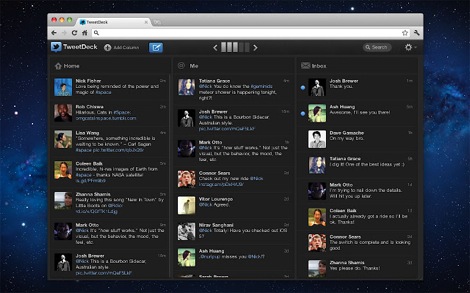
"TweetDeck": Δείτε τα Tweet σας με άλλο μάτι, με αυτό το πολύ χρηστικό και δωρεάν πρόσθετο (plug-in) του πλοηγού Google Chrome!
20 Απριλίου 2012 16:24 ::
Πρόταση Δοκιμής |
Λογισμικό Mac (Mac Software)
|
Δωρεάν Λογισμικό (Freeware) |
Κοινωνικά Δίκτυα (Social Networks)
|
Διαδίκτυο (Internet) | Mac | Mac OS X
DO NOT BUY iPHONES WHILE VACATIONING IN TURKEY!
19 Απριλίου 2012 22:47 :: iPhone
|
Νομικά Θέματα |
Δικαιώματα Καταναλωτών |
Αγορά Πληροφορικής |
Κινητή Τηλεφωνιά |
Αγορά Τηλεπικοινωνιών
This man has a 32GB iPhone 4S he bought 500 € on a
trip to Turkey. Oddly, once back home he wanted to
turn his iPhone to it then displayed continually
“Low Battery” (battery empty) on the screen. He
then loaded his cell phone but after several hours
of charging, the same message indicating a dead
battery was then appear. He had therefore decided
to dismantle its iPhone 4S and, surprise!
Le plus FAKE des iPhone 4S vient de Turquie από Spi0n
Le plus FAKE des iPhone 4S vient de Turquie από Spi0n
"Net News Wire": More news. Less junk. Faster.
16 Απριλίου 2012 18:30 ::
Πρόταση Δοκιμής |
Λογισμικό Mac (Mac Software)
|
Δωρεάν Λογισμικό (Freeware) |
Οργάνωση & Διαχείριση Πληροφοριών
|
Διαδίκτυο (Internet) | Mac | Mac OS X

Απομνημονεύματα μίας Τεχνικού!
15 Απριλίου 2012 18:25 ::
Αγορά Πληροφορικής

I have run into this problem since I was quite young.
Back then it was as simple as my friend Judi and I walking into a music store in Vancouver.
We would stroll around the store being totally ignored by the salesmen.
We used to joke about how easy it would be for us to just walk out the door with a guitar or two, and not even be noticed.
We would observe that as long as you were male you get the attention and service you wanted.
What if I had a few thousand dollars hanging around to spend on guitars, they would just assume and take it for granted that we were women, and that we couldn’t possibly want a guitar or amp.
The salesmen probably thought that we took a wrong turn and meant to go to Ming Wo for cooking utensils.
This brings me to 2010, and how much has really changed?
It seems that men are happy if we are in the kitchen beating those pots and pans and preparing a gourmet meal for them, or washing their clothes, or tending to their children, but god forbid that we try to repair their PCs.
Whoever said we couldn’t change a hard drive or rid the computer of a virus?
They don’t like the fact that some of us are brighter than them and that we might know a thing or two more than them.
Even if one of their male friends knows less then you, they just assume that a man automatically knows more, and has more credibility.
They will pay their man friend to fix their computer, but when you go and do the same job or better, they dismiss it and don’t think it is worthy of any domination.
I once heard one of my friends say, “You want what! for twirling a couple of buttons.”
If you think spinning a few buttons is so easy, then why don’t you do it?
How about if next time, I fix your computer and you prepare me the gourmand meal!
I think when that happens all of women kind will be elated.
Πηγή: http://macgurrl.wordpress.com/2010/05/22/why-cant-women-cook-fix-a-computer/
Τα Είδη των Γυναικών μέσα από τα μάτια ενός Πληροφορικάριου!
14 Απριλίου 2012 18:37 ::
Διασκέδαση & Ψυχαγωγία (Fun)

Γυναίκα MAC: Πληρώνεις πολλά για να τη αποκτήσεις, αλλά μετά δεν την αποχωρίζεσαι ποτέ.
Γυναίκα INTERNET: Γυναίκα με δύσκολη πρόσβαση.
Γυναίκα SERVER: Γυναίκα πάντα απασχολημένη όταν τη χρειάζεσαι.
Γυναίκα WINDOWS: Όλοι παραδέχονται ότι δε λειτουργεί αλλά δεν μπορούν να κάνουν χωρίς αυτή.
Γυναίκα POWERPOINT: Μόνο ο Bill Gates έχει την υπομονή να τη χρησιμοποιήσει πάνω από μισή ώρα.
Γυναίκα EXCEL: Λέγεται ότι είναι χρήσιμη για πάρα πολλά πράγματα, αλλά χρησιμοποιείται μόνο για τέσσερις βασικές λειτουργίες.
Γυναίκα WORD: Κάθε φορά που τη χρησιμοποιείτε σας επιφυλάσσει μια έκπληξη, αλλά δεν υπάρχει κανείς στον κόσμο ικανός να την κατανοήσει πλήρως.
Γυναίκα DOS: Όλοι την έχουν χρησιμοποιήσει έστω και μία φορά, αλλά κανείς δεν την θέλει πια.
Γυναίκα BACKUP: Είχατε πιστέψει ότι διέθετε όλα όσα σας χρειάζονται, αλλά τη κρισιμότερη στιγμή πάντα κάτι της έλειπε.
Γυναίκα VIRUS: Γνωστή και ως στρίγγλα σύζυγος ή γκομενοπρόβατο ή γαμπροκυνηγός ή παρτουζοχαρμάνα. Έρχεται εκεί που δεν την περιμένεις, εγκαθίσταται και καταναλώνει όλα τα αποθέματα. Αν επιχειρήσεις να την απεγκαταστήσεις, αναγκαστικά θα χάσεις κάποια αρχεία. Εάν δεν προσπαθήσεις αρκετά θα χάσεις τα πάντα.
Γυναίκα SCANDISK: Γνωρίζουμε ότι είναι καλή κι ότι θέλει να σε βοηθήσει, στην ουσία όμως, κανείς δε γνωρίζει τι ακριβώς κάνει.
Γυναίκα SCREENSAVER: Αν και δε χρησιμεύει σε τίποτα, είναι διασκεδαστική.
Γυναίκα PAINTBRUSH: Είναι χρήσιμη μόνο για τα παιδιά της.
Γυναίκα RAM: Μόλις αποσυνδεθεί, ξεχνάει όλα όσα είχε κάνει.
Γυναίκα HARD-DISK: Θυμάται τα πάντα, ΓΙΑ ΠΑΝΤΑ, εκτός και αν χαλάσει.
Γυναίκα MOUSE: Λειτουργεί μόνο αν τη χτυπάς και την κακομεταχειρίζεσαι.
Γυναίκα MULTIMEDIA: Τα κάνει όλα να φαίνονται όμορφα.
Γυναίκα MICROSOFT: Θέλει να καταδυναστεύει όλους τους πλούσιους ή πτωχούς γκομενοβοσκούς και μαμάκηδες που συναντά, και προσπαθεί να τους πείσει ότι είναι το παν γι' αυτούς. Κάνει ό,τι μπορεί για να σε στρέψει ενάντια στις άλλες γυναίκες και υπόσχεται ότι θα έχεις ό,τι επιθυμείς αρκεί να της εμπιστευτείς την ατζέντα με τα τηλέφωνα των φιλενάδων σου. Πριν καλά καλά το καταλάβεις, θα γίνει η μοναδική στη ζωή σου. Θα έλθει η στιγμή, που για ν' ανοίξεις το ψυγείο, ή για να πάρεις τα κλειδιά του αυτοκινήτου σου, θα χρειάζεσαι την έγκρισή της.
Γυναίκα PASSWORD: Νομίζεις πως είσαι ο μόνος που τη γνωρίζει, παρ' όλο που την γνωρίζει κι ο άλλος μισός πληθυσμός του πλανήτου.
Γυναίκα MP3: Θέλουν όλοι να την κατεβάσουν και να την κάνουν δική τους.
Γυναίκα ΧΡΗΣΤΗΣ: Κάνει τα πάντα λάθος, αλλά απαιτεί συνεχώς.
Γυναίκα MONITOR: Σε κάνει να βλέπεις τη ζωή με εντυπωσιακά χρώματα.
Γυναίκα DVD-WR: Γίνεται συνεχώς πιο γρήγορη και χωράει όλο και πιό πολλά μέσα της.
Γυναίκα E-MAIL: Τα 8 στα 10 από αυτά που σου λέει, είναι εντελώς άχρηστα.
Γυναίκα AUTOCAD: Δεν ξέρει τι να κάνει αν δεν της το πείς αναλυτικά.
Γυναίκα UNIX: Multiuser, Multitasking, αλλά κανείς δεν θέλει να είναι το αφεντικό της εκτός κι αν βγάζει ΑΡΚΕΤΑ χρήματα από αυτήν!
Γυναίκα OS/2: Δεν τη θυμάται πια κανείς.
Γυναίκα REAL-TIME: Κάτι που όλοι θα ήθελαν, αλλά ακόμα δεν έχει βρεθεί κάτι τέτοιο.
Οι πλημμύρες της Ταϋλάνδης πλημμυρίζουν με απληστία την αγορά σκληρών δίσκων!
13 Απριλίου 2012 21:25 ::
Αγορά Πληροφορικής |
Απόψεις & Γνώμες |
Υλικό (Hardware) |
Νομικά Θέματα |
Δικαιώματα Καταναλωτών | Western
Digital | Seagate

Η κατάσταση είναι γνωστή εδώ και μήνες. Οι καταστροφικές πλημμύρες της Ταϋλάνδης είχαν ή έχουν διακόψει τις εργασίες σε αρκετά εργοστάσια σκληρών δίσκων με αποτέλεσμα την σήμερον ημέρα, οι τιμές αυτών να έχουν πιάσει... κορυφή, με αύξηση του κόστους κτήσης που ξεπερνάει πολλές φορές το 150%!!!!
Έτσι, ένας ταπεινός δίσκος που προχτές κόστιζε €70, σήμερα μπορεί να κοστίζει παραπάνω από €170! Και όμως αυτό δεν είναι το χειρότερο στην κοροϊδία που υπόκειται σήμερα ο καταναλωτής...
Οι πλημμύρες αυτές καθ' εαυτές
Οι πλημμύρες είναι κάτι απόλυτα φυσιολογικό την εποχή των μουσώνων στην Ταϋλάνδη. Ξεκίνησαν από τα μέσα Ιούνη (δηλαδή πριν 7 ολόκληρους μήνες), και αν και δεν γνωρίζουμε ημερομηνίες (μόνο για ένα εργοστάσιο της WD που χτυπήθηκε τον Οκτώβρη και επανήλθε σε παραγωγή τον Νοέμβρη), μπορούμε να πούμε πως το φαινόμενο μπορεί να είναι υπαρκτό, αλλά πιθανώς όχι στον βαθμό που παρουσιάζεται!
Για όσους δε δεν πιστεύουν σε θεωρίες συνωμοσίας, θα τους υπενθυμίσουμε μια σχετικά πρόσφατη ιστορία, αυτή κάποιων κατασκευαστών μνήμης που επικαλέσθηκαν πριν κάποια χρόνια ζημιές από παρακείμενο σεισμό στα εργοστάσια τους, για να αυξήσουν κατακόρυφα τις τιμές στις μνήμες, με αποτέλεσμα να καταδικαστούν με μεγάλα πρόστιμα αργότερα.
Και πράγματι, όσο υπαρκτές και να είναι οι πλημμύρες, ας αναλογιστούμε πως:
• Τα εργοστάσια των μεγάλων κατασκευαστών δίσκων δεν είναι παραγκούπολες, ούτε φτιαγμένα από άχυρο, ούτε τοποθετημένα σε τρύπες.
• Στην Ταϋλάνδη παράγεται το 25% των δίσκων παγκοσμίως. Όχι το 100%, όχι το 50%, το ένα τέταρτο κύριοι, της παγκόσμιας παραγωγής!
• Πώς είναι δυνατόν τα ασφάλιστρα που αποδίδονται από την καταστροφή π.χ. στην WD να είναι το 1/5 με 1/6 της "εκτιμώμενης" καταστροφής;
Μπορούμε να κατανοήσουμε πως ακόμη και ένα εργοστάσιο να μπορεί να λειτουργήσει, καταστροφές σε υποδομές ή τρίτους συνεργάτες να το κρατάνε πίσω, αλλά μήπως τελικά όλα αυτά είναι δικαιολογίες και υπερβολές γιατί αυτή η πλημμύρα βολεύει φοβερά κάποιους;
Η τροφική αλυσίδα: Το μεγάλο ψάρι τρώει το μικρό
Μετά τις πλημμύρες, οι μεγάλοι κατασκευαστές αρχικά προειδοποίησαν για πιθανά προβλήματα στην διαθεσιμότητα δίσκων. Κανείς δεν τους πήρε στα σοβαρά, ένα φαινόμενο που περιγράφονταν αργότερα από κάποιους αναλυτές κάπως έτσι: "Όταν έγινε το Τσουνάμι στην Ιαπωνία, όλοι αντιδράσαμε υπερβολικά, οπότε με την πλημμύρα στην Ταϋλάνδη, μάλλον συνέβη το ανάποδο, και κανείς δεν αντέδρασε -αν και θα έπρεπε".
Η συνέχεια λοιπόν ήταν πιο δραματική, με συνεχείς ενημερώσεις για μια τραγική κατάσταση στην Ταϋλάνδη, για ελλείψεις μακροπρόθεσμες σε δίσκους, με σενάρια καταστροφής κ.λπ. Επαναλαμβάνω: Η Ταϋλάνδη κατέχει μόλις το 25% της παγκόσμιας παραγωγής δίσκων ενώ πραγματική ενημέρωση για το τί συμβαίνει υπάρχει (ή τουλάχιστον έχουμε βρει εμείς) για εργοστάσια της Western Digital!
Έτσι λοιπόν, η αγορά πληροφορικής άρχισε μεθοδευμένα να σπρώχνεται προς τον πανικό. Και εδώ υπάρχει το δεύτερο μεγάλο κομμάτι υποψίας:
Οι κατασκευαστές ενημέρωσαν πως θα παρέδιδαν χωρίς προβλήματα τα μεγάλα συμβόλαια και τις σταθερές τους προ-παραγγελίες στους μεγάλους κατασκευαστές-συνεργάτες τους, αφήνοντας να εννοηθεί πως οι υπόλοιποι θα πλήρωναν με κάποιο τρόπο την νύφη. Και όντως, π.χ. οι τιμές σε laptops των μαζικών κατασκευαστών δεν έχουν ανέβει! Το πρώτο "στρώμα" συνεργατών λοιπόν, δεν επηρεάστηκε ποσώς.
Το δεύτερο στρώμα, δηλαδή οι μεγάλοι εισαγωγείς εδώ και εκεί, επηρεάστηκαν σε ένα βαθμό, μικρό ή μεγάλο εξαρτώμενοι από την σχέση τους με τους κατασκευαστές δίσκων. Εκεί που όλοι πιέστηκαν δεν ήταν άλλοι από την τελευταία τρύπα του ζουρνά - τα καταστήματα λιανικής (και μαζί τους οι καταναλωτές), που πλήρωσαν το μάρμαρο της "καταστροφής", είτε γιατί οι κατασκευαστές δίσκων τιμολογούσαν πολύ πιο ακριβά στα κανάλια λιανικής, είτε γιατί οι εισαγωγείς προτίμησαν πρώτα να καλύψουν τις δικές τους ανάγκες (συναρμολογούμενα PCs) και μετά να πουλήσουν δίσκους στον υπόλοιπο λαό!!!
Προβλέψεις
Και πάμε στο επόμενο μεγάλο ερώτημα, τον χρόνο ανάκαμψης και εξομάλυνσης της κατάστασης. Αρχικά διαβάσαμε αναλυτές να αναφέρουν πως πλήρη ανάκαμψη θα είχαμε ως τα μέσα του 2012. Κάποιοι από αυτούς είναι αισιόδοξοι, π.χ. το IHS προβλέπει πως η ενίσχυση της παραγωγής σε εργοστάσια εκτός Ταϋλάνδης θα δημιουργήσει το πρώτο τετράμηνο του 2012 υπερπροσφορά και κάθετη πτώση τιμών. Άλλοι αναλυτές πάλι προβλέπουν πως όλο το 2012 θα υπάρχει πρόβλημα και ανωμαλία στην αγορά! Δεν μπορούμε να γνωρίζουμε πόσα από τα γραφόμενα αυτά είναι πραγματικά. Μπορούμε σίγουρα όμως να νιώθουμε υποψιασμένοι και απορημένοι...
The Intel incident
Καθώς οι σκληροί δίσκοι αποτελούν ένα αναπόσπαστο κομμάτι των περισσότερων σημερινών υπολογιστών, η αύξηση των τιμών και η έλλειψη τους, προκαλεί προβλήματα σε όλη την βιομηχανία, ή τουλάχιστον αυτό υποστήριξε η Intel σε press conference του CEO της, αναφέροντας πως οι επενδυτές θα πρέπει να αναμένουν πτώση στις προβλέψεις κερδοφορίας της εταιρείας. Τόσο η AMD όσο και η NVidia πάντως δεν δείχνουν να συμφωνούν, με την πρώτη ειδικά να διαψεύδει αντίστοιχη πρόβλεψη μέσω τους δικού της CEO. Μήπως για κάποιους η κατάσταση αυτή βόλεψε ως δεκανίκι για να δικαιολογηθεί η δική τους πτώση μεριδίου στην αγορά;
Μπορούν οι πλημμύρες να αποτελέσουν τη απαρχή την παντοκρατορίας των Solid State Drives;
Η αλήθεια είναι πως οι τιμές των SSDs είναι πλέον πολύ κοντά στο να χαρακτηριστούν υποφερτές. Ή τουλάχιστον έτσι δείχνουν σε σχέση με το πρόσφατο παρελθόν, αφού τα 128 GB ενός "γρήγορου" SSD κοστίζουν σήμερα όσο ένας δίσκος 1,5 - 2 TB. Φυσικά υπάρχουν αγορές όπου τα SSD έχουν μεγαλύτερη διείσδυση, όπως τα φορητά μηχανήματα, όπου ζητούμενο δεν είναι η χωρητικότητα αλλά η υψηλή απόδοση.
Μπορεί σήμερα να μην δείχνουν τα SSDs ικανά να αναπληρώσουν το κενό στην αγορά των σκληρών δίσκων, αλλά σίγουρα αυτή τη στιγμή κερδίζουν έδαφος, και όσο οι τιμές των σκληρών δίσκων παραμένουν υψηλές, τόσο δίνουν χρόνο στην αγορά στο να μπει στον πειρασμό να δοκιμάσει την νέα τεχνολογία..
Το κερασάκι στην τούρτα: Δεκεμβριανές μειώσεις εγγυήσεων σε Western Digital και Seagate
Και σαν να μην έφταναν όλα τα στραβά και ανάποδα που ταλαιπωρούν τον καημένο χρήστη, ξαφνικά η WD ρίχνει τις εγγυήσεις σε όλο το εύρος των προϊόντων της, ενώ (ύποπτα) αμέσως ακολούθησε και η Seagate, με τραγικές μειώσεις εγγύησης σε πολλά (πρώην) φθηνά μοντέλα - μειώσεις από 3 χρόνια σε 1 χρόνο, αρχής γενομένης της 30ης Δεκεμβρίου! Δεν θα σταθώ στο ότι η κίνηση αυτή των δύο εταιρειών έχει μυρωδιά lobbying -ελπίζω μόνο το θέμα να μην περάσει στα ψιλά. Εκείνο που με λυπεί είναι πως σε μια εποχή που ο καταναλωτής θα πρέπει να πληρώσει διπλάσια και βάλε για το ίδιο προϊόν, η κατασκευάστρια εταιρεία του, ρίχνει την χαριστική βολή μειώνοντας την εγγύηση αυτού, δηλαδή πληρώνουμε περισσότερα για να έχουμε λιγότερα!
Επίλογος
Προσωπικά θεωρώ πως η όλη κατάσταση αποτελεί 100% υπαιτιότητα των δύο μεγάλων κατασκευαστών δίσκων, Seagate και WD, γιατί είτε άθελα είτε ηθελημένα, αυτοί δημιούργησαν τόσο την έλλειψη λόγω διαχείρισης εργοστασίων, όσο και γιατί έσπειραν έναν πανικό που πλέον είναι δύσκολο να ελεγχθεί. Επιπρόσθετα δείχνουν να μην έχουν καμία ευαισθησία για τον τελικό καταναλωτή, μειώνοντας συντονισμένα σε μια τόσο δύσκολη εποχή τις εγγυήσεις των προϊόντων τους.
Το ότι οι μαγνητικοί δίσκοι και κατ' επέκταση οι κατασκευαστές τους, αποτελούν τον επόμενο δεινόσαυρο της πληροφορικής, το γνωρίζουμε όλοι. Αν όμως συνεχίσουν να δημιουργούν πρόβλημα στην αγορά με τον τρόπο που λειτουργούν, τότε ο μετεωρίτης που θα τις αφανίσει δια παντός, ίσως δεν αργήσει τόσο πολύ να πέσει -αν δεν έχει πέσει ήδη...
Πηγή: http://oem.gr/main/index.php/apothikeutika-mesa/4627-plimires-tis-taylandis-plimirizoun-me-aplistia-tin-agora-skliron-diskon
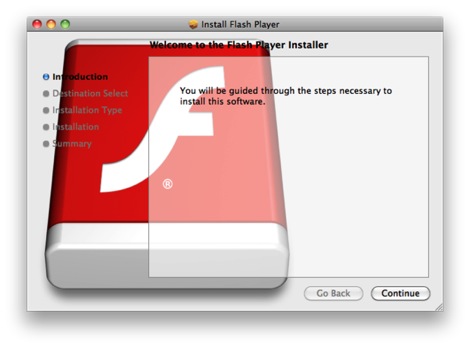
Apple developing Flashback malware removal tool.
11 Απριλίου 2012 11:24 ::
Ψηφιακή Ασφάλεια | Mac | Mac OS X
|
Αντιμετώπιση Ψηφιακών Ιών (Antivirus)
| Computer
Virus

Mac Flashback malware: What it is and how to get rid of it (FAQ) - The Flashback Trojan is the latest malware attack to target Apple's Mac platform. Here's your guide to what it is, whether you have it, and how to get rid of it.
"Smilebox": Δημιουργήστε εκπληκτικές παρουσιάσεις, εύκολα, γρήγορα και δωρεάν!
10 Απριλίου 2012 22:04 ::
Πρόταση Δοκιμής |
Λογισμικό Mac (Mac Software)
|
Δωρεάν Λογισμικό (Freeware) |
Παραγωγή & Επεξεργασία Παρουσιάσεων
|
Πολυμέσα (Multimedia) | Mac | Mac OS X

"Monolingual": Απελευθερώστε χώρο στον σκληρό δίσκο σας, αφαιρώντας τις μη χρησιμοποιούμενες γλώσσες, εντελώς δωρεάν!
09 Απριλίου 2012 10:34 ::
Πρόταση Δοκιμής |
Λογισμικό Mac (Mac Software)
|
Δωρεάν Λογισμικό (Freeware) |
Εργαλεία Συστήματος (System Tools)
| Mac | Mac OS X

"Evom": Drag. Drop. Convert. Watch Flash videos anywhere!
08 Απριλίου 2012 17:25 ::
Πρόταση Δοκιμής |
Λογισμικό Mac (Mac Software)
|
Δωρεάν Λογισμικό (Freeware) |
Παραγωγή & Επεξεργασία Video
|
Πολυμέσα (Multimedia) | Mac | Mac OS X

"iAd Producer": Δημιουργήστε συναρπαστικές διαφημίσεις γιά το iOS!
05 Απριλίου 2012 23:31 ::
Πρόταση Δοκιμής |
Λογισμικό Mac (Mac Software)
|
Δωρεάν Λογισμικό (Freeware) |
Προγραμματισμός & Ανάπτυξη
Λογισμικού | iOS | iOS 4 | iOS 5 | iOS 6 | iPad | iPad 2
| iPad New
| iPhone
| iPhone 3GS
| iPhone 4
| iPhone 4S
| iPod | Mac OS X Lion
10.7 |
Mac OS
X Mountain Lion 10.8 | Mac | Mac OS X

Πετάξτε τους στηθόδεσμους και φορέστε MacBook Pro!
02 Απριλίου 2012 15:47 ::
Διασκέδαση & Ψυχαγωγία (Fun)
|
Φανατικοί Χρήστες Προϊόντων Apple
| MacBook Pro


MacBook - MacBook Pro Retina Display - MacBook Air - PowerBook - iBook - Mac Pro - iMac - iMac Retina 5K Display - iMac Pro - Mac Mini - Xserve - Server - Power Mac - PowerBook - eMac - iPhone X - iPhone 8 Plus - iPhone 8 - iPhone 7Plus - iPhone 7 - iPhone SE - iPhone 6s Plus - iPhone 6s - iPhone 6 Plus - iPhone 6 - iPhone 5S - iPhone 5 - iPhone 4S - iPhone 3GS - iPhone 3G - iPad - iPad Mini - iPad Air - iPad Pro - 5G - 4G - 3G - WiFi - iPod - Apple Watch - Apple TV - Intel Core i7 - Intel Core i5 - Intel Core i3 - Intel Xeon - Intel Core 2 Duo - G5 - G4 - G3 - 12" - 13" - 14" - 15" - 17" - 20" - 21" - 24" - 27" - macOS Server - Mac OS X Server - Mojave 10.14 - High Sierra 10.13 - Sierra 10.12 - El Capitan 10.11 - Yosemite 10.10 - Mavericks 10.9 - Mountain Lion 10.8 - Lion 10.7 - Snow Leopard 10.6 - Leopard 10.5 - Tiger 10.4 - Panther 10.3 - Mac OS 9 - iOS - App Store - iTunes - iCloud - Facetime - iCal - iChat - iSync - Mail - Safari - Time Machine Backup - Quicktime - iLife - iPhoto - iMovie - iDVD - GarageBand - iWork - Pages - Keynote - Numbers - Final Cut Pro X - Final Cut Studio - Logic Pro - Aperture - LCD - Ram - Hard Disk - SSD - Hybrid - Fusion
This web site is not affiliated with Apple Inc.Αττική - Αθήνα - Θεσσαλονίκη - Πελλοπόνησος - Επτάνησα - Κυκλάδες - Δωδεκάνησα - Κρήτη
Apple Mac Support Net is not an Apple Authorised Service Provider. We provide Independent Technical Support and Service for Apple Mac Computers.
Apple, Mac, iPhone, iPad, iPod, Apple Logo and Mac Logo are registered trademarks of Apple Inc., registered in the U.S. and other countries.
All Copyrights, Logos, Trademarks and Intelectual Properties in this website are property of their respective owner.
All the rest ©2000- Apple Μac Support Net.