
Apple Mac Support Net
Ανεξάρτητη Τεχνική Υποστήριξη και Service για τα Apple
Mac
7 Ημέρες την Εβδομάδα
10:00-20:00 > 6932 46 96
56
-


-
Αγορά Πληροφορικής
Αγορά Τηλεπικοινωνιών
Adobe
AirPort
Amazon
AMD
Αναπαραγωγή Ήχου & Μουσικής
Αναπαραγωγή Video
Android
Αντίγραφα Ασφαλείας & Συγχρονισμός Δεδομένων
Αντιμετώπιση Ψηφιακών Ιών (Antivirus)
Aperture
Απόψεις & Γνώμες
Apple
Apple App Store
Apple Events
Apple Exchange and Repair Extension Programs
Apple Keynote
Apple PencilApple QmasterApple Remote Desktop
Apple Stores
Apple TV
Apple VS Microsoft
Apple Watch
Αρχειοθέτηση & Βάσεις Δεδομένων
Ασύρματα & Ενσύρματα Δίκτυα
Αστρονομία
Asus
Backup
Bill Gates
Blackberry
Boot Camp
Brother
Γονική Μέριμνα & Γονική Επίβλεψη
Γραφικές Τέχνες
Canon
Cinema Display
Cinema ToolsColorCompressor
Computer Virus
CosmoteCSS
Διαδίκτυο (Internet)
Διασκέδαση & Ψυχαγωγία (Fun)
Διαφημίσεις
Διαχείριση Διακομιστών (Servers Administration)
Δικαιώματα Καταναλωτών
Δωρεάν Λογισμικό (Freeware)
DSL
DVD Studio ProeBayΕγγύηση/Εγγυήσεις Προϊόντων
EFI Updates
Εκπαιδευτικό Λογισμικό
Εκτυπώσεις
Ελληνική Νομοθεσία
Επεξεργασία Κειμένου & Ηλεκτρονική Σελιδοποίηση
Εργαλεία Συστήματος (System Tools)
Έρευνα & Ανάπτυξη
Epson
Ευρωπαϊκή Ένωση
Ευρωπαϊκή Νομοθεσία
Facebook
Final Cut Express
Final Cut Pro
Final Cut ServerFinal Cut StudioFireWire 400FireWire 800Firmware Updates
Fujifilm
Fusion DriveHacktivism
Ηλεκτρονικές Συναλλαγές
Θετικές Επιστήμες
Garage BandGestetner
Google
Hacking
Hewlett Packard
Hitachi
HTML
HTML5
Ιατρική & Φαρμακολογία
IBM
iBook
iCloud
iDVDiLife
iMac
iMac ProiMac Retina Display
iMovie
Intel
Intel Core 2 DuoIntel Core i3Intel Core i5Intel Core i7Intel XeoniOS 12iOS 11iOS 10iOS 9iOS 8
iOS 7
iOS 6
iOS 5
iOS 4
iOS 3
iOS 2
iOS 1
iOS
iPad Air
iPad Air 2
iPad Mini
iPad Mini 2iPad Mini 3
iPad Mini 4iPad Mini Retina Display
iPad New
iPad ProiPad Retina Display
iPad Retina Display New
iPad 2
iPad
iPhone XiPhone 8 PlusiPhone 8iPhone 7 PlusiPhone 7iPhone SEiPhone 6s PlusiPhone 6siPhone 6 Plus
iPhone 6
iPhone 5s
iPhone 5c
iPhone 5
iPhone 4S
iPhone 4
iPhone 3GS
iPhone 3G
iPhone 2G
iPhone
iPhoto
iPod
iPod Classic
iPod Nano
iPod Shuffle
iPod Touch
iTunes
iWebiWork
Java
JavaScript
Keynote
Κινητή Τηλεφωνιά
Κοινωνικά Δίκτυα (Social Networks)
Λειτουργικά Συστήματα
Lexmark
LinkedIn
Linux
LiveTypeLogic
Λογισμικό (Software)
Λογισμικό Mac (Mac Software)
Mac
Mac Mini
macOS Mojave 10.14macOS High Sierra 10.13
macOS Sierra 10.12
macOS
macOS ServerMac OS X El Capitan 10.11
Mac OS X Yosemite 10.10
Mac OS X Yosemite Server 10.10
Mac OS X Mavericks 10.9
Mac OS X Mavericks Server 10.9
Mac OS X Mountain Lion 10.8
Mac OS X Mountain Lion Server 10.8
Mac OS X Lion 10.7
Mac OS X Lion Server 10.7
Mac OS X Snow Leopard 10.6
Mac OS X Snow Leopard Server 10.6
Mac OS X Leopard 10.5
Mac OS X Leopard Server 10.5
Mac OS X Tiger 10.4
Mac OS X Tiger Server 10.4
Mac OS X Panther 10.3
Mac OS X Panther Server 10.3
Mac OS X Jaguar 10.2Mac OS X Jaguar Server 10.2Mac OS X Puma 10.1Mac OS X Puma Server 10.1Mac OS X Cheetah 10.0Mac OS X Cheetah Server 10.0Mac OS X
Mac OS X Server
Mac OS 9
Mac OS 8Mac OS 7Mac OS 6Mac Pro
Mac Support Net
Mac VS Linux
Mac VS Windows
MacBook
MacBook Air
MacBook Pro
MacBook Pro Retina Display
Μετεωρολογία & Πρόγνωση Καιρού
Microsoft
Microsoft Office
Microsoft Windows 8
Microsoft Windows 7
Microsoft Windows Vista
Microsoft Windows XP
Microsoft Windows Mobile
Microsoft Windows Server
Microsoft Windows
Motion
MP3
Νέα Προϊόντα Apple
Νέα Προϊόντα Πληροφορικής
Νέες Τεχνολογίες
Nikon
Νομικά Θέματα
Numbers
Οικολογία
Οικονομία & Λογιστική
Online Applications
Online Games
Οργάνωση & Διαχείριση Πληροφοριών
Οργάνωση & Διαχείριση Χρόνου
Pages
Παιχνίδια Mac (Mac Games)
Παιχνίδια Δράσης (Arcade)
Παιχνίδια Ρόλων (Role Playing)
Παιχνίδια Εξομοίωσης (Simulation)
Παιχνίδια Επιτραπέζια (Board)
Παιχνίδια Καταστροφής (Shoot 'Em Up)
Παιχνίδια Μηχανοκίνητων Αγώνων (Racing)
Παιχνίδια Περιπέτειας (Adventure)
Παιχνίδια Πολέμου (War Games)
Παιχνίδια Στρατηγικής (Strategy)
Παραγωγή & Επεξεργασία Γραφικών
Παραγωγή & Επεξεργασία Εικόνας
Παραγωγή & Επεξεργασία Ήχου
Παραγωγή & Επεξεργασία Ιστοσελίδων
Παραγωγή & Επεξεργασία Μουσικής
Παραγωγή & Επεξεργασία Παρουσιάσεων
Παραγωγή & Επεξεργασία Σχεδίου
Παραγωγή & Επεξεργασία Τρισδιάστατου Σχεδίου 3D-CAD
Παραγωγή & Επεξεργασία Τρισδιάστατων Γραφικών 3D-CAD
Παραγωγή & Επεξεργασία Φωτογραφίας
Παραγωγή & Επεξεργασία Video
Πολυμέσα (Multimedia)
Προγραμματισμός & Ανάπτυξη Λογισμικού
Προσωπικά Δεδομένα
Πρόταση Αγοράς
Πρόταση Δοκιμής
Panasonic
PayPal
Peer To Peer File Sharing (P2P)
Pentax
PlayStation
PowerBook
Quicktime
Σκληροί Δίσκοι
Σκληροί Δίσκοι > SSD
Σκληροί Δίσκοι > ΥβριδικοίSafari
Samsung
SanDisk
Seagate
SEO - Search Engine Optimization
Servers
ShakeSMC Update
Sony
Soundtrack ProSteve Jobs
TDK
Τεχνική Υποστήριξη Apple Mac
Τεχνική Υποστήριξη Mac
Τεχνολογίες Cloud
Tim Cook
Time Capsule
Time Capsule Alternative
Time Machine
Time Machine Server Pro
Thunderbolt
Torrents
Toshiba
Twitter
Υλικό (Hardware)
YouTube
Υποστήριξη Mac
Υποστήριξη Πελατών Apple
Υποστήριξη Χρηστών Mac
Υποστήριξη Apple Mac > Βοήθεια (Tips & Tricks)
Υποστήριξη Apple Mac > Επίλυση Προβλημάτων
Υποστήριξη Apple Mac > Mac OS Updates - Αναβαθμίσεις Λειτουργικού Συστήματος
Υποστήριξη Apple Mac > Software Updates - Αναβαθμίσεις Λογισμικού
Υποστήριξη Apple Mac > Τεχνικές Συμβουλές
Υποστήριξη Apple Mac > Τεχνική Βοήθεια
Υποστήριξη Mojave 10.14Υποστήριξη High Sierra 10.13Υποστήριξη Sierra 10.12Υποστήριξη macOS ServerΥποστήριξη El Capitan 10.11Υποστήριξη El Capitan Server 10.11Υποστήριξη Yosemite 10.10
Υποστήριξη Yosemite Server 10.10
Υποστήριξη Mavericks 10.9
Υποστήριξη Mavericks Server 10.9
Υποστήριξη Mountain Lion 10.8
Υποστήριξη Mountain Lion Server 10.8
Υποστήριξη Lion 10.7
Υποστήριξη Lion Server 10.7
Υποστήριξη Snow Leopard 10.6
Υποστήριξη Snow Leopard Server 10.6
Υποστήριξη Leopard 10.5
Υποστήριξη Leopard Server 10.5
Υποστήριξη Tiger 10.4Υποστήριξη Tiger Server 10.4Υποστήριξη Panther 10.3Υποστήριξη Panther Server 10.3Υποστήριξη Jaguar 10.2Υποστήριξη Jaguar Server 10.2Υποστήριξη Puma 10.1Υποστήριξη Puma Server 10.1Υποστήριξη Cheetah 10.0Υποστήριξη Cheetah Server 10.0Υποστήριξη Mac OS X
Υποστήριξη Mac OS X Server
Υποστήριξη Mac OS 9Υποστήριξη Mac OS 8Υποστήριξη Mac OS 7Υποστήριξη Mac OS 6Φανατικοί Χρήστες Προϊόντων Apple
Ψηφιακή Ασφάλεια
Unix
USB
USB 2.0USB 3.0
VDSL
Vodafone
VoIP
VPN
WebObjectsWestern Digital
WINDWi-Fi
X11
Xerox
XsanΙαν 2015
Δεκ 2014
Νοε 2014
Οκτ 2014
Ιουλ 2014
Μαϊ 2014
Απρ 2014
Μαρ 2014
Φεβ 2014
Ιαν 2014
Νοε 2013
Οκτ 2013
Ιουν 2013
Φεβ 2013
Ιαν 2013
Δεκ 2012
Νοε 2012
Οκτ 2012
Σεπ 2012
Ιουλ 2012
Ιουν 2012
Μαϊ 2012
Απρ 2012
Μαρ 2012
Φεβ 2012
Ιαν 2012
Δεκ 2011
Νοε 2011
Οκτ 2011
Σεπ 2011
Αυγ 2011
Ιουλ 2011
Ιουν 2011
Μαϊ 2011
Απρ 2011
Μαρ 2011
Φεβ 2011
Ιαν 2011
Δεκ 2010
Νοε 2010
Οκτ 2010
Σεπ 2010
Ερωτευμένη με το MacBook της!

Mήνες στην αναμονή για το «ασφαλές» κινητό Blackphone! To Blackphone κρυπτογραφεί τις κλήσεις, τα μηνύματα και τα αποθηκευμένα δεδομένα!

Ξεκίνησαν τη Δευτέρα οι προπαραγγελίες για το Blackphone, ένα κινητό τηλέφωνο που υπόσχεται να προστατεύσει τους καχύποπτους χρήστες από τις παρακολουθήσεις της NSA. Οι παραδόσεις, όμως, θα αρχίσουν τον Ιούνιο.
Η «ασφαλής» συσκευή αναπτύχθηκε από τις εταιρείες Silent Circle και Geeksphone, οι οποίες δηλώνουν ότι το Blachphone είναι «το πρώτο smartphone του κόσμου που βάζει την ιδιωτικότητα και τον έλεγχο των δεδομένων απευθείας στα χέρια των χρηστών του.
Το Blackphone κοστίζει 629 δολάρια και τρέχει μια «πειραγμένη» έκδοση του Android, καθώς και εφαρμογές για κρυπτογραφημένες κλήσεις με συμβατές συσκευές. Προσφέρει επίσης μια ποικιλία εφαρμογών υψηλής ασφάλειας, όπως λογισμικό που επιτρέπει τη διαγραφή των δεδομένων στην περίπτωση κλοπής.
Προφανώς, το Blackphone επιχειρεί να κεφαλαιοποιήσει την παράνοια, ή τον δικαιολογημένο φόβο, που προκάλεσαν οι αποκαλύψεις Σνόουντεν για παρακολουθήσεις ηγετών και πολιτών από την αμερικανική υπηρεσία πληροφοριών NSA.
Στη Γερμανία, αναφέρει η εφημερίδα Süddeutsche Zeitung, πολλοί χρήστες του WhatsApp για αποστολή φωτογραφικών μηνυμάτων εγκαταλείπουν τη δημοφιλή υπηρεσία μετά την εξαγορά της από τη Facebook για το αστρονομικό ποσό των 19 δισ. δολαρίων.
Οι καχύποπτοι χρήστες στρέφονται τώρα στο αντίστοιχο app της νεοσύστατης ελβετικής εταιρείας Threema, το οποίο προσφέρει λειτουργία κρυπτογράφησης.

Απειλή για την ελευθερία του λόγου βλέπει η ΕΕΛ/ΛΑΚ στην υπόθεση Diu!


Έχεις ASUS modem-router; Εάν ναι, ενδέχεται τα δεδομένα σου να μην είναι ασφαλή!

Αν είστε κάτοχος router της ASUS, να ξέρετε ότι τα δεδομένα στον υπολογιστή σας ενδέχεται να μην είναι ασφαλή. Ένας χρήστης, εντόπισε πρόσφατα ένα αρχείο κειμένου στον υπολογιστή του που τον προειδοποιούσε ότι είχε πέσει θύμα hacking εξαιτίας ενός κενού ασφαλείας στο router της ASUS που χρησιμοποιούσε για να έχει πρόσβαση στο σκληρό του δίσκο από διάφορες τοποθεσίες στο τοπικό του δίκτυο.
Το μήνυμα που είχε “ανεβάσει” κάποιος στον σκληρό του δίσκο έλεγε: “Αυτό είναι ένα αυτοματοποιημένο μήνυμα που εστάλη σε όσους έχουν επηρεαστεί. Στο ASUS router (και στα έγγραφα σας) μπορεί να έχει πρόσβαση ο καθένας στον κόσμο με σύνδεση στο Internet. Είναι απαραίτητο να προστατεύσετε τον εαυτό σας και να μάθετε περισσότερα διαβάζοντας το άρθρο που ακολουθεί στην διεύθυνση: http://nullfluid.com/asusgate.txt.
Ο συγκεκριμένος χρήστης πάντως το πιθανότερο είναι να μην είναι ο μοναδικός που βρήκε το παραπάνω αρχείο κειμένου στον σκληρό του δίσκο. Δύο εβδομάδες νωρίτερα, σχεδόν 13.000 διευθύνσεις IP κατόχων ASUS routers “αναρτήθηκαν” σε κοινή θέα.
Το hacking group που ανέλαβε την ευθύνη δημοσιοποίησε και ένα αρχείο torrent που περιέχει 10.000 λίστες (ολοκληρωμένες ή τμήματα) από αρχεία που περιείχαν οι σκληροί δίσκοι που συνδέονταν σε routers της ASUS.
Ποια είναι τα routers που επηρεάζονται; Τα μοντέλα RT-AC66R, RT-AC66U, RT-N66R, RT-N66U, RT-AC56U, RT-N56R, RT-N56U, RT-N14U, RT-N16 και RT-N16R.
Η ευπάθεια αφορά σε όσους χρήστες έχουν ενεργοποιήσει μέσω του AiCloud (οι λειτουργίες Cloud Disk, Smart Access, Smart Sync φαίνεται πως ενεργοποιούν το κενό ασφαλείας) την https Web service πρόσβαση, με το κενό ασφαλείας να επιτρέπει την πλήρη πρόσβαση στους καταλόγους και στα αρχεία του χρήστη χωρίς να είναι απαραίτητη η ταυτοποίηση.
Οι κάτοχοι ASUS router καλό θα ήταν να αναβαθμίσουν το firmware της συσκευής, να αλλάξουν passwords –αν χρησιμοποιούν τους προεπιλεγμένους κωδικούς-και να απενεργοποιήσουν την δυνατότητα απομακρυσμένης διαχείρισης και των λειτουργιών Cloud και FTP αν δεν είναι απαραίτητες.

Microsoft Windows Epic Fail!
Microsoft, Past and Future.

In broad strokes, here is my view of Microsoft’s history.
In the beginning, Bill Gates stated the company’s goal: “A computer on every desk and in every home.” That was crazy. The PC revolution was well underway, but the grand total of PCs sold when Gates stated that mantra was, by today’s standards, effectively zero. PCs were for hobbyists. Everyone involved knew they were on to something, but Gates realized, at the outset, that they were on to something huge. The industry was measuring sales in the thousands, but Gates was already thinking about billions. Here’s Gates, in an interview from 2010:
Paul Allen and I had used that phrase even before we wrote the BASIC for Microsoft.We actually talked about it in an article in — I think 1977 was the first time it appears in print — where we say, “a computer on every desk and in every home…” and actually we said, “…running Microsoft software.” If we were just talking about the vision, we’d leave those last three words out. If we were talking an internal company discussion, we’d put those words in. It’s very hard to recall how crazy and wild that was, you know, “on every desk and in every home.” At the time, you have people who are very smart saying, “Why would somebody need a computer?” Even Ken Olsen, who had run this company Digital Equipment, who made the computer I grew up with, and that we admired both him and his company immensely, was saying that this seemed kind of a silly idea that people would want to have a computer.
He was right. And not only did the first part of the phrase come true, the last three words — “… running Microsoft software” — did too. From the mid-’90s and for the next decade, there was, effectively, a computer on every desk and in every home running Microsoft software. At least 95 percent of them were running the Windows operating system, and among the rest, most were Macs running Internet Explorer and probably Microsoft Office too.
Windows was almost everywhere, and Microsoft was everywhere.
Peak Microsoft was unfathomably pervasive. They won so thoroughly that Steve Jobs conceded that they’d won, telling Wired in February 1996:
The desktop computer industry is dead. Innovation has virtually ceased. Microsoft dominates with very little innovation. That’s over. Apple lost. The desktop market has entered the dark ages, and it’s going to be in the dark ages for the next 10 years, or certainly for the rest of this decade.”
Steve Fucking Jobs said that. He was exactly right. And who knows where we’d be today if Jobs and NeXT had not been reunified with Apple the next year.
“A computer on every desk and in every home” was incredible foresight for 1977. It carried Microsoft for 25 years of growth. But once that goal was achieved, I don’t think they knew where to go. They were like the dog that caught the car. They spent a lot of time and energy on TV. Not just with Xbox, which is alive and well today (albeit not a significant source of income), but with other ideas that did not pan out, like “media center PCs” and the joint ownership of “MSNBC”, which was originally imagined as a sort of cable news network, website, dessert topping, and floor wax rolled into one.
What they missed was the next step from every desk and home: a computer in every pocket. It’s worse than that, though. They saw it coming, and they tried. Pocket PC, Windows CE, Windows Mobile — swings and misses at the next big thing. They weren’t even close, and damningly, Steve Ballmer didn’t even seem to realize it. That’s what’s so damning about that video of him laughing at the original iPhone. Whenever I dredge up that video, a handful of defenders will write and tell me it’s unfair to mock him for his reaction, that he was actually right — that the original iPhone was too expensive. But what should have scared Microsoft wasn’t what the iPhone was in 2007, it was what the iPhone clearly was going to be in 2008, 2009, 2010. Prices come down, chips get faster. Software evolves. Apple had unveiled to the world a personal computer that fit in your pocket. That was amazing. That the original iPhone left much room for improvement is simply the way revolutionary products always get their start.
Microsoft’s institutional lack of taste had finally come to bite them in their ass. While Ballmer laughed at the iPhone and presumably walked around with a Windows Mobile piece of junk in his pocket, Larry Page and Sergei Brin carried iPhones. Google never laughed at the iPhone; it made money from it by providing web search and maps. Google quickly became, and remains to this day, a leading developer of iOS apps. And it was Google that was fast to follow the iPhone with Android, slurping up the commodity-market crumbs that Apple, focused as ever on the quality-minded high end of the market, eschewed. I don’t think it was ever within Microsoft’s DNA to produce the iPhone, but what Android became — the successful fast follower — could have been theirs if they’d recognized the opportunity faster. The Microsoft of 1984, a decade away from industry dominance, wrote software for the original Mac, and learned from it. When Bill Gates first saw a Mac, he didn’t laugh — he wanted to know how it worked, right down to specific details, like the smooth animation of its mouse cursor.
No company today has reach or influence anything like what Microsoft had during the golden era of the PC. Not Apple, not Google, and not Microsoft itself. I don’t think Ballmer ever came to grips with that. Ballmer’s view of the company solidified when it dominated the entire industry, and he never adjusted.
Hence Windows 8. One OS for all PCs, traditional and tablet alike, because that’s the only way for Windows to run almost all of them, and Windows running almost all PCs is the way things ought to be. Rather than accept a world where Windows persisted as merely one of several massively popular personal computing platforms, and focus on making Windows as it was better for people who want to use desktop and notebook PCs, Microsoft forged ahead with a design that displeased traditional PC users and did little to gain itself a foothold in the burgeoning tablet market. It was easy to see. Windows 8’s design wasn’t what was best for any particular device, but instead what seemed best for Ballmer’s “Windows everywhere” vision of the industry and Microsoft’s rightful place atop it.
Horace Dediu captures the change in the industry wrought by iOS and Android in this succinct (and, as usual, well-illustrated) piece from a few months ago, writing:
If we include all iOS and Android devices the “computing” market in Q3 2008 was 92 million units of which Windows was 90%, whereas in Q3 2013 it was 269 million units of which Windows was 32%.
That’s a startling change, and Ballmer never seemed to accept it. Windows 8 wasn’t designed to adjust to the new world; it was designed to turn back the clock to the old one.
I think it’s a very good sign that Satya Nadella comes from Microsoft’s server group. As my colleague Brent Simmons wrote today:
Creating services for iOS apps doesn’t sound at all like the Microsoft I used to know. Using Node.js and JavaScript doesn’t sound like that Microsoft. The old Microsoft would create services for their OSes only and you’d have to use Visual Studio.There’s still a lot of the old Microsoft there, the Windows, Office, Exchange, and Sharepoint (WOES) company. It’s most of the company by far, surely. (I just made up the acronym WOES. It fits.)But in the Azure group, at least, there’s recognition that Microsoft can’t survive on lock-in, that those days are in the past.Even if you don’t choose to use Microsoft’s cloud services, I hope you can agree on two things: that competition is good, and that Azure’s support-everything policy is the best direction for the future of the company.
In short, Nadella’s Server division is the one part of Microsoft that seems designed for, and part of, the post-iOS, post-Android state of the industry. A division pushing toward the future, not the past.
Successful companies tend to be true to themselves. The old Microsoft’s Windows and Office everywhere, on every device strategy was insanely ambitious, but also true to their culture. Apple has grown to eclipse Microsoft in financial size, but never set its sights on Microsoft-ian market share. Google is unfocused at the edges, but it’s never tried to act like any company other than Google. Google makes operating systems and office applications, but in a decidedly Google-y way. The last thing Microsoft should do is attempt to be like Apple or Google.
Cloud computing is one potential path forward. The cloud is nascent, like the PC industry of 1980. In 30 years we’ll look back at our networked infrastructure of today and laugh, wondering how we got a damn thing done. The world is in need of high-quality, reliable, developer-friendly, trustworthy, privacy-guarding cloud computing platforms. Apple and Google each have glaring (and glaringly different) holes among that list of adjectives.
Satya Nadella needs to find Microsoft’s new “a computer on every desk and in every home running Microsoft software”. Here’s my stab at it: Microsoft services, sending data to and from every networked device in the world. The next ubiquity isn’t running on every device, it’s talking to every device.
ΠΗΓΗ: http://daringfireball.net/2014/02/microsoft_past_and_future
Δεν υπάρχουν πλέον μόνο «άνδρας», «γυναίκα» και «άλλο» στο Facebook!

Το μεγαλύτερο σάιτ κοινωνικής δικτύωσης θα αρχίσει να παρέχει την δυνατότητα στα μέλη του να αυτοπροσδιορίζουν το φύλο τους ανάμεσα σε 50 επιλογές, με δυνατότητα προσθήκης του δικού τους όρου.
Εκτός από "Woman", "Man" ή "Other", αρχικά 159 εκατομμύρια Αμερικανοί στο Facebook θα μπορούν να εμφανίζονται (ή να κρύβουν το φύλο τους) ως Bigender, Intersex, Male to Female, Neutrois, Trans Male, Trans Female....
Επίσης, οι χρήστες θα μπορούν να επιλέξουν προσωπική αντωνυμία με βάση το φύλο που δηλώνουν καθώς και πως επιθυμούν να απευθύνονται σε αυτούς ανάμεσα στα she/her, he/him , they/them (ουδέτερο).
Μερικές από τις επιλογές που θα είναι διαθέσιμες αμέσως στα μέλη από τις ΗΠΑ είναι:
1. Agender
2. Androgyne
3. Androgynous
4. Bigender
5. Cis
6. Cis Female
7. Cis Male
8. Cisgender
9. Cisgender Female
10. Cisgender Male
11. Gender Fluid
12. Gender Variant
13. Genderqueer
14. Intersex
15. Male to Female
16. Neither
17. Neutrois
18. Other
19. Pangender
20. Trans
21. Trans Female
22. Trans Male
23. Transgender Person
24. Transmasculine
25. Two-spirit
Ανάλογες επιλογές αναμένεται να δοθούν διεθνώς, μετά από συζήτηση για τους όρους με μέλη των κατά τόπους ομοφυλοφιλικών και τρανσέξουαλ κοινοτήτων, όπως έγινε και στις ΗΠΑ. Τα μέλη του κοινωνικού δικτύου που φτάνουν το 1,23 δισεκατομμύρια ενεργά μέλη κάθε μήνα μπορούν να διατηρούν μυστικό τον σεξουαλικό τους προσδιορισμό (όπως συμβαίνει και σήμερα). Η δυνατότητα επιλογών στο "gender" του προφίλ κάθε χρήστη του Facebook αποτελούσε πάγιο αίτημα ετών από μέλη, αναφέρει το Associated Press.
ΠΗΓΗ: http://tech.in.gr/news/article/?aid=1231295610
Nέος σκληρός δίσκος 5 ΤΒ έρχεται από την Toshiba!

H Toshiba ανακοίνωσε νωρίτερα την επικείμενη κυκλοφορία ενός νέου σκληρού δίσκου, με προορισμό κυρίως τα enterprise περιβάλλοντα, ο οποίος θα αποτελέσει μέρος της σειράς MG04 και θα έρχεται στην εντυπωσιακή χωρητικότητα των 5ΤΒ. Κατασκευασμένος με βάση το form factor των 3.5 ιντσών, ο δίσκος θα είναι διαθέσιμος τόσο σε SATA όσο και σε SAS interface ενώ θα λειτουργεί στην ταχύτητα των 7200 RPM.
Ιδιαίτερα σημαντικό είναι ακόμη το γεγονός πως η εταιρεία έχει εφοδιάσει το μοντέλο αυτό με μόνιμη write cache αλλά και δυνατότητα για άμεσο secure erase ενώ και οι δύο εκδοχές (SAS & SATA) θα υποστηρίζουν ταχύτητες (θεωρητικά τουλάχιστον) μέχρι και 6 Gb/s.Η εταιρεία δεν έχει γνωστοποιήσει προς το παρόν κάποια πληροφορία σχετικά με την πιθανή ημερομηνία κυκλοφορίας τους ή την τιμή τους, όμως αναμένεται να μάθουμε περισσότερα στοιχεία στις αρχές του επόμενου μήνα όταν και θα κυκλοφορήσουν τα πρώτα δείγματα.
SanDisk: Aνακοίνωσε νέα, ταχύτατη U3 SDXC κάρτα μνήμης!

Με τις 4Κ βιντεοκάμερες να πλησιάζουν σε πιο "γήινα" επίπεδα ήταν σαφές πως θα ακολουθούσαν και οι κατασκευαστές μνημών παρουσιάζοντας νέα μοντέλα με μεγάλες χωρητικότητες και σημαντικά βελτιωμένες ταχύτητες.
Κινούμενη σε αυτό το μοτίβο η SanDisk, ανακοίνωσε τη νέα της ναυαρχίδα στον τομέα αυτό η οποία έχει την ονομασία Extreme Pro SDHC/SDXC UHS-II και η οποία μάλιστα ξεπερνάει τα όρια του προτύπου UHS Speed Class (U3) καθώς υποστηρίζει ταχύτητες εγγραφής έως και 250MB/s.
Με προδιαγραφές που την κάνουν κατάλληλη τόσο για χρήση σε εγγραφή βίντεο υπέρ-υψηλής ανάλυσης όσο και για συνεχή λήψη φωτογραφιών σε RAW format η εν λόγω κάρτα θα κυκλοφορήσει σε χωρητικότητες από 16 έως και 64Gb οι τιμές των οποίων θα κυμαίνονται από 120 έως και 300 δολάρια αντίστοιχα.
Παράλληλα θα κυκλοφορήσει και ένα νέο card reader το οποίο θα επιτρέπει στους χρήστες να εκμεταλλευτούν στο έπακρο τις δυνατότηες των καρτών αυτών και θα κοστίζει περίπου 50 δολάρια.
Η κυκλοφορία τόσο των καρτών όσο και της προαναφερθείσας συσκευής ανάγνωσης αναμένεται να ξεκινήσει μέσα στον ερχόμενο Απρίλιο.
Have You Tried Turning It Off And On Again?
«Σκουλήκι» σέρνεται από router σε router Linksys!

Σε ύποπτο λογισμικό που εγκαθίσταται μόνο του σε δρομολογητές Linksys της (παλαιότερης) σειράς E και Wireless-N (και σε συσκευές-κόμβους ασύρματης πρόσβασης στο Ίντερνετ) αποδίδεται η ιδιαίτερη μειωμένη ταχύτητα πρόσβασης στο Ίντερνετ που βιώνουν χρήστες.
Το malware προσπερνάει την διαδικασία πιστοποίησης ταυτότητας διαχειριστή και πλημμυρίζει το δίκτυο με εξερχόμενη κίνηση. Σύμφωνα με την Belkin, κατασκευάστρια εταιρεία των router/access point, το malware "TheMoon" είναι ένα worm που «σέρνεται» σε δρομολογητές στους οποίους έχει ενεργοποιηθεί η δυνατότητα απομακρυσμένης διαχείρισης router/access point, επιλογή που είναι από κατασκευής απενεργοποιημένη.
Προς το παρόν, η Belkin δίνει οδηγίες που θα καταστήσουν το λογισμικό «του φεγγαριού» ανενεργό, απενεργοποιώντας την δυνατότητα απομακρυσμένης διαχείρισης και φιλτράροντας ανώνυμα αιτήματα από το Ίντερνετ.
Επίσης, η εταιρεία συνιστά την απενεργοποίηση και ενεργοποίηση εκ νέου της συσκευής δικτύου, διαδικασία με την οποία το malware αφαιρείται.
Πάντως, ενημέρωση στο firmware της συσκευής πρόκειται να διατεθεί τις επόμενες εβδομάδες υπόσχεται η Belkin.
Ωστόσο, το κενό ασφάλειας που εντόπισε το Internet Storm Center στο Ινστιτούτο SANS όχι μόνο έχει γίνει ευρύτερα γνωστό αλλά έχει ήδη κυκλοφορήσει η μέθοδος για την εκμετάλλευσή του.
Microsoft Office. Έρχεται για iPad μέσα στο πρώτο εξάμηνο του έτους;

Πριν λίγο καιρό, ένας αναλυτής είχε πει πως η Microsoft χάνει δισεκατομμύρια ($2.5 δις πιο συγκεκριμένα) που δεν προσφέρει το Microsoft Office για το iPad. Όπως είναι η γνωστό η εταιρεία με έδρα το Redmond, έχει “κρατήσει” το Office για να δώσει ένα πλεονέκτημα στο Microsoft Surface έναντι του ανταγωνισμού, ωστόσο από ότι φαίνεται κάτι θα αλλάξει.
Σύμφωνα με αναφορές η Microsoft ετοιμάζει μία έκδοση του Office για το iPad που έχει την κωδική ονομασία Miramar και η οποία θα κυκλοφορήσει νωρίτερα από την touch-centric έκδοση του Office που έχει την κωδική ονομασία Gemini.
Όσο για τον τρόπο χρέωσης, η Microsoft σκέφτεται κάτι αντίστοιχο με την λογική που ακολούθησε όταν ανακοίνωσε την εφαρμογή Office στα iPhone και Android. Η εφαρμογή μπορεί να είναι δωρεάν αλλά θα απαιτεί συνδρομή στην υπηρεσία Office365 για να εκμεταλλευτεί κάποιος χρήστης ζωτικής σημασίας λειτουργίες, όπως η επεξεργασία κ.ά.
Κανονικά ήταν να κυκλοφορήσει το ερχόμενο Φθινόπωρο, ωστόσο άλλαξαν τα σχέδια σε “ASAP” (As soon as possible). Αυτό σημαίνει ότι πιθανότατα στους επόμενους μήνες –μέσα στο πρώτο εξάμηνο της χρονιάς λέγεται- να έχουμε εξελίξεις στο θέμα.
10 τεχνολογίες που θα μπορούσαν να οδηγήσουν την Ανθρωπότητα στην υποδούλωση!
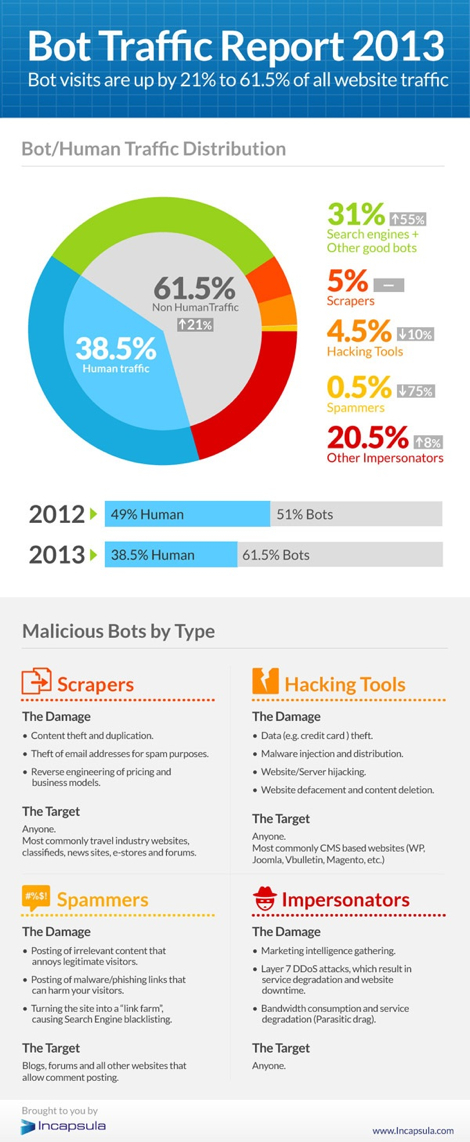
Το 61.5% των επισκέψεων στο Διαδίκτυο δεν προέρχεται από ανθρώπους!
Ubi!

Άτακτο iPhone!

...ΤΗΝ ΙΔΙΑ ΩΡΑ ΠΟΥ Η VDSL ΣΤΗΝ ΕΛΛΑΔΑ ΕΙΝΑΙ ΓΙΑ ΤΑ ΜΠΑΖΑ: Στην Ελλάδα κόμβος νέας υποθαλάσσιας ταχείας διαδρομής στο Διαδίκτυο!

Δεκαεπτά εταιρείες επικοινωνιών συνυπέγραψαν στις 27 Ιανουαρίου 2014 στο Χονγκ Κονγκ συμφωνία για την κατασκευή και τη συντήρηση ενός υποθαλάσσιου διεθνούς καλωδίου υπερ-υψηλών ταχυτήτων. Πρόκειται για το AAE-1 (Asia, Africa Europe-1) -ονομασία που μαρτυρά ότι ίσως ακολουθήσουν και άλλα- με τεχνολογία 100Gbps και συνολική χωρητικότητα 40Tbps.. Αυτό το υποθαλάσσιο καλώδιο δημιουργεί μια εναλλακτική διαδρομή στα υφιστάμενα υποθαλάσσια καλώδια που χαρακτηρίζονται υπερφορτωμένα, και μάλιστα χαμηλής καθυστέρησης (low latency).
Ανάμεσα στους 17, και ο Όμιλος ΟΤΕ μέσω της θυγατρικής του, ΟΤΕGLOBE. Στο έργο συμμετέχουν επίσης οι China Unicom (Κίνα), Chuan Wei (Καμπότζη), Djibouti Telecom (Τζιμπουτί), Etisalat (Ηνωμένα Αραβικά Εμιράτα), Mobily (Σαουδική Αραβία), Omantel (Ομάν), Ooredoo (Κατάρ), PCCW Global (Χόνγκ Κόνγκ), Pakistan Telecommunication Company Limited PTCL (Πακιστάν), Telecom Egypt (Αίγυπτος), TeleYemen (Υεμένη), TOT (Ταϊλάνδη), Viettel (Βιετνάμ) και άλλοι τρεις πάροχοι από άλλες χώρες που δεν κατονομάζονται.
Το AAE-1 θα έχει δύο εναλλακτικά σημεία παρουσίας (PoP) στην Ασία (στο Χονγκ Κονγκ και στην Σιγκαπούρη) και τρία εναλλακτικά σημεία διασύνδεσης στην Ευρώπη (μέσω Γαλλίας, Ιταλίας και Ελλάδας), και έτσι θα παρέχει εναλλακτικές επιλογές τόσο στα μέλη του consortium όσο και στους πελάτες τους.
Η υπογραφή της σύμβασης κατασκευής και συντήρησης σήμανε την έναρξη των εργασιών κατασκευής. Το νέο καλώδιο αναμένεται να ολοκληρωθεί το 2016. Με την ολοκλήρωση και εμπορική διάθεσή του, το ΑΑΕ-1 θα διασυνδέει πλέον το Χονγκ Κονγκ, το Βιετνάμ, την Καμπότζη, τη Μαλαισία, τη Σιγκαπούρη, την Ταϊλάνδη, την Ινδία, το Πακιστάν, το Ομάν, τα Ηνωμένα Αραβικά Εμιράτα, το Κατάρ, την Υεμένη, το Τζιμπουτί, τη Σαουδική Αραβία, την Αίγυπτο, την Ελλάδα, την Ιταλία και τη Γαλλία.
Το ΑΑΕ-1 χαρακτηρίζεται ως ένα από τα μεγαλύτερα υποθαλάσσια καλωδιακά συστήματα στον κόσμο, έκτασης περίπου 25.000 χιλιομέτρων και θα είναι από τα ελάχιστα που θα διασυνδέουν το Χονγκ Κονγκ και τη Σιγκαπούρη, με τη Μέση Ανατολή, την Αφρική και την Ευρώπη. Η κατασκευή του νέου καλωδίου αναμένεται να προκαλέσει ραγδαία ανάπτυξη στις συμμετέχουσες εταιρείες και χώρες, παρέχοντας ασφαλή, αξιόπιστη και ταχύτατη διασύνδεση.
Ξετρελλαμένη με το νέο της Mac!!!

Apple Software Update: Boot Camp Support Software 5.1.5621

DOWNLOAD
System Requirements for 5.1.5621 (non LynxPoint):
MacBook Air (11-inch & 13-inch, Mid 2011)
MacBook Air (11-inch & 13-inch, Mid 2012)
MacBook Pro (15-inch & 17-inch, Mid 2010)
MacBook Pro (13-inch, & 15-inch, Early 2011)
MacBook Pro (17-inch, Early 2011)
MacBook Pro (13-inch,15-inch & 17-inch Late 2011)
MacBook Pro (13-inch & 15-inch, Mid 2012)
MacBook Pro (Retina, Mid 2012)
MacBook Pro (Retina, 13-inch, Late 2012)
MacBook Pro (Retina, Early 2013)
MacBook Pro (Retina, 13-inch, Early 2013)
Mac Pro (Early 2009)
Mac Pro (Mid 2010)
Mac Pro (Mid 2012)
Mac Pro (Late 2013)
Mac mini (Mid 2011)
Mac mini (Late 2012)
iMac (27-inch, Quad Core, Late 2009)
iMac (21.5-inch & 27-inch, Mid 2010)
iMac (21.5-inch & 27-inch, Mid 2011)
iMac (21.5-inch, Late 2011)
iMac (21.5-inch & 27-inch, Late 2012)
This download contains the Windows Support Software (Windows Drivers) you need to support 64 bit versions of Windows 7 and Windows 8 on your Mac.
For more information on which operating systems are supported on different Mac systems, click here: http://support.apple.com/kb/HT5634
• The download file is a .zip file. Double click it to uncompress it, if it is not automatically uncompressed.
• Double-click the Boot Camp5 folder.
• Copy the entire contents of the .zip file to the root level of a USB flash drive or hard drive that is formatted with the FAT file system
• When running Windows, locate the Boot Camp folder on the USB media you created in Step 3 and double click to open it.
• Double click on setup to start installing the Boot Camp Support Software.
• When prompted to allow changes, click on Yes and follow the onscreen instructions.
• Installation can take a few minutes. Don't interrupt the installation process. When installation is complete, click Finish in the dialog that appears.
• A system restart dialog box appears. Click Yes to complete the installation.
For more information on Boot Camp, click here: www.apple.com/support/bootcamp
Note: If you are using one of the Macs listed below, you should download Boot Camp Support Software 5.1.5640 instead.
MacBook Air (11-inch, Mid 2013)
MacBook Air (13-inch, Mid 2013)
MacBook Pro (Retina, 13-inch, Late 2013)
MacBook Pro (Retina, 15-inch, Late 2013)
iMac (21.5-inch, Late 2013)
iMac (27-inch, Late 2013)
iMac (21.5-inch, Late 2013)
Apple Software Update: Boot Camp Support Software 5.1.5640
DOWNLOAD
System Requirements for 5.1.5640 (LynxPoint):
MacBook Air (11-inch & 13-inch, Mid 2013)
MacBook Pro (Retina, 13-inch & 15-inch, Late 2013)
iMac (21.5-inch & 27-inch, Late 2013)
This download contains the Windows Support Software (Windows Drivers) you need to support 64 bit versions of Windows 7 and Windows 8 on your Mac.
For more information on which operating systems are supported on different Mac systems, click here: http://support.apple.com/kb/HT5634
• The download file is a .zip file. Double click it to uncompress it, if it is not automatically uncompressed.
• Double-click the Boot Camp5 folder.
• Copy the entire contents of the .zip file to the root level of a USB flash drive or hard drive that is formatted with the FAT file system
• When running Windows, locate the Boot Camp folder on the USB media you created in Step 3 and double click to open it.
• Double click on setup to start installing the Boot Camp Support Software.
• When prompted to allow changes, click on Yes and follow the onscreen instructions.
• Installation can take a few minutes. Don't interrupt the installation process. When installation is complete, click Finish in the dialog that appears.
• A system restart dialog box appears. Click Yes to complete the installation.
For more information on Boot Camp, click here: www.apple.com/support/bootcamp
Note: If you are using one of the Macs listed below, you should download Boot Camp Support Software 5.1.5621 instead
▪ MacBook Air (11-inch & 13-inch, Mid 2011)
▪ MacBook Air (11-inch & 13-inch, Mid 2012)
▪ MacBook Pro (15-inch & 17-inch, Mid 2010)
▪ MacBook Pro (13-inch, & 15-inch, Early 2011)
▪ MacBook Pro (17-inch, Early 2011)
▪ MacBook Pro (13-inch,15-inch & 17-inch Late 2011)
▪ MacBook Pro (13-inch & 15-inch, Mid 2012)
▪ MacBook Pro (Retina, Mid 2012)
▪ MacBook Pro (Retina, 13-inch, Late 2012)
▪ MacBook Pro (Retina, Early 2013)
▪ MacBook Pro (Retina, 13-inch, Early 2013)
▪ Mac Pro (Early 2009)
▪ Mac Pro (Mid 2010)
▪ Mac Pro (Mid 2012)
▪ Mac Pro (Late 2013)
▪ Mac mini (Mid 2011)
▪ Mac mini (Late 2012)
▪ iMac (27-inch, Quad Core, Late 2009)
▪ iMac (21.5-inch & 27-inch, Mid 2010)
▪ iMac (21.5-inch & 27-inch, Mid 2011)
▪ iMac (21.5-inch, Late 2011)
▪ iMac (21.5-inch & 27-inch, Late 2012)
Apple Software Update: Epson Printer Drivers v2.16 for OS X

System Requirements
OS X Mountain Lion
OS X Lion
Mac OS X 10.6 or later
This update installs the latest software for your EPSON printer or scanner.
For more information about printing and scanning software, see http://support.apple.com/kb/HT3669#epson
Apple Software Update: AirPort Extreme and AirPort Time Capsule base stations Firmware 7.7.2

System Requirements
AirPort Extreme and AirPort Time Capsule base stations with 802.11ac
Firmware update 7.7.2 is for AirPort Extreme and AirPort Time Capsule base stations with 802.11ac.
This update:
▪ Addresses an issue that prevents a USB hard drive connected to an AirPort Extreme from appearing as an available disk in Time Machine
▪ Resolves an issue that may intermittently cause a loss in WAN connectivity
▪ Resolves an issue that may result in a network loop
All about AirPort Time Capsule, AirPort Extreme, and AirPort Express base station firmware updates http://support.apple.com/kb/HT1218
For more information on using AirPort products, go to the Product Support Page at: http://www.apple.com/support/airport/
Apple Software Update: ProApps QuickTime Codecs v1.0.4

DOWNLOAD
System Requirements
OS X 10.5.6 or later
QT 7.6 or later
This update adds the following video codecs for use by QuickTime-based applications:
▪ Apple Intermediate Codec
▪ Apple ProRes
▪ AVC-Intra
▪ DVCPRO HD
▪ HDV
▪ XDCAM HD / EX / HD422
▪ MPEG IMX
▪ Uncompressed 4:2:2
This update is recommended for all users of Final Cut Pro X, Motion 5, or Compressor 4.
Apple Software Update: Digital Camera RAW Compatibility Update 5.03
DOWNLOAD
System Requirements
OS X 10.8.5 w/ iPhoto 9.4.3 or Aperture 3
OS X 10.9 w/ iPhoto 9.4.3 or Aperture 3
This update adds RAW image compatibility for the following camera to Aperture 3 and iPhoto '11:
▪ Canon EOS M2
It also includes fixes that:
▪ Resolve an issue that prevented lens correction from working properly with Sony Cyber-shot DSC-RX100 images
▪ Address a color cast issue on some Olympus OM-D E-M1 images
For more information on supported RAW formats, see http://support.apple.com/kb/HT5955.
Apple Software Update: Digital Camera RAW Compatibility Update 5.02
DOWNLOAD
System Requirements
Mac OS X 10.8.5 or later
Mac OS X 10.9 or later
Digital Camera RAW Compatibility Update 5.02
This update adds RAW image compatibility for the following cameras to Aperture 3 and iPhoto ’11:
▪ Nikon D5300
▪ Nikon Df
▪ Olympus OM-D E-M1
▪ Sony Alpha 7
▪ Sony Alpha 7R
For more information on supported RAW formats, see http://support.apple.com/kb/HT5955
Apple Software Update: VPN Update for Mavericks Server

DOWNLOAD
System Requirements
OS X Mavericks 10.9.1
This update fixes an issue that could prevent L2TP VPN connections from working with OS X Server, as described in http://support.apple.com/kb/TS5313
This update requires OS X Mavericks 10.9.1 and Server 3.0.1.
Note: the update will only install if you have already launched Server app and used it to set up services.
Apple Software Update: Mac Pro EFI Firmware Update 2.0

DOWNLOAD
System Requirements
OS X 10.9 or later
EFI requirement:
EFI 0116 (MP61.88Z.0116.B00.1311020956)
EFI 0116.02 (MP61.88Z.0116.B02.1311222014)
Model Property requirement: MacPro6,1
Mac Pro EFI Firmware Update v2.0
This update is recommended for all Mac Pro (Late 2013) models.
This update improves system reliability during reboot, resolves an issue with memory self-test, and improves graphics power management when using Boot Camp.
Apple Software Update: Apple Remote Desktop 3.7.1 Client
DOWNLOAD
System Requirements
▪ OS X 10.7
▪ OS X 10.8
▪ OS X 10.9
The 3.7.1 update is recommended for all Apple Remote Desktop clients and addresses several issues related to overall reliability, usability and compatibility.
For detailed information on this update, please visit this website: http://support.apple.com/kb/HT6045
Apple Software Update: Apple Remote Desktop 3.7.1 Admin
DOWNLOAD
System Requirements
▪ OS X 10.7
▪ OS X 10.8
▪ OS X 10.9
The 3.7.1 update is recommended for Apple Remote Desktop users and addresses several issues related to overall reliability, usability and compatibility. This update also provides:
- Support for OS X Mavericks
- Automatic copy and paste between local and remote computers
- Improved support for Mac systems with multiple displays and multiple IP addresses
- Enhanced multi-observe with gesture support for swiping between screens
- Improves overall reliability of the Remote Desktop application and screen sharing sessions
For detailed information on this update, please visit this website: http://support.apple.com/kb/HT6045
Apple Software Update: Pro Apps Uncompressed 4:2:2 Codec v1.0.2
DOWNLOAD
System Requirements
OS X 10.9+
This update enables viewing of uncompressed 8-bit and 10-bit 4:2:2 video in newer video applications on OS X Mavericks.
Apple Software Update: Apple Remote Desktop Dashboard Widget v3.7
DOWNLOAD
System Requirements:
Requires a licensed copy of Apple Remote Desktop to be installed on your Mac.
OS X v10.7 or later
The Apple Remote Desktop Dashboard widget* gives you an instant, at-a-glance view of the remote computers in your network.
It’s fully integrated with the Apple Remote Desktop administrative application, so a click on a particular computer will allow you to select and start working with any computer in the system.
* Requires a licensed copy of Apple Remote Desktop to be installed on your Mac.

MacBook - MacBook Pro Retina Display - MacBook Air - PowerBook - iBook - Mac Pro - iMac - iMac Retina 5K Display - iMac Pro - Mac Mini - Xserve - Server - Power Mac - PowerBook - eMac - iPhone X - iPhone 8 Plus - iPhone 8 - iPhone 7Plus - iPhone 7 - iPhone SE - iPhone 6s Plus - iPhone 6s - iPhone 6 Plus - iPhone 6 - iPhone 5S - iPhone 5 - iPhone 4S - iPhone 3GS - iPhone 3G - iPad - iPad Mini - iPad Air - iPad Pro - 5G - 4G - 3G - WiFi - iPod - Apple Watch - Apple TV - Intel Core i7 - Intel Core i5 - Intel Core i3 - Intel Xeon - Intel Core 2 Duo - G5 - G4 - G3 - 12" - 13" - 14" - 15" - 17" - 20" - 21" - 24" - 27" - macOS Server - Mac OS X Server - Mojave 10.14 - High Sierra 10.13 - Sierra 10.12 - El Capitan 10.11 - Yosemite 10.10 - Mavericks 10.9 - Mountain Lion 10.8 - Lion 10.7 - Snow Leopard 10.6 - Leopard 10.5 - Tiger 10.4 - Panther 10.3 - Mac OS 9 - iOS - App Store - iTunes - iCloud - Facetime - iCal - iChat - iSync - Mail - Safari - Time Machine Backup - Quicktime - iLife - iPhoto - iMovie - iDVD - GarageBand - iWork - Pages - Keynote - Numbers - Final Cut Pro X - Final Cut Studio - Logic Pro - Aperture - LCD - Ram - Hard Disk - SSD - Hybrid - Fusion
This web site is not affiliated with Apple Inc.Αττική - Αθήνα - Θεσσαλονίκη - Πελλοπόνησος - Επτάνησα - Κυκλάδες - Δωδεκάνησα - Κρήτη
Apple Mac Support Net is not an Apple Authorised Service Provider. We provide Independent Technical Support and Service for Apple Mac Computers.
Apple, Mac, iPhone, iPad, iPod, Apple Logo and Mac Logo are registered trademarks of Apple Inc., registered in the U.S. and other countries.
All Copyrights, Logos, Trademarks and Intelectual Properties in this website are property of their respective owner.
All the rest ©2000- Apple Μac Support Net.