
Apple Mac Support Net
Ανεξάρτητη Τεχνική Υποστήριξη και Service για τα Apple
Mac
7 Ημέρες την Εβδομάδα
10:00-20:00 > 6932 46 96
56
-


-
Αγορά Πληροφορικής
Αγορά Τηλεπικοινωνιών
Adobe
AirPort
Amazon
AMD
Αναπαραγωγή Ήχου & Μουσικής
Αναπαραγωγή Video
Android
Αντίγραφα Ασφαλείας & Συγχρονισμός Δεδομένων
Αντιμετώπιση Ψηφιακών Ιών (Antivirus)
Aperture
Απόψεις & Γνώμες
Apple
Apple App Store
Apple Events
Apple Exchange and Repair Extension Programs
Apple Keynote
Apple PencilApple QmasterApple Remote Desktop
Apple Stores
Apple TV
Apple VS Microsoft
Apple Watch
Αρχειοθέτηση & Βάσεις Δεδομένων
Ασύρματα & Ενσύρματα Δίκτυα
Αστρονομία
Asus
Backup
Bill Gates
Blackberry
Boot Camp
Brother
Γονική Μέριμνα & Γονική Επίβλεψη
Γραφικές Τέχνες
Canon
Cinema Display
Cinema ToolsColorCompressor
Computer Virus
CosmoteCSS
Διαδίκτυο (Internet)
Διασκέδαση & Ψυχαγωγία (Fun)
Διαφημίσεις
Διαχείριση Διακομιστών (Servers Administration)
Δικαιώματα Καταναλωτών
Δωρεάν Λογισμικό (Freeware)
DSL
DVD Studio ProeBayΕγγύηση/Εγγυήσεις Προϊόντων
EFI Updates
Εκπαιδευτικό Λογισμικό
Εκτυπώσεις
Ελληνική Νομοθεσία
Επεξεργασία Κειμένου & Ηλεκτρονική Σελιδοποίηση
Εργαλεία Συστήματος (System Tools)
Έρευνα & Ανάπτυξη
Epson
Ευρωπαϊκή Ένωση
Ευρωπαϊκή Νομοθεσία
Facebook
Final Cut Express
Final Cut Pro
Final Cut ServerFinal Cut StudioFireWire 400FireWire 800Firmware Updates
Fujifilm
Fusion DriveHacktivism
Ηλεκτρονικές Συναλλαγές
Θετικές Επιστήμες
Garage BandGestetner
Google
Hacking
Hewlett Packard
Hitachi
HTML
HTML5
Ιατρική & Φαρμακολογία
IBM
iBook
iCloud
iDVDiLife
iMac
iMac ProiMac Retina Display
iMovie
Intel
Intel Core 2 DuoIntel Core i3Intel Core i5Intel Core i7Intel XeoniOS 12iOS 11iOS 10iOS 9iOS 8
iOS 7
iOS 6
iOS 5
iOS 4
iOS 3
iOS 2
iOS 1
iOS
iPad Air
iPad Air 2
iPad Mini
iPad Mini 2iPad Mini 3
iPad Mini 4iPad Mini Retina Display
iPad New
iPad ProiPad Retina Display
iPad Retina Display New
iPad 2
iPad
iPhone XiPhone 8 PlusiPhone 8iPhone 7 PlusiPhone 7iPhone SEiPhone 6s PlusiPhone 6siPhone 6 Plus
iPhone 6
iPhone 5s
iPhone 5c
iPhone 5
iPhone 4S
iPhone 4
iPhone 3GS
iPhone 3G
iPhone 2G
iPhone
iPhoto
iPod
iPod Classic
iPod Nano
iPod Shuffle
iPod Touch
iTunes
iWebiWork
Java
JavaScript
Keynote
Κινητή Τηλεφωνιά
Κοινωνικά Δίκτυα (Social Networks)
Λειτουργικά Συστήματα
Lexmark
LinkedIn
Linux
LiveTypeLogic
Λογισμικό (Software)
Λογισμικό Mac (Mac Software)
Mac
Mac Mini
macOS Mojave 10.14macOS High Sierra 10.13
macOS Sierra 10.12
macOS
macOS ServerMac OS X El Capitan 10.11
Mac OS X Yosemite 10.10
Mac OS X Yosemite Server 10.10
Mac OS X Mavericks 10.9
Mac OS X Mavericks Server 10.9
Mac OS X Mountain Lion 10.8
Mac OS X Mountain Lion Server 10.8
Mac OS X Lion 10.7
Mac OS X Lion Server 10.7
Mac OS X Snow Leopard 10.6
Mac OS X Snow Leopard Server 10.6
Mac OS X Leopard 10.5
Mac OS X Leopard Server 10.5
Mac OS X Tiger 10.4
Mac OS X Tiger Server 10.4
Mac OS X Panther 10.3
Mac OS X Panther Server 10.3
Mac OS X Jaguar 10.2Mac OS X Jaguar Server 10.2Mac OS X Puma 10.1Mac OS X Puma Server 10.1Mac OS X Cheetah 10.0Mac OS X Cheetah Server 10.0Mac OS X
Mac OS X Server
Mac OS 9
Mac OS 8Mac OS 7Mac OS 6Mac Pro
Mac Support Net
Mac VS Linux
Mac VS Windows
MacBook
MacBook Air
MacBook Pro
MacBook Pro Retina Display
Μετεωρολογία & Πρόγνωση Καιρού
Microsoft
Microsoft Office
Microsoft Windows 8
Microsoft Windows 7
Microsoft Windows Vista
Microsoft Windows XP
Microsoft Windows Mobile
Microsoft Windows Server
Microsoft Windows
Motion
MP3
Νέα Προϊόντα Apple
Νέα Προϊόντα Πληροφορικής
Νέες Τεχνολογίες
Nikon
Νομικά Θέματα
Numbers
Οικολογία
Οικονομία & Λογιστική
Online Applications
Online Games
Οργάνωση & Διαχείριση Πληροφοριών
Οργάνωση & Διαχείριση Χρόνου
Pages
Παιχνίδια Mac (Mac Games)
Παιχνίδια Δράσης (Arcade)
Παιχνίδια Ρόλων (Role Playing)
Παιχνίδια Εξομοίωσης (Simulation)
Παιχνίδια Επιτραπέζια (Board)
Παιχνίδια Καταστροφής (Shoot 'Em Up)
Παιχνίδια Μηχανοκίνητων Αγώνων (Racing)
Παιχνίδια Περιπέτειας (Adventure)
Παιχνίδια Πολέμου (War Games)
Παιχνίδια Στρατηγικής (Strategy)
Παραγωγή & Επεξεργασία Γραφικών
Παραγωγή & Επεξεργασία Εικόνας
Παραγωγή & Επεξεργασία Ήχου
Παραγωγή & Επεξεργασία Ιστοσελίδων
Παραγωγή & Επεξεργασία Μουσικής
Παραγωγή & Επεξεργασία Παρουσιάσεων
Παραγωγή & Επεξεργασία Σχεδίου
Παραγωγή & Επεξεργασία Τρισδιάστατου Σχεδίου 3D-CAD
Παραγωγή & Επεξεργασία Τρισδιάστατων Γραφικών 3D-CAD
Παραγωγή & Επεξεργασία Φωτογραφίας
Παραγωγή & Επεξεργασία Video
Πολυμέσα (Multimedia)
Προγραμματισμός & Ανάπτυξη Λογισμικού
Προσωπικά Δεδομένα
Πρόταση Αγοράς
Πρόταση Δοκιμής
Panasonic
PayPal
Peer To Peer File Sharing (P2P)
Pentax
PlayStation
PowerBook
Quicktime
Σκληροί Δίσκοι
Σκληροί Δίσκοι > SSD
Σκληροί Δίσκοι > ΥβριδικοίSafari
Samsung
SanDisk
Seagate
SEO - Search Engine Optimization
Servers
ShakeSMC Update
Sony
Soundtrack ProSteve Jobs
TDK
Τεχνική Υποστήριξη Apple Mac
Τεχνική Υποστήριξη Mac
Τεχνολογίες Cloud
Tim Cook
Time Capsule
Time Capsule Alternative
Time Machine
Time Machine Server Pro
Thunderbolt
Torrents
Toshiba
Twitter
Υλικό (Hardware)
YouTube
Υποστήριξη Mac
Υποστήριξη Πελατών Apple
Υποστήριξη Χρηστών Mac
Υποστήριξη Apple Mac > Βοήθεια (Tips & Tricks)
Υποστήριξη Apple Mac > Επίλυση Προβλημάτων
Υποστήριξη Apple Mac > Mac OS Updates - Αναβαθμίσεις Λειτουργικού Συστήματος
Υποστήριξη Apple Mac > Software Updates - Αναβαθμίσεις Λογισμικού
Υποστήριξη Apple Mac > Τεχνικές Συμβουλές
Υποστήριξη Apple Mac > Τεχνική Βοήθεια
Υποστήριξη Mojave 10.14Υποστήριξη High Sierra 10.13Υποστήριξη Sierra 10.12Υποστήριξη macOS ServerΥποστήριξη El Capitan 10.11Υποστήριξη El Capitan Server 10.11Υποστήριξη Yosemite 10.10
Υποστήριξη Yosemite Server 10.10
Υποστήριξη Mavericks 10.9
Υποστήριξη Mavericks Server 10.9
Υποστήριξη Mountain Lion 10.8
Υποστήριξη Mountain Lion Server 10.8
Υποστήριξη Lion 10.7
Υποστήριξη Lion Server 10.7
Υποστήριξη Snow Leopard 10.6
Υποστήριξη Snow Leopard Server 10.6
Υποστήριξη Leopard 10.5
Υποστήριξη Leopard Server 10.5
Υποστήριξη Tiger 10.4Υποστήριξη Tiger Server 10.4Υποστήριξη Panther 10.3Υποστήριξη Panther Server 10.3Υποστήριξη Jaguar 10.2Υποστήριξη Jaguar Server 10.2Υποστήριξη Puma 10.1Υποστήριξη Puma Server 10.1Υποστήριξη Cheetah 10.0Υποστήριξη Cheetah Server 10.0Υποστήριξη Mac OS X
Υποστήριξη Mac OS X Server
Υποστήριξη Mac OS 9Υποστήριξη Mac OS 8Υποστήριξη Mac OS 7Υποστήριξη Mac OS 6Φανατικοί Χρήστες Προϊόντων Apple
Ψηφιακή Ασφάλεια
Unix
USB
USB 2.0USB 3.0
VDSL
Vodafone
VoIP
VPN
WebObjectsWestern Digital
WINDWi-Fi
X11
Xerox
XsanΙαν 2015
Δεκ 2014
Νοε 2014
Οκτ 2014
Ιουλ 2014
Μαϊ 2014
Απρ 2014
Μαρ 2014
Φεβ 2014
Ιαν 2014
Νοε 2013
Οκτ 2013
Ιουν 2013
Φεβ 2013
Ιαν 2013
Δεκ 2012
Νοε 2012
Οκτ 2012
Σεπ 2012
Ιουλ 2012
Ιουν 2012
Μαϊ 2012
Απρ 2012
Μαρ 2012
Φεβ 2012
Ιαν 2012
Δεκ 2011
Νοε 2011
Οκτ 2011
Σεπ 2011
Αυγ 2011
Ιουλ 2011
Ιουν 2011
Μαϊ 2011
Απρ 2011
Μαρ 2011
Φεβ 2011
Ιαν 2011
Δεκ 2010
Νοε 2010
Οκτ 2010
Σεπ 2010
Ιουν 2013


Μελλοντικώς κατάποση χαπιών για το ξεκλείδωμα του smartphone σου;(!)
29 Ιουνίου 2013 22:22 ::
Αγορά Πληροφορικής |
Αγορά Τηλεπικοινωνιών |
Προσωπικά Δεδομένα |
Δικαιώματα Καταναλωτών |
Νέα Προϊόντα Πληροφορικής |
Νέες Τεχνολογίες |
Νομικά Θέματα

Κάτι που για πρώτη φορά ακούσαμε από τη Regina Dugan της Motorola έρχεται τώρα να επιβεβαιώσει η Proteus Digital Health η οποία αναπτύσσει χάπια που περιέχουν ένα μικροσκοπικoύς αισθητήρες που σου επιτρέπουν να ξεκλειδώνεις το smartphone σου με ένα άγγιγμα.
Το χάπι έχει λάβει από πέρυσι την έγκριση της FDA, περιέχει μόνο μαγνήσιο και χαλκό και δε διαθέτει μπαταρία αλλά τροφοδοτείται από τα οξέα του σώματος.
Ένα δεύτερο χάπι παρασκευάζεται από την HQ και ακούει στο όνομα CorTemp Ingestible Core Body Temperature Sensor με βασική διαφορά ότι διαθέτει ενσωματωμένη μπαταρία και μεταφέρει ασύρματα και σε πραγματικό χρόνο πληροφορίες για την θερμοκρασία σώματος του χρήστη καθώς ταξιδεύει μέσω του πεπτικού σωλήνα.
Το CorTemp έχει χρησιμοποιηθεί σε επαγγελματίες ποδοσφαιριστές, στρατιώτες και αστροναύτες για την παρακολούθηση της θερμοκρασίας τους σε αγώνες και αποστολές.
Δυστυχώς η δράση των “μαγικών” χαπιών κρατά μόλις 24 ώρες κάτι που αυτομάτως καταργεί την ευκολία που θα προσέφεραν στην καθημερινότητά μας (ξεκλείδωμα smartphones, υπολογιστών, αυτοκινήτου, σπιτιού μόνο με το σώμα μας), ενώ και η τιμή τους για την ώρα ($46) είναι απαγορευτική.
Έλα Αλέκο!!! Το ανέκδοτο με την Ηλεκτρονική Διακυβέρνηση το ξέρεις;;;!!! Χαχαχαχαχαχα!!!

Το Greek ICT Forum, η θεσμικά αναγνωρισμένη Διοργάνωση στους τομείς της Πληροφορικής και των Ψηφιακών Υποδομών Επικοινωνιών και μπροστά σε καθοριστικές συγκυρίες για την πορεία του Κλάδου των ΤΠΕ στην Ελλάδα διοργανώνει την Πέμπτη 4 Ιουλίου 2013 στο Αμφιθέατρο του Χαροκόπειου Πανεπιστημίου (Ελ. Βενιζέλου 70, Καλλιθέα) από τις 09:00 - 17:00, την 3η ετήσια συνάντηση των πολιτικών, θεσμικών, επιχειρηματικών και στελεχιακών παραγόντων με βασικό θεματικό άξονα:
"Ηλεκτρονική Διακυβέρνηση: Ξεπερνώντας τα @διέξοδα της Γραφειοκρατίας και της @δράνειας"
Η πρωτοβουλία του Greek ICT Forum έχει εξελιχθεί σε ένα νέο διακριτό Συνέδριο με στόχο να αποτελέσει βήμα ανταλλαγής απόψεων και προτάσεων από όλους τους πολιτικούς, θεσμικούς και επαγγελματικούς Φορείς ως το «σημείο αναφοράς» στον χώρο της Ηλεκτρονικής Διακυβέρνησης και έχει πετύχει να συνθέσει τις πολιτικές, θεσμικές, τεχνολογικές, διαχειριστικές και επιχειρηματικές διαστάσεις του μεγάλου τομέα στον οποίο στηρίζεται μεγάλο μέρος της προσπάθειας εκσυγχρονισμού της χώρας.
Η διοργάνωση του 3ου e-Government Forum έρχεται λίγο μετά την ανακοίνωση της Στρατηγικής για την Ηλεκτρονική Διακυβέρνηση από το αρμόδιο Υπουργείο Διοικητικής Μεταρρύθμισης, και θεσμική αιγίδα των Υπουργείων Διοικητικής Μεταρρύθμισης και Ηλεκτρονικής Διακυβέρνησης, Ανάπτυξης, Ανταγωνιστικότητας, Υποδομών, Μεταφορών και Δικτύων, επίσης με την αιγίδα των Γενικών Γραμματειών Εσόδων και Πληροφοριακών Συστημάτων, Δημόσιας Διοίκησης και Ηλεκτρονικής Διακυβέρνησης, Τηλεπικοινωνιών και Ταχυδρομείων δείχνει το μεγάλο ενδιαφέρον για την θεματολογία και τους στόχους του Συνεδρίου.
Όπως και στην προηγούμενη συνάντηση e-Government στη συνάντηση, αναμένεται να προσελκύσει μεγάλο ενδιαφέρον, έχουν κληθεί και συμμετέχουν πολιτικοί, θεσμικοί και επαγγελματικοί παράγοντες από όλους τους τομείς των ΤΠΕ.
254.158 Android εφαρμογές περιέχουν κακόβουλο λογισμικό!
29 Ιουνίου 2013 22:15 ::
Αγορά Πληροφορικής |
Αγορά Τηλεπικοινωνιών | Android
|
Διαδίκτυο (Internet) |
Ψηφιακή Ασφάλεια

Σύμφωνα με έρευνα της εταιρείας ασφαλείας Juniper, 267.259 mobile εφαρμογές κρύβουν κακόβουλο λογισμικό που είτε ενεργοποιεί SMS trojans, είτε εκμεταλλεύεται κενά ασφαλείας ή ακόμα χειρότερα υποκλέπτει προσωπικά δεδομένα.
Από αυτές το 92% είναι εφαρμογές για Android φιλοξενούμενες σε περισσότερα από 500 ανεπίσημα app stores σε όλο τον κόσμο.
Η εταιρεία ανέλυσε 1.85 εκατομμύρια εφαρμογές για smartphones και tablets και όπως μας ενημερώνει το mobile malware μέσα σε μόλις μία χρονιά αυξήθηκε κατά 614%.
To 73% αυτών βρέθηκε να είναι FakeInstallers ή SMS trojans που ενώ εμφανίζονταν ως αθώες εφαρμογές είχαν crackαριστεί και περιείχαν κακόβουλο υλικό.
Αντίθετα, ο αριθμός malware που εντοπίστηκε σε iOS εφαρμογές ήταν πολύ μικρότερος εξαιτίας του αυστηρού ελέγχου που ασκεί η Apple σε καθεμία από αυτές πριν εισέλθει στο κατάστημά της.
Αλλά και στο Google Play οι περισσότερες εφαρμογές είναι ασφαλείς οπότε οι χρήστες που κατεβάζουν μόνο από εκεί δεν συντρέχουν σοβαρό λόγο ανησυχίας.

Apple Software Update: Canon Inkjet Printer Drivers v2.12 for OS X
29 Ιουνίου 2013 21:30 ::
Υποστήριξη Apple Mac > Software Updates -
Αναβαθμίσεις Λογισμικού |
Υποστήριξη Apple Mac > Επίλυση
Προβλημάτων |
Υποστήριξη Apple Mac > Τεχνική
Βοήθεια | Canon |
Εκτυπώσεις |
Υποστήριξη Πελατών Apple |
Υποστήριξη Χρηστών Mac |
Υποστήριξη Mac OS X |
Υποστήριξη Mac |
Υποστήριξη Mountain Lion 10.8
|
Υποστήριξη Lion 10.7 |
Υποστήριξη Snow Leopard 10.6
|
Υποστήριξη Snow Leopard Server 10.6
| Mac OS
X Mountain Lion 10.8 | Mac OS X Lion
10.7 |
Mac
OS X Snow Leopard Server 10.6
| Mac OS X
Snow Leopard 10.6 | Mac | Mac OS X

DOWNLOAD
Version: 2.12
Post Date: Jun 27, 2013
Download ID: DL899
File Size: 200.46 MB
System Requirements
OS X Mountain Lion
Mac OS X 10.6.1 or later
OS X Lion or later
About Canon Inkjet Printer Drivers v2.12 for OS X
This update installs the latest software for your Canon Inkjet printer or scanner.
For information about supported printer models, see: http://support.apple.com/kb/HT3669#canon-inkjet
Apple Software Update: Digital Camera RAW Compatibility Update 4.07
29 Ιουνίου 2013 21:27 ::
Υποστήριξη Apple Mac > Software Updates -
Αναβαθμίσεις Λογισμικού |
Υποστήριξη Apple Mac > Επίλυση
Προβλημάτων |
Υποστήριξη Apple Mac > Τεχνική
Βοήθεια | Aperture
| iPhoto
|
Υποστήριξη Πελατών Apple |
Υποστήριξη Χρηστών Mac |
Υποστήριξη Mac OS X |
Υποστήριξη Mac |
Υποστήριξη Mountain Lion 10.8
|
Υποστήριξη Lion 10.7 | Mac OS
X Mountain Lion 10.8 | Mac OS X Lion
10.7 |
Παραγωγή & Επεξεργασία Φωτογραφίας
|
Παραγωγή & Επεξεργασία Εικόνας
| Mac OS X
| Mac

DOWNLOAD
Version: 4.07
Post Date: Jun 27, 2013
Download ID: DL1666
File Size: 6.11 MB
System Requirements
OS X 10.8.2 or later
OS X 10.7.5 or later
About Digital Camera RAW Compatibility Update 4.07
Digital Camera RAW Compatibility Update 4.07
This update adds RAW image compatibility for the following cameras to Aperture 3 and iPhoto '11:
Panasonic LUMIX DMC-G6
Panasonic LUMIX DMC-GF6
Sony Alpha SLT-A58
For more information on supported RAW formats, see http://support.apple.com/kb/HT5371
Apple COMPLETE "Get a Mac" ad campaign compilation (with Bonus ads)!
27 Ιουνίου 2013 17:50 ::
Διασκέδαση & Ψυχαγωγία (Fun)
|
Φανατικοί Χρήστες Προϊόντων Apple
| Apple | Mac | Microsoft
Windows | Mac VS
Windows
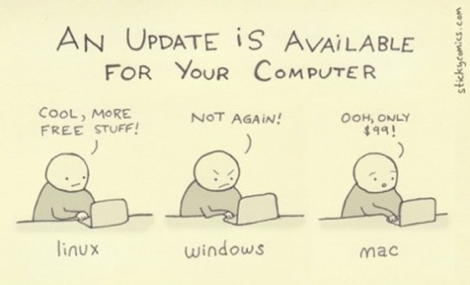
Αναβαθμίσεις Λογισμικού!
25 Ιουνίου 2013 17:06 ::
Διασκέδαση & Ψυχαγωγία (Fun)
|
Αγορά Πληροφορικής | Mac | Microsoft
Windows | Linux
Η τεχνολογία στην υπηρεσία των αγροτών!
25 Ιουνίου 2013 09:57 ::
Φανατικοί Χρήστες Προϊόντων Apple
|
Διασκέδαση & Ψυχαγωγία (Fun)

Apple’s Commitment to Customer Privacy

Two weeks ago, when technology companies were accused of indiscriminately sharing customer data with government agencies, Apple issued a clear response: We first heard of the government’s “Prism” program when news organizations asked us about it on June 6. We do not provide any government agency with direct access to our servers, and any government agency requesting customer content must get a court order.
Like several other companies, we have asked the U.S. government for permission to report how many requests we receive related to national security and how we handle them. We have been authorized to share some of that data, and we are providing it here in the interest of transparency.
From December 1, 2012 to May 31, 2013, Apple received between 4,000 and 5,000 requests from U.S. law enforcement for customer data. Between 9,000 and 10,000 accounts or devices were specified in those requests, which came from federal, state and local authorities and included both criminal investigations and national security matters. The most common form of request comes from police investigating robberies and other crimes, searching for missing children, trying to locate a patient with Alzheimer’s disease, or hoping to prevent a suicide.
Regardless of the circumstances, our Legal team conducts an evaluation of each request and, only if appropriate, we retrieve and deliver the narrowest possible set of information to the authorities. In fact, from time to time when we see inconsistencies or inaccuracies in a request, we will refuse to fulfill it.
Apple has always placed a priority on protecting our customers’ personal data, and we don’t collect or maintain a mountain of personal details about our customers in the first place. There are certain categories of information which we do not provide to law enforcement or any other group because we choose not to retain it.
For example, conversations which take place over iMessage and FaceTime are protected by end-to-end encryption so no one but the sender and receiver can see or read them. Apple cannot decrypt that data. Similarly, we do not store data related to customers’ location, Map searches or Siri requests in any identifiable form.
We will continue to work hard to strike the right balance between fulfilling our legal responsibilities and protecting our customers’ privacy as they expect and deserve.
http://www.apple.com/apples-commitment-to-customer-privacy/
Apple's Privacy Record Sucks. Here's Why You Should Care!

Apple's user-privacy standards are abysmal compared to its peers, and so is its refusal to explain them. Maybe you don't care. Here's why you should.
AThe next time you're thinking about buying a new smartphone, there's one more spec you might want to consider. If the FBI or the IRS wants to read your texts, will Apple hand them over? Would it require the feds to get a warrant first? And would it even bother to let you know that federal agents made the request in the first place?
If you're looking at a shiny new iPhone, the answers are not comforting.
The Electronic Frontier Foundation's latest digital privacy report, Who's Got Your Back?, awards Apple its secondthe Electronic Frontier Foundation gives Apple a paltry one out of six stars. While Apple got credit for supporting efforts to defend users by modernizing electronic privacy laws, its apparent willingness to hand over your personal information to the government without a warrant and its failure to tell its users how it handles such requests put it in the dock.
Worse Than Comcast: Apple's Privacy Black Box
Apple came off much, much worse than most of its peers — here defined as major non-ISP mobile-computing players. Apple fared worse than Amazon (two stars), Facebook (three), Microsoft (four) and Google (five). Even Comcast, the cable conglomerate consumers love to hate, scored one star higher than Apple.
The EFF chides Apple for not publishing a transparency report as companies like Google and Twitter do. Without that, users have no idea what kinds of information the government asks for, because Apple won't tell them, nor does it let them know what its guidelines are for dealing with law enforcement data requests.
(See also: EFF: Twitter Scores, Verizon Fails At Protecting User Privacy)
Apple certainly wasn't the worst-ranked company overall. The major telcos and ISPs almost always get raked over coals on privacy. In this report, Verizon got no stars, while AT&T racked up a grand total of one. MySpace also got no stars and Yahoo only got one. Amazon's showing is also pretty disappointing, especially considering its vast storehouse of consumer-purchase data and its rumored plans to enter the smartphone market.
But Apple dominates mobile computing in a way few other companies do. And as the proprietor of a mobile operating system that runs on more than half a billion devices, Apple has its hands on a lot of data. Its approach to privacy matters to an awful lot of people — and its lousy performance is a big deal considering how deeply its devices are embedded into our lives.
That integration is only getting deeper as Apple prototypes wearable devices and dreams up more screens to dominate.
Not Just A Computer Company Anymore
It's not all together shocking that Apple has some catching up to do in the privacy realm. Until recently, it didn't deal with all that much information about its customers. For most of its history, the company was called Apple Computer, because that's what it sold: computers.
In the early days, the only way for the government to snoop through your MacIntosh was to get a warrant to search your apartment. Today's Apple's computers are smaller, constantly connected to the Internet and, increasingly reliant on iCloud to sync and share data across devices.
Whereas Google has been handling (and profiting from) user data since day one, Apple is only just getting started. If you use iCloud, its servers house your calendars, email, photos, notes and any other data you choose to feed it. If you're using iOS 5 or higher, you're also entrusting Apple with whatever percentage of your personal text messages go through its iMessage protocol.
To its credit, Apple built iMessage using end-to-end encryption that makes its harder for others to snoop on the contents of messages. Of course, if the FBI — or the local cops — really want to know what you're iMessaging back and forth, they can go directly to Apple, with or without a warrant.
Of course, if the texts in question aren't iMessages, the authorities could just do what they've always done: Ask the mobile data provider to see them. Such requests have seen a dramatic uptick in recent years, and the major ISPs don't approach them with the same level of transparency that a company like Twitter or Sonic.net would.
Why Consumers Should Care
Apple has never been lauded for having a forward-thinking and open approach to user privacy issues. That hasn't stopped millions of people from trying to predict the company's next gadget and then eagerly standing in line to purchase it.
Part of that may have to do with awareness. Digital privacy reports excite a certain breed of data nerd (OK, guilty as charged), but they don't approach the media attention lavished on Apple product announcements. Nor is the EFF's chart plastered all over billboards, bus stops and television sets.
Even for those of you who already knew that Apple doesn't treat your privacy with kid gloves, the risk of the government peeking into law-abiding texts and calendars is too remote to worry about. To some, this is just a side effect of the hyper-connected, digitally-immersed society we're becoming. Even if they don't particularly like it, it's just not their battle to fight.
Trouble is, that sort of complacency puts no pressure on Apple to get more proactive about keeping your digital life safe from prying eyes.
If you fall in this category, you might still luck out, of course. Even if there's some major privacy gaffe down the line, it might not affect you. And if you're fortunate, IRS agents aren't currently reading your Apple email or iMessages, looking for possible evidence of tax evasion.
But given Apple's current practices in this regard, if they are, you'd never know. Maybe ignorance really is bliss.
Πηγή: readwrite
Berlin court: Apple's privacy policy violates German data protection law!
25 Ιουνίου 2013 01:28 :: Apple |
Νομικά Θέματα |
Προσωπικά Δεδομένα |
Δικαιώματα Καταναλωτών |
Ευρωπαϊκή Νομοθεσία |
Ευρωπαϊκή Ένωση

Apple violates German data protection law by asking for users’ broad, overall consent in its privacy policy, the Regional Court of Berlin ruled.
Apple’s terms for sharing personal information with the company are too broadly formulated, the court ruled on April 30, according to a verdict published by the Federation of German Consumer Organisations (VZBV) on Tuesday.
The VZBV demanded in 2011 that Apple Sales International should stop using unfair contractual clauses in its privacy policy as posted on its German website, said Helke Heidemann-Peuser, a lawyer and head of the VZBV’s legal enforcement section. After this warning, Apple committed to change five of those clauses, but this was not enough, which is why the VZBV decided to sue Apple in February 2012, she said.
After Apple was sued, the company committed to change two more clauses, after which the lawsuit continued over the eight remaining disputed clauses, said Heidemann-Peuser. The court found that Apple violates the law with all those clauses, she added.
In its German privacy policy, which is similar to the one used in the U.S., Apple states for instance that when someone contacts Apple and its affiliates, they may share information about that person with each other. Apple also states that this information may be combined with other information to provide and improve products, services, content and advertising.
This clause violates the law because customers are unaware which data is used and to what extend, the court ruled, according to the VZBV.
Another problematic clause gives Apple the right to collect the information someone provides about friends and family such as name, mailing address, email address and phone number when someone sends a gift certificate or products or invites others to join a user on an Apple forum, Heidemann-Peuser said. This is illegal because Apple would need consent from the third party to process this data, she said.
Apple also states that it may collect, use and share precise location data, including the real-time geographic location of a users’ Apple computer or device, in order to provide location based services like advertising on Apple products. The data, as collected, is anonymous, according to Apple’s policy. However, when location-based services are used, the data can always be traced back to an individual, according to the court, so this clause was also prohibited.
Apple now needs to change these clauses, said Heidemann-Peuser. “They need to be very specific,” she said, adding that Apple needs to ask for users’ explicit consent instead of letting them agree to an overly broad privacy policy.
However, the company does not need to do so immediately because Apple can appeal the verdict, which the VZBV expects the company to do.
Apple did not reply to a request for comment.
Πηγή: MacWorld
Ο έρωτας και τα Mac δεν κρύβονται!
23 Ιουνίου 2013 12:43 ::
Διασκέδαση & Ψυχαγωγία (Fun)
|
Φανατικοί Χρήστες Προϊόντων Apple

Δύο επιπλέον έτη στην φυλακή θα εκτίσει ο συνιδρυτής του Pirate Bay!
23 Ιουνίου 2013 12:37 ::
Διαδίκτυο (Internet) |
Νομικά Θέματα |
Δικαιώματα Καταναλωτών |
Peer To Peer File Sharing (P2P)
| Torrents

Ένοχο για απάτη και χάκινγκ στην εφορία της Σουηδίας καθώς και στον τραπεζικό όμιλο Nordea έκρινε τον συνιδρυτή του Pirate Bay Gottfrid Svartholm Warg (γνωστός online ως Anakata), το περιφερειακό δικαστήριο Nacka στην Στοκχόλμη την Παρασκευή, επιβάλλοντάς του ποινή φυλάκισης δύο ετών. Ένοχος με αναστολή για χάκινγκ κρίθηκε και ο επίσης Σουηδός Mathias Gustafsson, ως συνεργός του.
Το 2009 ο Svartholm Warg και τρεις ακόμα συνάδελφοί του στο Pirate Bay καταδικάστηκαν σε έναν χρόνο φυλάκιση και τους επιβλήθηκε πρόστιμο 46 εκατομμύρια σουηδικές κορώνες, για παραβίαση copyright μετά από καταγγελίες των Sony Universal Music και EMI. Η απόφαση προκάλεσε πλήθος αντιδράσεων όχι μόνο στην Σουηδία αλλά και αλλού στην Ευρώπη (διαβάστε περισσότερα στο tech.in.gr στο άρθρο με τίτλο Ένοχοι οι ιδιοκτήτες του Pirate Bay - Απειλή Μπλακάουτ στην Ευρώπη).
O Warg άσκησε έφεση και έφυγε από την χώρα. Στην συνέχεια συνελήφθη στην Καμπότζη στην Νοτιοανατολική Ασία και επαναπατρίστηκε το 2012 για να εκτίσει την ποινή του στην Σουηδία (η απόφαση έγινε δεκτή και στο δευτεροβάθμιο δικαστήριο), οπότε και του αποδόθηκαν οι επιπλέον κατηγορίες, τις οποίες αρνήθηκε.
Σύμφωνα με το δικαστήριο της Στοκχόλμης, ο 28χρονος Σουηδός κατάφερε να μεταφέρει 24.200 σουηδικές κορώνες σε άλλους λογαριασμούς στην Ευρώπη και προσπάθησε σε αρκετές διακριτές συναλλαγές να κάνει το ίδιο για να μεταφέρει 683.000 ευρώ συνολικά.
Τον Μάιο του 2009, μετά την καταδικαστική απόφαση εναντίον του, ο Anakata κάλεσε τους ομοϊδεάτες του στην λεγόμενη κατανεμημένη επίθεση της Σουηδικής κορώνας για να τιμωρήσει την δικηγορική εταιρεία που εκπροσώπησε τις δισκογραφικές εταιρείες, εντούτοις δεν είναι φανερό εάν οι κατηγορίες που οδήγησαν στην νεότερη καταδίκη του σχετίζονται με αυτή την ενέργεια.
Ο Svartholm Warg καταζητείται επίσης στην Δανία, όπου θεωρείται ύποπτος για απόπειρα μη εξουσιοδοτημένης πρόσβασης στα ευαίσθητα προσωπικά δεδομένα που τηρούνται στην πανευρωπαϊκή βάση δεδομένων του πληροφοριακού συστήματος Σένγκεν (Schengen Information System), όπως μεταδίδει το πρακτορείο Associated Press.
Το Pirate Bay συνεχίζει να λειτουργεί και συντηρείται από άγνωστη ομάδα, καταχωρισμένο στα μητρώα .sx του Αγίου Μαρτίνου στην Καραϊβική. Στις 31 Μαΐου το Pirate Bay γιόρτασε την Ημέρα της Ανεξαρτησίας μετά από 10 χρόνια λειτουργίας, 7 χρόνια μετά την εισβολή στα γραφεία του θυμίζοντας στο κοινό ότι «το Pirate Bay αναβιώνει ταχύτερα όταν οι κυβερνήσεις των ΗΠΑ και της Σουηδίας τους κλέβουν τους server παρά όταν ο Tiamo μπεκρουλιάζει και κάτι κρασάρει ή ο Anakata κρυώνει και δεν υπάρχει κανείς να τον αντικαταστήσει...»
Bug του Facebook εκθέτει 6 εκατομμύρια email και τηλέφωνα χρηστών!
23 Ιουνίου 2013 12:31 ::
Διαδίκτυο (Internet) |
Κοινωνικά Δίκτυα (Social Networks)
|
Προσωπικά Δεδομένα |
Ψηφιακή Ασφάλεια | Facebook

Το δημοφιλέστερο κοινωνικό δίκτυο στον κόσμο εντόπισε ένα νέο κενό ασφαλείας στα συστήματα του που εξέθεσε προσωπικά δεδομένα των χρηστών του όπως διευθύνσεις email και τηλέφωνα.
Το bug εντοπίστηκε σε ένα εργαλείο downloading του Facebook με την ονομασία “Download Your Information” το οποίο παρέχει στους χρήστες ένα πλήρες ιστορικό των δεδομένων τους όπως φωτογραφίες, video, δημοσιεύσεις και προσωπικές πληροφορίες.
Το πρόβλημα προήλθε από τον τρόπο με τον οποίο το κοινωνικό δίκτυο προσπαθεί να συνδέσει τους χρήστες του με τις επαφές τους από τα Gmai, Yahoo και άλλες υπηρεσίες, συγχωνεύοντας τες με τις πληροφορίες των επαφών τους στο Facebook.
Η Facebook ανακοίνωσε ότι περίπου 6 εκατομμύρια διευθύνσεις email και τηλεφωνικοί αριθμοί βρέθηκαν εκτεθειμένοι σε άλλους χρήστες του Facebook (όχι developers ή διαφημιστές) ωστόσο άλλες προσωπικές ή οικονομικές πληροφορίες δε διέρρευσαν.
Αυτή τη στιγμή το κοινωνικό δίκτυο απομάκρυνε το bug αφού όμως είχε παραμείνει ενεργό για περισσότερο από μια εβδομάδα.
AMD A10-6800k: Πειραματικός επεξεργαστής φθάνει τα 8 GHz!
23 Ιουνίου 2013 12:23 :: AMD |
Αγορά Πληροφορικής |
Νέες Τεχνολογίες |
Έρευνα & Ανάπτυξη |
Υλικό (Hardware)

Ένα νέο CPU validation ήρθε να ταράξει τα νερά στον τομέα του overclocking όταν ο Φινλανδός The Stilt, κατάφερε με τον A10-6800k του, να σπάσει το φράγμα των 8 GHz!
Συγκεκριμένα, ο τετραπύρηνος επεξεργαστής της AMD έφτασε τη συχνότητα των 8000.39 MHz (Base clock 126.99 MHz και BCLK 63), κάτω από ισχυρή ψύξη με υγρό άζωτο.
Για να πετύχει όμως αυτό το score, η τάση του APU σκαρφάλωσε στα 1,99 volts, πράγμα καταστροφικό για 24/7 χρήση.
Το υπόλοιπο σύστημα απαρτιζόταν από μια ASUS F2A85-V Pro μητρική με το γνωστό A85X chipset, 2x4 GB dual-channel μνήμες της G.Skill στα 1692MHz.
Για να δούμε θα ακολουθήσουν και άλλα παρόμοια validation ή απλά "πέτυχε" κάποιο golden chip;
Εκτεταμένο πρόγραμμα ηλεκτρονικής επιτήρησης των πολιτών στην Ινδία!
23 Ιουνίου 2013 12:10 ::
Δικαιώματα Καταναλωτών |
Ψηφιακή Ασφάλεια |
Προσωπικά Δεδομένα |
Διαδίκτυο (Internet) | Google
| Facebook
| Twitter
| LinkedIn
|
Κινητή Τηλεφωνιά |
Κοινωνικά Δίκτυα (Social Networks)

Μετά την υπόθεση παρακολούθησης PRISM στις HΠA που τράβηξε τα φώτα της δημοσιότητας, το Reuters αποκαλύπτει ένα εκτεταμένο πλάνο παρακολούθησης από την κυβέρνηση της Ινδίας.
Σύμφωνα με το δημοσίευμα του ειδησεογραφικού πρακτορείου που επικαλείται ανώνυμες πηγές, οι υπηρεσίες ασφαλείας αλλά και οι φορολογικές αρχές (!) τής Ινδίας, θα έχουν πρόσβαση στα email των χρηστών στις τηλεφωνικές κλήσεις, ακόμη και τα SMS, χωρίς άμεση επίβλεψη από το κοινοβούλιο της χώρας.
Επιπλέον, οι αρχές θα μπορούν να παρακολουθούν τις δημοσιεύσεις στο Facebook, το Twitter και το LinkedIn, όπως επίσης και τις αναζητήσεις που κάνουν οι χρήστες στη μηχανή αναζήτησης της Google.
Υψηλόβαθμο στέλεχος υπουργείου φέρεται να δήλωσε πως η ασφάλεια της χώρας είναι πολύ σημαντική και πως όλες οι χώρες έχουν αντίστοιχα προγράμματα επιτήρησης, για την προστασία των πολιτών και της χώρας από εγκληματικές και τρομοκρατικές ενέργειες.
Η κυβέρνηση της Ινδίας είχε κάνει γνωστές τις προθέσεις της ήδη από το 2009, προτείνοντας το "Centralized Monitoring System" (CMS) ως μέσο για την αύξηση της ασφάλειας στη χώρα.
ΟΙΚΟΓΕΝΕΙΑΚΗ ΕΠΙΧΕΙΡΗΣΙΣ "ΤΟ ΦΤΗΝΟ WEBSITE"!
22 Ιουνίου 2013 23:07 ::
Διασκέδαση & Ψυχαγωγία (Fun)
|
Διαδίκτυο (Internet)

Επαναστατικό μαγνητικό υλικό αλλάζει το τοπίο στα μέσα αποθηκεύσεως!
22 Ιουνίου 2013 22:41 ::
Αγορά Πληροφορικής |
Έρευνα & Ανάπτυξη |
Νέα Προϊόντα Πληροφορικής |
Νέες Τεχνολογίες |
Υλικό (Hardware)

Μία ανακάλυψη ερευνητών τού MIT μπορεί να αλλάξει δραματικά την τεχνολογία αποθηκεύσεως δεδομένων, αφού πειράματα έδειξαν πώς μπορεί να αντιστραφεί η πολικότητα ενός μαγνήτη, κόντρα στη ροή των ηλεκτρονίων.
Η αντιστροφή της πολικότητας αντίθετα με τη ροή των ηλεκτρονίων είναι σπάνιο φαινόμενο και οι ερευνητές θέλησαν να εξακριβώσουν την αιτία του. Όπως ανακάλυψαν, δεν οφείλεται στο υλικό τού μαγνήτη αλλά στο μέταλλο που βρίσκεται δίπλα του.
Οι ερευνητές χρησιμοποίησαν πολύ λεπτές ταινίες σιδηρομαγνητικού υλικού, τις οποίες, όταν τις τοποθέτησαν σε μία πλάκα πλατίνας και εφάρμοσαν τάση, παρουσιάστηκε το φαινόμενο "αντιστροφής των πόλων". Κατόπιν, με την τοποθέτηση του μαγνητικού υλικού σε ταντάλιο, οι πόλοι επανήρθαν στον σωστό τους προσανατολισμό.
Ο μηχανισμός στηρίζεται στον τρόπο με τον οποίο η ιδιοστροφορμή συμπεριφέρεται σε ένα πολύ λεπτό μαγνητικό υλικό. Η πλατίνα, για παράδειγμα, επιτρέπει στο ηλεκτρικό ρεύμα να ανατρέψει την ιδιοστροφορμή της μαγνητικής ταινίας προς την λάθος μεριά.
Πώς επηρεάζει, λοιπόν, την τεχνολογία της αποθηκεύσεως; Όλα τα μαγνητικά μέσα αποθηκεύσεως βασίζονται στη διάταξη των μαγνητικών περιοχών. Η θετική και αρνητική ευθυγράμμιση σε ένα μαγνητικό υλικό δημιουργεί τα 1 και 0 του δυαδικού συστήματος των υπολογιστών, τα οποία "περιγράφουν" τις φωτογραφίες, τα βίντεο, τα τραγούδια μας κ.λπ.
Με την παραπάνω τεχνική, μικρές ποσότητες ηλεκτρικής τάσης μπορούν να αλλάξουν δραματικά την ιδιοστροφορμή τού λεπτού μαγνητικού υλικού.
Η ομάδα των ερευνητών πιστεύει ότι η μαγνητική αποθήκευση που βασίζεται σε αυτή την τεχνολογία θα μπορούσε να είναι 10.000 φορές πιο ενεργειακά αποδοτική από την παραδοσιακή.
Οι λεπτές μαγνητικές ταινίες θα μπορούσαν να χρησιμοποιηθούν προκειμένου να παραχθούν υψηλής πυκνότητας και χαμηλής κατανάλωσης αποθηκευτικά μέσα, τόσο σκληροί δίσκοι όσο και SSD. Επίσης θα μπορούσαν να επιφέρουν σημαντική εξοικονόμηση ενέργειας σε φορητές συσκευές που έχουν μνήμες NAND flash για την αποθήκευση δεδομένων.
Αυτή η νέα κατηγορία μαγνητικού υλικού είναι απόλυτα συμβατή με την τεχνολογία που χρησιμοποιείται σήμερα και οι ερευνητές υποστηρίζουν πως θα βρει τον δρόμο προς στην αγορά της τεχνολογίας αποθηκεύσεως νωρίτερα απ' ό,τι φανταζόμαστε.
Το συνδρομητικό Photoshop CC "έσπασε" σε μία μόλις ημέρα!
22 Ιουνίου 2013 21:45 ::
Διαδίκτυο (Internet) | Online
Applications | Torrents
|
Τεχνολογίες Cloud | Hacking
| Adobe |
Παραγωγή & Επεξεργασία Φωτογραφίας
|
Παραγωγή & Επεξεργασία Εικόνας
|
Παραγωγή & Επεξεργασία Γραφικών

Η νέα έκδοση του Photoshop την οποία η Adobe διαθέτει αποκλειστικά πλέον μέσω συνδρομής, κυκλοφόρησε πριν 2 ημέρες και σύμφωνα με πληροφορίες δεν έκανε καθόλου δύσκολη τη ζωή των πειρατών.
Όπως γίνεται αναφορά σε ιστοσελίδες του εξωτερικού, το Photoshop CC "έσπασε" σε μια μόλις ημέρα και ήδη έχει κάνει την εμφάνιση του στα torrents. Η συγκεκριμένη εξέλιξη ίσως να μην ήταν αναμενόμενη τουλάχιστον σε τόσο γρήγορο χρονικό διάστημα αφού ένας από τους στόχους της πρόσφατης κίνησης από την Adobe στο να μεταφέρει τις κορυφαίες της εφαρμογές στο cloud και το συνδρομητικό μοντέλο, είναι η καταπολέμηση της πειρατείας.
Η πειρατική έκδοση του Photoshop CC κάνει χρήση της offline λειτουργίας της εφαρμογής η οποία ζητά τη σύνδεση με τους servers της Adobe για επαλήθευση της αγοράς, μία φορά ανά μήνα. Το Photoshop θεωρείται ένα από τα πιο δημοφιλή πειρατικά προγράμματα όπως επίσης το Office της Microsoft για το οποίο η εταιρεία προχώρησε σε αντίστοιχο συνδρομητικό μοντέλο μέσω του Office 365, διατηρώντας όμως στην αγορά και την κλασσική πλήρη έκδοση.
Η εξέλιξη αυτή στην ουσία δεν αλλάζει τα σχέδια της Adobe η οποία σύμφωνα με την νέα πολιτική της, προσφέρει μια σειρά από επιπλέον υπηρεσίες σε κάθε συνδρομητή του Creative Cloud όπως online αποθήκευση αρχείων, online publishing και backup διαφόρων εκδόσεων των αρχείων.
Νέο Infographic προβλέπει ότι το 75% των συσκευών θα είναι smartphones μέχρι το 2017!
20 Ιουνίου 2013 18:25 ::
Αγορά Πληροφορικής |
Αγορά Τηλεπικοινωνιών

Η CCS Insight δημοσίευσε πρόσφατα ένα ενδιαφέρον Infographic, το οποίο απεικονίζει διάφορες προβλέψεις, όσον αφορά την βιομηχανία των φορητών συσκευών.
Συγκεκριμένα, σύμφωνα με την CCS Insight, τα τρία από τα τέσσερα mobile handsets που θα κυκλοφορήσουν έως το 2017 θα είναι smartphones σε αντίθεση με φέτος όπου το 53% των 1.86 δισ. τηλεφώνων αναμένεται να είναι smartphones.
Εν τούτοις όμως, η μεγάλη διείσδυση αυτών, θα είναι αντιστρόφως ανάλογη της τιμής τους.
Όσο οι τιμές αυτών, διαμορφώνονται σε χαμηλότερα επίπεδα, τόσο θα αυξάνονται οι πωλήσεις, καθώς θα είναι οικονομικά προσιτές στο καταναλωτικό κοινό.
Η εταιρεία προβλέπει ακόμα, ότι οι πωλήσεις smartphones θα συνεχίζουν την εκρηκτική άνοδο εξαιτίας και ενός ακόμη λόγου.
Η διεύρυνση των υπηρεσιών 4G και η ταχύτητα μετάδοση δεδομένων που αυτές υπόσχονται, θα αποτελέσουν ακόμη ένα σημαντικό παράγοντα που θα διευκολύνουν προς την κατεύθυνση αυτή.
Περίπου 64 εκ. 4G smartphones πωλήθηκαν το προηγούμενο έτος, αριθμός που αναμένεται να αγγίξει τα 227 εκ. handsets το 2013.
"Project Loon": Σχέδιο πρόσβασης στο Internet από τη Google με τη χρήση αεροστάτων!
Το επόμενο μεγαλεπήβολο σχέδιο της Google το οποίο προέρχεται από τα δημοφιλή Google X Labs, είναι να φέρει το Internet σε περιοχές που μέχρι σήμερα αντιμετώπιζαν αδυναμία σύνδεσης στο Internet για διάφορους λόγους.
Σύμφωνα με τη Google, για έναν άνθρωπο που συνδέεται στο Internet, υπάρχουν 2 άνθρωποι που δεν μπορούν να συνδεθούν σε ένα από τα σημαντικότερα επιτεύγματα της ανθρωπότητας.
Το σχέδιο της Google ονομάζεται Project Loon και κάνει χρήση μπαλονιών, καθένα από τα οποία αποτελεί έναν ασύρματο σταθμό που παρέχει 3G σύνδεση στο Internet.
Στο πρώτο πείραμα της Google, η εταιρεία απελευθέρωσε στον ουρανό του Canterbury της Νέας Ζηλανδίας, 30 τέτοια μπαλόνια, καλύπτοντας μια περιοχή 40 χιλιομέτρων.
Το κάθε μπαλόνι «ταξιδεύει» 20 χλμ πάνω από την επιφάνεια της Γης, στο διπλάσιο δηλαδή ύψος πτήσης των εμπορικών αερογραμμών και πιο πάνω από την πορεία των πτηνών.
Μια πλήρη φόρτιση μέσω την ηλιακών συλλεκτών ολοκληρώνεται σε 4 ώρες ενώ στο μπαλόνι περιλαμβάνεται GPS δέκτης τρεις ραδιοπομποί, με τον πρώτο να αναλαμβάνει την επικοινωνία με τα άλλα μπαλόνια, και τον άλλο να χρησιμοποιείται για την επικοινωνία με τη βάση στη μπάντα μεταξύ 2.4GHz και 5.8 GHz.
Όπως εξηγεί και η Google, οι άνεμοι στη στρατόσφαιρα είναι σχετικά σταθεροί και το σύστημα πτήσης του Project Loon χρησιμοποιείται για να μετακινεί το μπαλόνι πάνω ή κάτω ώστε να χρησιμοποιεί τις διαφορετικές κατευθύνσεις και ταχύτητες ανάλογα το επίπεδο του αέρα.
Χρησιμοποιώντας αλγόριθμους για να προβλέψει που χρειάζεται να πάει το μπαλόνι, τα μπαλόνια του Project Loon μπορούν να οργανωθούν σε μια σειρά έτσι ώστε να αποτελέσουν ένα μεγάλο δίκτυο επικοινωνιών.
Το επόμενο μεγάλο στοίχημα είναι για το πως η βάση ελέγχου θα κρατήσει τα μπαλόνια στη θέση που θέλει, μια λύση για την οποία θα χρειαστούν εξελιγμένοι αλγόριθμοι και αρκετή υπολογιστική δύναμη.
"SOS - Secure Our Smartphones": Διακόπτης που κάνει "τούβλα" τα "έξυπνα" τηλέφωνα, απαιτείται στις ΗΠΑ!
20 Ιουνίου 2013 18:17 ::
Αγορά Πληροφορικής |
Αγορά Τηλεπικοινωνιών |
Κινητή Τηλεφωνιά |
Ψηφιακή Ασφάλεια |
Νομικά Θέματα |
Νέες Τεχνολογίες

SOS εκπέμπουν οι Γενικοί Εισαγγελείς στις ΗΠΑ για την «επιδημία» κλοπών smartphone στις Ηνωμένες Πολιτείες που συνιστούν έως και το 40% όλων των ληστειών στην χώρα.
Δικηγόροι, αστυνομικοί, και εκλεγμένοι πολιτικοί αξιωματούχοι συνασπίστηκαν και αναλαμβάνουν την πρωτοβουλία Secure Our Smartphones (SOS), με κύριο στόχο να πείσουν τους κατασκευαστές smartphone να αναπτύξουν τεχνολογία που θα καθιστά κυριολεκτικά άχρηστα τα κλεμμένα «έξυπνα» τηλέφωνα.
Αυτό που ζητούν οι επικεφαλής της προσπάθειας, Γενικοί Εισαγγελείς Εric Schneiderman και George Gascon σε Νέα Υόρκη και Σαν Φρανσίσκο αντίστοιχα, είναι να ενσωματωθεί το λεγόμενο kill switch σε κάθε smartphone.
Ο διακόπτης... ευθανασίας όχι μόνο θα διασφαλίζει το απροσπέλαστο στα δεδομένα του χρήστη αλλά θα απενεργοποιεί το smartphone και θα το καθιστά κυριολεκτικά ένα (ελαφρύ) τούβλο που δεν θα μπορούσε να αποφέρει στους ληστές ούτε ένα σεντς στην μαύρη αγορά.
Η απενεργοποίηση με βάση το μοναδικό αναγνωριστικό, το λεγόμενο IMEI, έχει αποτύχει, σημειώνουν σε ανοικτή επιστολή που απευθύνουν όλα τα μέλη του SOS σε Google, Microsoft, Samsung Electronics και Apple.
Τα όπλα που χρησιμοποιούν στην επιστολή αυτή για να ασκήσουν πίεση στους κατασκευαστές είναι το χαρτοφυλάκιο μετοχών των ασφαλιστικών ταμείων σε κάθε πολιτεία.
Για παράδειγμα, το New York State Common Retirement Fund έχει μετοχές της Google με τρέχουσα αξία 711 εκατομμύρια δολάρια, της Microsoft αξίας 877 εκατομμυρίων δολαρίων, της Samsung Electronics αξίας 115 εκατομμυρίων και στην Apple 1,3 δισεκατομμυρίων δολαρίων, και με αυτό τον πρόλογο τους απευθύνει το σχετικό αίτημα ο διαχειριστής των κεφαλαίων αυτών, Thomas P. DiNapoli.
ΗΠΑ και Ρωσία στήνουν "κόκκινη γραμμή" επικοινωνίας για να αποτρέψουν ηλεκτρονικό πόλεμο! Γιατί όχι και η Κίνα;!

Οι κυβερνήσεις των ΗΠΑ και της Ρωσίας, συμφώνησαν να ανοίξουν απευθείας δίαυλο τηλεφωνικής επικοινωνίας, για να αποτραπεί το ενδεχόμενο ηλεκτρονικού πολέμου μεταξύ τους.
Οι δύο χώρες στα πλαίσια της συνόδου των ισχυρότερων χωρών του πλανήτη G-8, συμφώνησαν επίσης να ανταλλάσουν πληροφορίες σε τακτική βάση σχετικές με συμβάντα hacking και άλλου είδους κυβερνοεπιθέσεις που θα εντοπίζουν.
Η συμφωνία έρχεται μετά από δύο χρόνια μεταξύ τους διαπραγματεύσεων, σχετικά με το ποιες πληροφορίες θα διακινούνται και με ποιον τρόπο.
Μέσα στον επόμενο μήνα, οι αρμόδιες υπηρεσίες των δύο χωρών θα ξεκινήσουν να μοιράζονται τεχνικές πληροφορίες σε θέματα ηλεκτρονικής ασφαλείας σε κρίσιμα συστήματα.
Οι πληροφορίες θα διακινούνται ηλεκτρονικά, αλλά σε έκτακτες και ιδιαίτερα σημαντικές περιπτώσεις θα μπορούν να έχουν και άμεση τηλεφωνική επικοινωνία, μέσω του ειδικού κέντρου που υφίσταται για το ενδεχόμενο "πυρηνικής απειλής" και λειτουργεί σε 24ωρη βάση στις δύο χώρες.
Ο συγκεκριμένος δίαυλος επικοινωνίας, στήθηκε μεταξύ ΗΠΑ και Ρωσίας το 1988 στα τέλη του Ψυχρού Πολέμου, με στόχο την αποτροπή ενός πυρηνικού πολέμου μεταξύ τους.
Κενό ασφαλείας στον Chrome επιτρέπει τον απομακρυσμένο έλεγχο της webcam!
20 Ιουνίου 2013 18:00 ::
Υποστήριξη Apple Mac > Τεχνικές
Συμβουλές |
Υποστήριξη Apple Mac > Επίλυση
Προβλημάτων |
Υποστήριξη Apple Mac > Τεχνική
Βοήθεια |
Υποστήριξη Πελατών Apple |
Υποστήριξη Χρηστών Mac |
Υποστήριξη Mac OS X |
Υποστήριξη Mac |
Ψηφιακή Ασφάλεια | Google
|
Διαδίκτυο (Internet) | Adobe | Microsoft
Windows 8 | Microsoft
Windows 7 | Microsoft
Windows Vista | Microsoft
Windows XP | Microsoft
Windows | Linux | Unix | Mac | Mac OS X

Ερευνητές ηλεκτρονικής ασφαλείας, ανακάλυψαν ένα κενό ασφαλείας στο Flash του Google Chrome, το οποίο υπό προϋποθέσεις μπορεί να επιτρέψει ένα αγνοία του χρήστη την ενεργοποίηση της κάμερας και του μικροφώνου του.
Το συγκεκριμένο κενό ασφαλείας, μπορεί να επιτρέψει σε κάποιον επιτιθέμενο να λάβει τον έλεγχο της webcam του χρήστη και ουσιαστικά να τον παρακολουθεί μέσω αυτής, με εικόνα και ήχο χωρίς ο χρήστης να το αντιληφθεί.
Η διαδικασία μπορεί να πραγματοποιηθεί ως εξής: ο χρήστης επισκέπτεται κάποια σελίδα στην οποία υπάρχει ένα "αόρατο πλήκτρο" (ένα διαφανές στοιχείο), καμουφλαρισμένο πιθανώς σε κάποια επιλογή, στο οποίο εάν ο χρήστης "πατήσει", αυτομάτως δίνει δικαιώματα χρήσης της webcam του στους κακόβουλους που έστησαν αυτό τον μηχανισμό.
Η συγκεκριμένη ευπάθεια επηρεάζει όλες τις εκδόσεις του Chrome που έχουν ενσωματωμένο Flash Player, για λειτουργικά Windows, OS X, Linux, ακόμη και το Chrome OS.
Όσοι χρησιμοποιούν άλλους browsers δεν έχουν λόγο να ανησυχούν, αφού μεταξύ άλλων οι Firefox, Internet Explorer και Opera διαχειρίζονται τα διαφανή στοιχεία του Flash με διαφορετικό τρόπο και δεν είναι ευάλωτοι στο συγκεκριμένο πρόβλημα.
Από τη Google άργησαν να αντιδράσουν στο συγκεκριμένο κενό ασφαλείας, δήλωσαν όμως πως θα το επιλύσουν μέχρι το τέλος της εβδομάδας.
Οκταπύρηνους επεξεργαστές υπόσχεται η Intel!
20 Ιουνίου 2013 17:56 ::
Αγορά Πληροφορικής |
Νέα Προϊόντα Πληροφορικής |
Νέες Τεχνολογίες |
Υλικό (Hardware) | Intel

Από ότι φαίνεται οι διαρροές πληροφοριών από την Intel δεν έχουν τέλος και αυτή τη φορά αφορούν τα σχέδια της εταιρίας για το δεύτερο μισό του 2014 και την παρουσίαση του Premium Desktop πλάνου της εταιρίας που περιλαμβάνει με τέσσερις λέξεις: Haswell-E, DDR4 και X99 chipset.
Η Haswell-E βελτίωση της υπάρχουσας αρχιτεκτονικής θα είναι οτι καλύτερο έχει να προσφέρει η εταιρία στα 22nm και θα έρχεται σε δύο εκδόσεις, μία με οκτώ (8) πυρήνες και μία με έξι (6) και με υποστήριξη hyper-threading, ή αλλιώς δώδεκα (12) και δεκαέξι (16) threads. Στο desktop. Για κάθε πυρήνα θα αναλογούν 2,5MB L3 Cache φτάνοντας συνολικά τα 20MB στις καλές εκδόσεις, ενώ το TDP αναμένεται να μείνει στα επίπεδα των 150W.
Οι νέοι επεξεργαστές θα συνοδεύονται από ένα νέο chipset, το X99, με μεγαλύτερη αλλαγή την υποστήριξη της DDR4μνήμης σε quad channel υλοποίηση. Οι συχνότητες που θα υποστηρίζονται για αρχή θα είναι από 1333MHz μέχρι 2133MHz, όποιος θέλει πιο πολλά MHz θα πρέπει να καταφύγει στο overclocking.
Παράλληλα το X99 θα υποστηρίζει μέχρι έξι USB 3.0, οκτώ USB 2.0 και δέκα SATA3. Τέλος όλα αυτά θα συνδυάζονται με το socket LGA 2011, αλλά όχι το τωρινό που ξέρουμε, αλλά μία νέα έκδοση με όνομα LGA 2011-3, με διαφορετική τοποθέτηση των pins για "καλύτερη" απόδοση όπως λέει η εταιρία.
Microsoft patches critical vulnerability in Office 2011 for Mac!
20 Ιουνίου 2013 17:45 ::
Υποστήριξη Apple Mac > Τεχνικές
Συμβουλές |
Υποστήριξη Apple Mac > Επίλυση
Προβλημάτων |
Υποστήριξη Apple Mac > Τεχνική
Βοήθεια |
Ψηφιακή Ασφάλεια |
Υποστήριξη Mac |
Υποστήριξη Πελατών Apple |
Υποστήριξη Χρηστών Mac |
Υποστήριξη Mac OS X |
Υποστήριξη Mac OS X Server | Mac OS
X Mountain Lion 10.8 | Mac OS X Lion
10.7 |
Mac OS X
Snow Leopard 10.6 | Mac
OS X Snow Leopard Server 10.6
| Mac OS
X Leopard Server 10.5 | Mac OS X
Leopard 10.5 | Microsoft
Office | Microsoft
| Mac OS X
| Mac
Microsoft has issued an update to Office 2011 for OS X, which closes a critical vulnerability that may allow remote code execution from an attacker.
With this vulnerability a maliciously crafted Word document or e-mail message in Outlook (with Word configured as the e-mail reader) could give an attacker the execution rights as the current user, allowing them to arbitrarily run code on the affected system.
Microsoft's AutoUpdate tool is the most convenient way to apply the update.
While this update is a run-of-the-mill closure of identified vulnerabilities, be sure to keep your system fully updated. While there are undoubtedly other undocumented vulnerabilities in software, malware developers often use known and patched security holes in software, in hopes that they can hook someone who has not updated and secured their system.
Therefore, be sure to always keep your software fully updated.
In addition to security vulnerabilities, this update fixes an error with IMAP accounts in Outlook, where the flagged or starred state of messages is not properly retained.
The update is available through Microsoft's AutoUpdate utility as a 113MB download, but can also be downloaded from the Microsoft Download Center. After installing, the version of Office on your system should be 14.3.5.
"Brackets": An open-source editor for web design and development built on top of web technologies such as HTML, CSS and JavaScript. The project was created and is maintained by Adobe, and is released under an MIT License!
20 Ιουνίου 2013 17:32 ::
Πρόταση Δοκιμής |
Δωρεάν Λογισμικό (Freeware) |
Λογισμικό Mac (Mac Software)
|
Λογισμικό (Software) |
Διαδίκτυο (Internet) |
Προγραμματισμός & Ανάπτυξη
Λογισμικού | Mac OS
X Mountain Lion 10.8 | Mac OS X Lion
10.7 |
Mac OS X
Snow Leopard 10.6 | CSS | JavaScript
| HTML | HTML5 | Mac OS X
| Mac

About Brackets
Brackets is an open-source editor for web design and development built on top of web technologies such as HTML, CSS and JavaScript. The project was created and is maintained by Adobe, and is released under an MIT License.
Guiding Ideas
FOR THE WEB, BY THE WEB
Brackets is built using HTML, CSS and JavaScript. If you can code in Brackets, you can code on Brackets.
OPEN DEVELOPMENT WORKS
Brackets, is a fully open-source, community-driven project. Want to influence its direction? Join the developer list and start contributing.
TOOLS SHOULDN'T GET IN YOUR WAY
Rather than clutter your workspace with floating panels, toolbars and icons, Brackets focuses on providing “Quick Edit” in-line views that provide context-sensitive access to your content, without taking you away from your code.
WORKS WITH YOUR BROWSER
The browser is your design view. Brackets hooks up directly to the browser, allowing you to design and develop in the same environment that you deploy.
http://brackets.io
Apple Software Update: Java for OS X 2013-004
20 Ιουνίου 2013 16:48 ::
Υποστήριξη Apple Mac > Software Updates -
Αναβαθμίσεις Λογισμικού | Java |
Υποστήριξη Apple Mac > Επίλυση
Προβλημάτων | Mac
OS X Mountain Lion Server 10.8
| Mac OS
X Mountain Lion 10.8 | Mac OS X
Lion Server 10.7 | Mac OS X Lion
10.7 |
Υποστήριξη Mountain Lion 10.8
|
Υποστήριξη Mountain Lion Server 10.8
|
Υποστήριξη Lion 10.7 |
Υποστήριξη Lion Server 10.7 |
Υποστήριξη Mac OS X |
Υποστήριξη Πελατών Apple |
Υποστήριξη Χρηστών Mac |
Υποστήριξη Mac OS X Server |
Υποστήριξη Mac | Mac OS X
| Mac
DOWNLOAD
Έκδοση: 1.6.0_51
Δημοσίευση: Jun 18, 2013
Αναγνωριστικό λήψης: DL1572
Άδεια: Update
Μέγεθος αρχείου: 64.01 MB
Απαιτήσεις συστήματος:
OS X Lion v10.7 or later
OS X Mountain Lion v10.8 or later
About Java for OS X 2013-004
Java for OS X 2013-004 delivers improved security, reliability, and compatibility by updating Java SE 6 to 1.6.0_51.
On systems that have not already installed Java for OS X 2012-006, this update disables the Java SE 6 applet plug-in. To use applets on a web page, click on the region labeled "Missing plug-in" to download the latest version of the Java applet plug-in from Oracle.
Please quit any web browsers and Java applications before installing this update.
See http://support.apple.com/kb/HT5717 for more details about this update.
See http://support.apple.com/kb/HT1222 for information about the security content of this update.
Apple Software Update: Java for Mac OS X 10.6 Update 16
20 Ιουνίου 2013 16:46 ::
Υποστήριξη Apple Mac > Software Updates -
Αναβαθμίσεις Λογισμικού |
Υποστήριξη Apple Mac > Επίλυση
Προβλημάτων | Mac OS
X Mountain Lion 10.8 | Mac
OS X Mountain Lion Server 10.8
| Mac OS X
Lion Server 10.7 | Mac OS X Lion
10.7 |
Mac OS X
Snow Leopard 10.6 | Mac
OS X Snow Leopard Server 10.6
|
Υποστήριξη Mountain Lion Server 10.8
|
Υποστήριξη Mountain Lion 10.8
|
Υποστήριξη Lion Server 10.7 |
Υποστήριξη Lion 10.7 |
Υποστήριξη Snow Leopard Server 10.6
|
Υποστήριξη Snow Leopard 10.6
|
Υποστήριξη Πελατών Apple |
Υποστήριξη Χρηστών Mac |
Υποστήριξη Mac OS X Server |
Υποστήριξη Mac OS X |
Υποστήριξη Mac | Java | Mac OS X
| Mac

DOWNLOAD
Έκδοση: 1.6.0_51
Δημοσίευση: Jun 18, 2013
Αναγνωριστικό λήψης: DL1573
Άδεια: Update
Μέγεθος αρχείου: 69.48 MB
Απαιτήσεις συστήματος: Mac OS X v10.6.8 Snow Leopard
About Java for Mac OS X 10.6 Update 16
Java for Mac OS X 10.6 Update 16 delivers improved security, reliability, and compatibility by updating Java SE 6 to 1.6.0_51. This update enables website-by-website control of the Java plug-in within Safari 5.1.9 or later.
Please quit any web browsers and Java applications before installing this update.
See http://support.apple.com/kb/HT5744 for more details about this update.
See http://support.apple.com/kb/HT1222 for information about the security content of this update.
Apple Software Update: AirPort Utility 6.3 for Mac
20 Ιουνίου 2013 16:44 ::
Υποστήριξη Apple Mac > Software Updates -
Αναβαθμίσεις Λογισμικού |
Υποστήριξη Apple Mac > Επίλυση
Προβλημάτων |
Υποστήριξη Mountain Lion 10.8
|
Υποστήριξη Lion 10.7 | Mac OS
X Mountain Lion 10.8 | Mac OS X Lion
10.7 |
Υποστήριξη Πελατών Apple |
Υποστήριξη Χρηστών Mac |
Υποστήριξη Mac OS X |
Υποστήριξη Mac | AirPort
| Mac OS X
| Mac

DOWNLOAD
Έκδοση: 6.3
Δημοσίευση: Jun 10, 2013
Αναγνωριστικό λήψης: DL1664
Άδεια: Update
Μέγεθος αρχείου: 21.43 MB
Απαιτήσεις συστήματος:
▪ OS X 10.7.5 or later
▪ OS X 10.8.3 or later
About AirPort Utility 6.3 for Mac
Use AirPort Utility to set up and manage your 802.11n and 802.11ac AirPort base stations, including AirPort Express, Extreme, and Time Capsule. AirPort Utility 6.3 allows you to configure and manage the new AirPort Extreme and AirPort Time Capsule with 802.11ac Wi-Fi, and includes enhanced remote management capabilities.
For the latest information on AirPort software, check Software Update in System Preferences or the following Apple Support Downloads website: http://support.apple.com/downloads/.
Learn more about Apple Wi-Fi at: http://www.apple.com/wifi/.
For more information on using AirPort products, go to the Product Support Page at: http://www.apple.com/support/airport/.
Apple Software Update: AirPort Base Station and AirPort Time Capsule Firmware Update 7.7.1
20 Ιουνίου 2013 16:42 ::
Υποστήριξη Apple Mac > Software Updates -
Αναβαθμίσεις Λογισμικού |
Υποστήριξη Apple Mac > Επίλυση
Προβλημάτων | Firmware
Updates |
Υποστήριξη Mac OS X |
Υποστήριξη Mac |
Υποστήριξη Πελατών Apple |
Υποστήριξη Χρηστών Mac | AirPort
| Time
Capsule | Time
Machine |
Ασύρματα & Ενσύρματα Δίκτυα
|
Αντίγραφα Ασφαλείας & Συγχρονισμός
Δεδομένων | Mac OS X
| Mac
Έκδοση: 7.7.1
Δημοσίευση: Jun 10, 2013
Αναγνωριστικό λήψης: DL1665
About AirPort Base Station and AirPort Time Capsule Firmware Update 7.7.1
About AirPort Extreme and AirPort Time Capsule Firmware Update 7.7.1
This update is for AirPort Extreme and AirPort Time Capsule base stations with 802.11ac. It resolves a rare issue that may cause the hard drive in AirPort Time Capsule or a hard drive connected via USB to become unresponsive.
For detailed information on AirPort base station firmware updates, including instructions how to install the update, please visit:
All about AirPort Time Capsule, AirPort Extreme, and AirPort Express base station firmware updates http://support.apple.com/kb/HT1218
For more information on using AirPort products, go to the Product Support Page at: http://www.apple.com/support/airport/
Apple Software Update: Aperture 3.4.5
20 Ιουνίου 2013 16:40 ::
Υποστήριξη Apple Mac > Software Updates -
Αναβαθμίσεις Λογισμικού | Aperture
|
Υποστήριξη Apple Mac > Επίλυση
Προβλημάτων |
Λογισμικό (Software) |
Λογισμικό Mac (Mac Software)
|
Παραγωγή & Επεξεργασία Φωτογραφίας
|
Παραγωγή & Επεξεργασία Εικόνας
|
Παραγωγή & Επεξεργασία Γραφικών
|
Υποστήριξη Mac |
Υποστήριξη Πελατών Apple |
Υποστήριξη Χρηστών Mac |
Υποστήριξη Mac OS X |
Υποστήριξη Mountain Lion 10.8
|
Υποστήριξη Lion 10.7 | Mac OS
X Mountain Lion 10.8 | Mac OS X Lion
10.7 |
Mac OS
X |
Mac
DOWNLOAD
Έκδοση: 3.4.5
Δημοσίευση: Jun 5, 2013
Αναγνωριστικό λήψης: DL1657
Μέγεθος αρχείου: 523.15 MB
Απαιτήσεις συστήματος:
OS X Lion 10.7.5
OS X 10.8.2 or later
About Aperture 3.4.5
What's New in Version 3.4.5:
▪ Addresses an issue that could cause Aperture to quit unexpectedly when deleting items from a camera or memory card after import
▪ Memory cards are now ejected correctly when using the Delete Items option after import
▪ Includes stability improvements
Apple Software Update: iTunes 11.0.4
20 Ιουνίου 2013 16:36 ::
Υποστήριξη Apple Mac > Software Updates -
Αναβαθμίσεις Λογισμικού | iTunes
|
Υποστήριξη Apple Mac > Επίλυση
Προβλημάτων |
Υποστήριξη Πελατών Apple |
Αναπαραγωγή Video |
Αναπαραγωγή Ήχου & Μουσικής
|
Υποστήριξη Χρηστών Mac |
Υποστήριξη Mac OS X |
Υποστήριξη Mac |
Υποστήριξη Mountain Lion 10.8
|
Υποστήριξη Lion 10.7 |
Υποστήριξη Snow Leopard 10.6
|
Υποστήριξη Snow Leopard Server 10.6
|
Δωρεάν Λογισμικό (Freeware) |
Λογισμικό Mac (Mac Software)
|
Λογισμικό (Software) | Mac OS
X Mountain Lion 10.8 | Mac OS X Lion
10.7 |
Mac
OS X Snow Leopard Server 10.6
| Mac OS X
Snow Leopard 10.6 | Mac | Mac OS X

DOWNLOAD
About iTunes 11.0.4
This version of iTunes comes with several new features and improvements, including:
▪ New MiniPlayer. MiniPlayer now includes a beautiful new view that showcases your album artwork. In addition, a progress bar is now built right into MiniPlayer.
▪ Improved Songs View. You can now enjoy your album artwork while in Songs view.
▪ Multi-Disc Albums. Albums with multiple discs now appear as a single album.
This update fixes a problem that may cause iTunes to quit if you switch between wired and wireless syncing and addresses an issue that may require you to log into the iTunes Store repeatedly.
For information on the security content of this update, please visit: http://support.apple.com/kb/HT1222
Apple Software Update: Security Update 2013-002 (Snow Leopard)
20 Ιουνίου 2013 16:33 ::
Υποστήριξη Apple Mac > Software Updates -
Αναβαθμίσεις Λογισμικού |
Υποστήριξη Apple Mac > Επίλυση
Προβλημάτων |
Υποστήριξη Snow Leopard 10.6
|
Υποστήριξη Πελατών Apple |
Υποστήριξη Χρηστών Mac |
Υποστήριξη Mac |
Υποστήριξη Mac OS X | Mac OS X
Snow Leopard 10.6 | Mac | Mac OS X

DOWNLOAD
Έκδοση: 2013-002
Δημοσίευση: Jun 4, 2013
Αναγνωριστικό λήψης: DL1660
Μέγεθος αρχείου: 329.85 MB
Απαιτήσεις συστήματος: Mac OS X 10.6.8
About Security Update 2013-002 (Snow Leopard)
Security Update 2013-002 is recommended for all users and improves the security of Mac OS X.
For information on the security content of this update, please visit this website: http://support.apple.com/kb/HT1222
Apple Software Update: Security Update 2013-002 (Lion)
20 Ιουνίου 2013 16:24 ::
Υποστήριξη Apple Mac > Software Updates -
Αναβαθμίσεις Λογισμικού |
Υποστήριξη Apple Mac > Επίλυση
Προβλημάτων |
Υποστήριξη Lion 10.7 |
Υποστήριξη Πελατών Apple |
Υποστήριξη Χρηστών Mac |
Υποστήριξη Mac OS X |
Υποστήριξη Mac | Mac OS X Lion
10.7 |
Mac
| Mac OS X
DOWNLOAD
Έκδοση: 2013-002
Δημοσίευση: Jun 4, 2013
Αναγνωριστικό λήψης: DL1661
Μέγεθος αρχείου: 57.69 MB
Απαιτήσεις συστήματος: OS X 10.7.5
About Security Update 2013-002 (Lion)
Security Update 2013-002 is recommended for all users and improves the security of OS X.
For information on the security content of this update, please visit this website: http://support.apple.com/kb/HT1222
Apple Software Update: Security Update 2013-002 Server (Lion)
20 Ιουνίου 2013 16:21 ::
Υποστήριξη Apple Mac > Software Updates -
Αναβαθμίσεις Λογισμικού |
Υποστήριξη Apple Mac > Επίλυση
Προβλημάτων |
Υποστήριξη Πελατών Apple |
Υποστήριξη Lion 10.7 |
Υποστήριξη Lion Server 10.7 |
Υποστήριξη Χρηστών Mac |
Υποστήριξη Mac |
Υποστήριξη Mac OS X |
Υποστήριξη Mac OS X Server | Mac OS X
Lion Server 10.7 | Mac | Mac OS X

DOWNLOAD
Έκδοση: 2013-002
Δημοσίευση: Jun 4, 2013
Αναγνωριστικό λήψης: DL1662
Μέγεθος αρχείου: 105.61 MB
Απαιτήσεις συστήματος: OS X 10.7.5
About Security Update 2013-002 Server (Lion)
Security Update 2013-002 is recommended for all servers and improves the security of OS X.
For information on the security content of this update, please visit this website: http://support.apple.com/kb/HT1222
Apple Software Update: Security Update 2013-002 Server (Snow Leopard)
20 Ιουνίου 2013 16:08 ::
Υποστήριξη Apple Mac > Software Updates -
Αναβαθμίσεις Λογισμικού |
Υποστήριξη Apple Mac > Επίλυση
Προβλημάτων |
Υποστήριξη Πελατών Apple |
Υποστήριξη Χρηστών Mac |
Υποστήριξη Mac |
Υποστήριξη Mac OS X |
Υποστήριξη Mac OS X Server | Mac
OS X Snow Leopard Server 10.6
|
Υποστήριξη Snow Leopard Server 10.6
| Mac OS X
| Mac

DOWNLOAD
Έκδοση: 2013-002
Δημοσίευση: Jun 4, 2013
Αναγνωριστικό λήψης: DL1663
Μέγεθος αρχείου: 404.83 MB
Απαιτήσεις συστήματος: Mac OS X 10.6.8
About Security Update 2013-002 Server (Snow Leopard)
Security Update 2013-002 is recommended for all servers and improves the security of Mac OS X.
For information on the security content of this update, please visit this website: http://support.apple.com/kb/HT1222
Apple Software Update: OS X Mountain Lion Update v10.8.4
20 Ιουνίου 2013 16:07 ::
Υποστήριξη Apple Mac > Software Updates -
Αναβαθμίσεις Λογισμικού |
Υποστήριξη Apple Mac > Επίλυση
Προβλημάτων |
Υποστήριξη Πελατών Apple |
Υποστήριξη Χρηστών Mac |
Υποστήριξη Mac |
Υποστήριξη Mac OS X |
Υποστήριξη Mountain Lion 10.8
| Mac OS
X Mountain Lion 10.8 | Mac OS X
| Mac

DOWNLOAD
Έκδοση: 10.8.4
Δημοσίευση: Jun 4, 2013
Αναγνωριστικό λήψης: DL1658
Άδεια: Update
Μέγεθος αρχείου: 342.33 MB
Απαιτήσεις συστήματος: OS X Mountain Lion v10.8.3
About OS X Mountain Lion Update v10.8.4
The 10.8.4 update is recommended for all OS X Mountain Lion users and has features and fixes that improve the stability, compatibility, and security of your Mac, including the following:
▪ Compatibility improvements when connecting to certain enterprise Wi-Fi networks
▪ Microsoft Exchange compatibility improvements in Calendar
▪ A fix for an issue that prevented FaceTime calls to non-U.S. phone numbers
▪ A fix for an issue that may prevent scheduled sleep after using Boot Camp
▪ Improved VoiceOver compatibility with text in PDF documents
▪ Includes Safari 6.0.5
For detailed information about this update, please visit: http://support.apple.com/kb/HT5730
For detailed information about the security content of this update, please visit: http://support.apple.com/kb/HT1222
Apple Software Update: OS X Mountain Lion Update v10.8.4 (Combo)
20 Ιουνίου 2013 16:03 ::
Υποστήριξη Apple Mac > Software Updates -
Αναβαθμίσεις Λογισμικού |
Υποστήριξη Apple Mac > Επίλυση
Προβλημάτων |
Υποστήριξη Χρηστών Mac |
Υποστήριξη Πελατών Apple |
Υποστήριξη Mac |
Υποστήριξη Mac OS X |
Υποστήριξη Mountain Lion 10.8
| Mac OS
X Mountain Lion 10.8 | Mac OS X
| Mac
DOWNLOAD
Έκδοση: 10.8.4
Δημοσίευση: Jun 4, 2013
Αναγνωριστικό λήψης: DL1659
Άδεια: Update
Μέγεθος αρχείου: 809.98 MB
Απαιτήσεις συστήματος: OS X Mountain Lion v10.8
About OS X Mountain Lion Update v10.8.4 (Combo)
The 10.8.4 update is recommended for all OS X Mountain Lion users and has features and fixes that improve the stability, compatibility, and security of your Mac, including the following:
▪ Compatibility improvements when connecting to certain enterprise Wi-Fi networks
▪ Microsoft Exchange compatibility improvements in Calendar
▪ A fix for an issue that prevented FaceTime calls to non-U.S. phone numbers
▪ A fix for an issue that may prevent scheduled sleep after using Boot Camp
▪ Improved VoiceOver compatibility with text in PDF documents
▪ Includes Safari 6.0.5
For detailed information about this update, please visit: http://support.apple.com/kb/HT5730
For detailed information about the security content of this update, please visit: http://support.apple.com/kb/HT1222
Εάν οπωσδήποτε θέλετε Antivirus στο Mac σας, το Avast είναι μακράν το καλύτερο και το πιό ελαφρύ, αλλά και δωρεάν!
19 Ιουνίου 2013 22:22 ::
Πρόταση Δοκιμής |
Λογισμικό Mac (Mac Software)
|
Ψηφιακή Ασφάλεια |
Δωρεάν Λογισμικό (Freeware) |
Διαδίκτυο (Internet) |
Αντιμετώπιση Ψηφιακών Ιών (Antivirus)
|
Υποστήριξη Mac OS X |
Υποστήριξη Mac OS X Server |
Υποστήριξη Mac |
Υποστήριξη Πελατών Apple |
Υποστήριξη Χρηστών Mac |
Υποστήριξη Mountain Lion 10.8
|
Υποστήριξη Mountain Lion Server 10.8
|
Υποστήριξη Lion 10.7 |
Υποστήριξη Lion Server 10.7 |
Υποστήριξη Snow Leopard 10.6
|
Υποστήριξη Snow Leopard Server 10.6
|
Υποστήριξη Leopard 10.5 |
Υποστήριξη Leopard Server 10.5
|
Υποστήριξη Apple Mac > Βοήθεια (Tips &
Tricks) |
Υποστήριξη Apple Mac > Τεχνική
Βοήθεια |
Υποστήριξη Apple Mac > Τεχνικές
Συμβουλές | Mac OS
X Mountain Lion 10.8 | Mac
OS X Mountain Lion Server 10.8
| Mac OS X Lion
10.7 |
Mac OS X
Lion Server 10.7 | Mac OS X
Snow Leopard 10.6 | Mac
OS X Snow Leopard Server 10.6
| Mac OS X
Leopard 10.5 | Mac OS
X Leopard Server 10.5 | Mac OS X
| Mac

avast! Free Antivirus for Mac protects you from Mac-targeting viruses and other malware attacks.
Certified antivirus and anti-spyware engine
Our scanning engine's unique technologies protect against viruses, spyware, and other malicious agents.
WebRep plugin to help protect against phishing scams
WebRep browser plugins provide greater protection against phishing sites, including heuristic detection of new phishing sites.
Three types of real-time malware scans
Run real time malware scans on your file system, email tools, and web-browsing activities (web pages, downloads, and java scripts).
System requirements
Operating Systems Supported
• Mac OS X 10.5.x (Leopard)
• Mac OS X 10.6.x (Snow Leopard)
• Mac OS X 10.7.x (Lion)
• Mac OS X 10.8.x (Mountain Lion)
Minimum Hardware Requirements
• Intel-based Mac
Please note that avast! will not run properly if you have other antivirus software installed.
http://www.avast.com
Slim και UltraSlim σκληροί δίσκοι από την Western Digital!
17 Ιουνίου 2013 21:23 :: Western
Digital |
Αγορά Πληροφορικής |
Υλικό (Hardware) |
Νέα Προϊόντα Πληροφορικής |
Νέες Τεχνολογίες

Η Western Digital δεν θα μπορούσε να λείπει από την φετινή Computex, παρουσιάζοντας μερικά από τα πιο δημοφιλή μοντέλα της που απαντώνται στην αγορά. Στην είσοδο του booth, βρισκόταν ένα αγωνιστικό αυτοκίνητο τύπου formula, που είναι ουσιαστικά αναπαράσταση κομματιών ενός σκληρού δίσκου σε μεγένθυση, φτιαγμένα από φελιζόλ.
Προχωρώντας στα προϊόντα της εταιρείας, η σειρά σκληρών δίσκων "Black", κάνει χρήση μηχανικού δίσκου με 16 GB nand flash, πράγμα που την εντάσσει στην hybrid κατηγορία. Εκτός από την χωρητικότητα, οι Hybrid HDD's, παρέχουν υψηλότερες ταχύτητες σε σχέση με τους "παραδοσιακούς" σκληρούς δίσκους. Η σειρά Black, συνοδεύεται από τις Blue και Green όπως ξέρουμε από παλιότερα με τους Caviar.
Οι "Blue", παρέχουν καλές επιδόσεις με χωρητικότητες που αγγίζουν το 1 TB, ενώ οι Green αντίθετα, θυσιάζουν λίγο από τις επιδόσεις τους για χάρη των πολλών Terabytes που φτάνουν τα 3, όπως ο WD30EZRX. Τέλος, τα βλέμματα έκλεψαν οι Slim και UltraSlim Hybrid δίσκοι για laptops, με κατανάλωση κάτω από τα 3 Watt, οι οποίοι θεωρούνται ως οι λεπτότεροι του κόσμου (5mm πάχος) και έχουν ήδη κάνει την εμφάνισή τους στα καταστήματα.
"iSuck": Έρχεται η ψηφιακή ηλεκτρική σκούπα της Apple!
17 Ιουνίου 2013 16:11 ::
Διασκέδαση & Ψυχαγωγία (Fun)
| Apple

...Η Apple αναγκάστηκε να "αναθεωρήσει" την πολιτική εγγυήσεων και σε άλλες Ευρωπαϊκές χώρες...
16 Ιουνίου 2013 21:15 :: Apple |
Εγγύηση/Εγγυήσεις Προϊόντων |
Δικαιώματα Καταναλωτών |
Νομικά Θέματα |
Ευρωπαϊκή Ένωση |
Ευρωπαϊκή Νομοθεσία |
Ελληνική Νομοθεσία

Η Apple το προηγούμενο χρόνο είχε αναθεωρήσει την πολιτική εγγυήσεων που ακολουθεί στην Ιταλία με πρόστιμο της τάξεως των €900,000 για τη μη συμμόρφωση με τη νομοθεσία της Ευρώπης, που υποχρεώνει κάθε εταιρεία να ακολουθεί πολιτική εγγύησης δύο χρόνων.
Μέχρι τώρα η Apple προωθούσε την εγγύηση που παρείχε στα προϊόντα της διάρκειας ενός χρόνου, με αποτέλεσμα να ασκηθούν εναντίον της ένα πλήθος κριτικών από κυβερνήσεις και από καταναλωτικές. Όμως πλέον η εταιρεία αναθεώρησε την πολιτική της και σε άλλες ευρωπαϊκές χώρες προκειμένου αυτή να συμφωνεί με τους νόμους, σε Γαλλία, Γερμανία, Βέλγιο, διευκρινίζοντας την υποχρέωσή της να παρέχει διετή εγγύηση σε προϊόντα Apple, έπειτα από την αγορά τους.
Δεν διευκρινίζεται από πότε θα ισχύσει η νέα τακτική της εταιρείας, αλλά αναμένεται σε σύντομο χρονικό διάστημα. Να υπενθυμίσουμε ότι μέχρι σήμερα παρείχε δύο χρόνια εγγύηση μόλις σε πρόσθετα, επιπληρωμή AppleCare πακέτα που διαθέτει.
PRISM: Ποιούς αφορά, ποιοί επωφελούνται και πώς δεν μπορείς να προστατευτείς με τίποτα!
16 Ιουνίου 2013 21:12 ::
Αγορά Τηλεπικοινωνιών |
Αγορά Πληροφορικής |
Διαδίκτυο (Internet) |
Δικαιώματα Καταναλωτών |
Νομικά Θέματα |
Προσωπικά Δεδομένα |
Ψηφιακή Ασφάλεια |
Ελληνική Νομοθεσία |
Ευρωπαϊκή Νομοθεσία |
Ευρωπαϊκή Ένωση

Πριν από μερικές μέρες ήρθε στην επιφάνεια ένα νέο πρωτοφανές σκάνδαλο σύμφωνα με το οποίο οι μεγαλύτεροι διαδικτυακοί κολοσσοί όπως οι Google, Facebook, Microsoft, Yahoo, Apple κ.α. υποχρεούνται να μοιράζονται τα δεδομένα που αφορούν τις ηλεκτρονικές επικοινωνίες των χρηστών τους με την NSA και το FBI βάσει του μυστικού προγράμματος PRISM.
Τέτοια σενάρια κυκλοφορούσαν εδώ και πολλά χρόνια, για πρώτη φορά όμως στη δημοσιότητα δόθηκαν χειροπιαστές αποδείξεις ότι οι αμερικανικές υπηρεσίες ασφαλείας αντλούν μαζικά πληροφορίες από τους servers των προαναφερθεισών εταιρείων.
Η στάση της Google
Ενώ αρχικά -όπως και οι περισσότερες εταιρείες- η Google αρνήθηκε την ύπαρξη οποιασδήποτε συμφωνίας με τους δύο κυβερνητικούς φορείς, αργότερα άλλαξε στάση και αποφάσισε να μιλήσει ευθέως για το πώς παρέχει πρόσβαση στα δεδομένα των χρηστών της.
Σύμφωνα με τα όσα αποκάλυψε ο εκπρόσωπος τύπου της εταιρείας, Chris Gaither, ο κολοσσός της αναζήτησης δεν παρέχει απευθείας πρόσβαση στους servers της αλλά έχει έναν αποκλειστικό dropbox server για την NSA όπου τα αρχεία μεταφέρονται μέσω FTP, ενώ πιο σπάνια τα αρχεία εκτυπώνονται και παραδίδονται χέρι-με-χέρι.
Εν συνεχεία, η Google ζήτησε από τον Γενικό Εισαγγελέα των ΗΠΑ, Eric Holder, και τον Διευθυντή του FBI, Robert Mueller, να της επιτρέψουν να δώσει στη δημοσιότητα όλες τις εντολές που έχει λάβει από την κυβέρνηση σχετικά με το μυστικό πρόγραμμα PRISM. Όπως αναφέρει στην επιστολή της, σκοπός της είναι να αποσαφηνίσει στην κοινή γνώμη ότι η ανάμειξη της δεν είναι τόσο μεγάλη όσο αναφέρουν τα μέχρι τώρα δημοσιεύματα.
Ποιούς αφορά το PRISM;
Mπορεί το PRISM να σχετίζεται με τις επικοινωνίες που πραγματοποιούνται εντός των ΗΠΑ, αυτό όμως δε σημαίνει ότι αποτελεί αμερικανική υπόθεση και δεν αφορά την Ευρώπη. Άλλωστε, όσο χρησιμοποιούμε υπηρεσίες αμερικανικής προελεύσεως και επικοινωνούμε με κατοίκους των ΗΠΑ, δεν μπορούμε σε καμία περίπτωση να θεωρούμε ότι παραμένουμε ανεπηρέαστοι.
Προκειμένου να ξεκαθαρίσει το θολό τοπίο, η Ευρωπαία Επίτροπος Viviane Reding ζήτησε διευκρινίσεις σχετικά με το PRISM και άλλα τυχόν “μυστικά” προγράμματα παρακολούθησης μέσα από επιστολή που απέστειλε στον Eric Holder. Ανάμεσα στα ερωτήματα που έθιξε ήταν αν το πρόγραμμα στοχεύει και σε πολίτες της Ευρωπαϊκής Ένωσης, σε τι είδους δεδομένα έχουν πρόσβαση οι αμερικανικές αρχές και πώς μπορεί κανείς να αποτρέψει την παρακολούθηση των επικοινωνιών του. Η Ευρωπαία Επίτροπος αναμένεται να συναντηθεί εντός των ημερών με τον Eric Holder στο Δουβλίνο για να συζητήσουν από κοντά όλα αυτά τα καίρια ζητήματα.
Άλλωστε, εκτός από τις ΗΠΑ πολλές είναι οι χώρες που ζητούν από τις τεχνολογικές εταιρείες να τους παρέχουν δεδομένα για τους χρήστες τους, με τρανά παραδείγματα τη Μ. Βρετανία, τη Γαλλία, τη Γερμανία, την Τουρκία.
Από την άλλη πλευρά, πολλά είναι και τα μέλη της ΕΕ που αντιδρούν στο PRISM αναφέροντας ότι έρχεται ενάντια στη νομοθεσία τους και ζητώντας από την Ευρωπαϊκή Επιτροπή να μεσολαβήσει, με πρώτη και κύρια τη Φινλανδία.
Τι με πειράζει αν δεν έχω κάτι να κρύψω;
Ορισμένοι ίσως αναρωτιούνται τι το τόσο κακό μπορεί να σου κάνει το PRISM εάν δεν έχεις κάτι να κρύψεις. Το θέμα είναι ότι ο καθένας έχει κάτι να κρύψει ακόμα και αν δεν αφορά κάποια εγκληματική ή τρομοκρατική ενέργεια και θα πρέπει να αποτελεί αναφαίρετο δικαίωμα του να μπορεί να προστατεύει την ιδιωτικότητα και τα προσωπικά του δεδομένα. Με άλλα λόγια, ακόμα και αν δεν έχεις κάτι να κρύψεις και ουδέποτε κάποιος ασχοληθεί με τις τηλεφωνικές συνομιλίες, τα μηνύματα και τα emails σου, εσύ θα πρέπει να ζεις με τη σκέψη ότι κάτι τέτοιο μπορεί ανά πάσα στιγμή να συμβεί.
Ποιοι επωφελούνται από το PRISM;
Είναι προφανές ότι αυτές που επωφελούνται κυρίως είναι οι εταιρείες κρυπτογράφησης, αφού οι χρήστες αντιλαμβάνονται πλέον τον κίνδυνο και στρέφονται προς τα προϊόντα τους. Εταιρίες όπως οι Silent Circle, GNUPG και Cryptocat παρέχουν κρυπτογράφηση end-to-end, κάτι που σημαίνει ότι για να αποκτήσει κάποιος πρόσβαση στα δεδομένα σας θα πρέπει να τη ζητήσει απευθείας από εσάς τους ίδιους.
Πώς μπορώ να προστατεύσω τα δεδομένα μου;
Δυστυχώς αν θέλετε να διατηρήσετε τα δεδομένα σας ασφαλή θα πρέπει να ξεχάσετε τις συνομιλίες από smartphones, τις αναζητήσεις στη μηχανή της Google, τις επισκέψεις στο Facebook, τα Skype, YouTube, Gmail, Yahoo Mail και Google Drive και να αναζητήσετε άλλες λιγότερο διαδεδομένες εναλλακτικές. Ειδάλλως θα πρέπει να ελπίζουμε ότι οι αντιδράσεις περισσότερων από 85 μεγάλων οργανισμών και της συντριπτικής πλειοψηφίας των απλών χρηστών θα αποδειχτούν ικανές να δώσουν τέλος στο μυστικό πρόγραμμα παρακολούθησης των ΗΠΑ…
Αχ αυτό το iPad! Θα κάψει πολλές καρδιές...
16 Ιουνίου 2013 20:52 ::
Διασκέδαση & Ψυχαγωγία (Fun)
|
Φανατικοί Χρήστες Προϊόντων Apple

"The Battle for Wesnoth": Δωρεάν Παιχνίδι Στρατηγικής, το οποίο παίζεται και διαδικτυακώς!
16 Ιουνίου 2013 20:44 ::
Πρόταση Δοκιμής |
Δωρεάν Λογισμικό (Freeware) |
Διασκέδαση & Ψυχαγωγία (Fun)
| Online
Games |
Παιχνίδια Πολέμου (War Games)
|
Παιχνίδια Mac (Mac Games) |
Παιχνίδια Στρατηγικής (Strategy)
| Mac OS X
| Mac |
Λογισμικό Mac (Mac Software)
| Microsoft
Windows |
Λογισμικό (Software)
The Battle for Wesnoth is a Free, turn-based tactical strategy game with a high fantasy theme, featuring both single-player, and online/hotseat multiplayer combat. Fight a desperate battle to reclaim the throne of Wesnoth, or take hand in any number of other adventures...
Build up a great army, gradually turning raw recruits into hardened veterans. In later games, recall your toughest warriors and form a deadly host whom none can stand against! Choose units from a large pool of specialists, and hand-pick a force with the right strengths to fight well on different terrains against all manner of opposition.
Wesnoth has many different sagas waiting to be played. Fight to regain the throne of Wesnoth, of which you are the legitimate heir... step into the boots of a young officer sent to guard a not-so-sleepy frontier outpost... lead a brutal quest to unite the orcish tribes... vanquish a horde of undead warriors unleashed by a foul necromancer, who also happens to have taken your brother hostage... guide a band of elvish survivors in an epic quest to find a new home... get revenge on the orcs by using the foul art of necromancy...
There are at least two hundred unit types, sixteen races, six major factions, and hundreds of years of history. The world of Wesnoth is absolutely huge and only limited by your creativity — make your own custom units, create your own maps, and write your own scenarios or even full-blown campaigns. You can also challenge up to eight friends—or strangers—and fight in epic multiplayer fantasy battles.
http://www.wesnoth.org
Ανακοινώθηκε το νέο Mac Pro!
13 Ιουνίου 2013 12:26 :: Apple | Mac Pro
| Mac |
Νέα Προϊόντα Apple |
Νέα Προϊόντα Πληροφορικής |
Νέες Τεχνολογίες
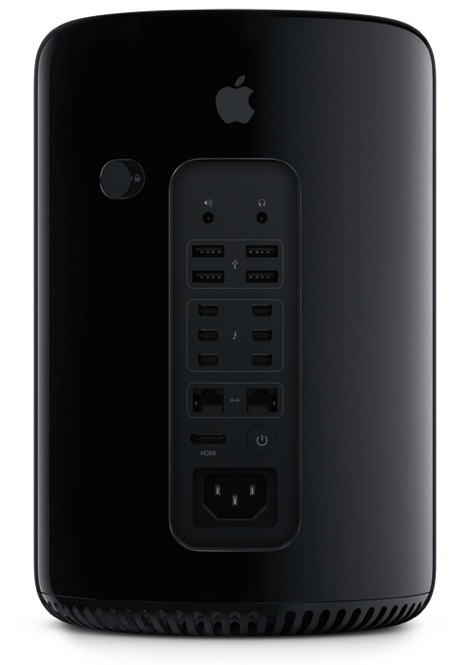
Ανακοινώθηκε το Mac OS X Mavericks 10.9!
13 Ιουνίου 2013 12:25 :: Apple | Mac | Mac OS X
| Mac OS X
Mavericks 10.9 | Mac
OS X Mavericks Server 10.9 |
Λογισμικό Mac (Mac Software)
|
Λογισμικό (Software) |
Νέες Τεχνολογίες |
Νέα Προϊόντα Πληροφορικής |
Νέα Προϊόντα Apple

Ανακοινώθηκε το iOS 7!
13 Ιουνίου 2013 12:24 :: Apple | iOS 7 | iOS | iPhone
| iPad | iPod |
Λογισμικό (Software) |
Νέα Προϊόντα Apple |
Νέα Προϊόντα Πληροφορικής |
Νέες Τεχνολογίες
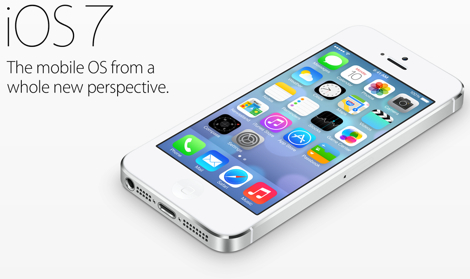
Εξωδικαστική συμφωνία: Η Apple επιστρέφει $300 ανά χρήστη... «βρεγμένου» iPhone στις ΗΠΑ!
13 Ιουνίου 2013 00:02 :: Apple |
Νομικά Θέματα |
Δικαιώματα Καταναλωτών | iPhone
| iPhone 2G
| iPhone 3G
| iPhone 3GS
| iPhone 4
| iPhone 4S
| iPhone 5
| iPod Touch
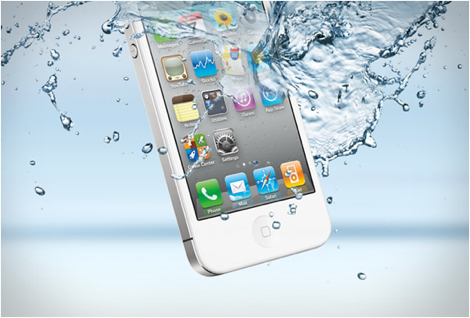
H Apple δέχτηκε να καταβάλλει 53 εκατομμύρια δολάρια για να δώσει τέλος στις μαζικές μηνύσεις καταναλωτών που διαμαρτυρήθηκαν στο περιφερειακό δικαστήριο στο Σαν Φρανσίσκο για την πολιτική εγγυήσεων που ακολουθούσε η εταιρεία με βάση, εσφαλμένες όπως υποστήριξαν, ενδείξεις υγρασίας στους αισθητήρες iPhone και iPod Touch. H Apple αρνιόταν την κάλυψη της ζημιάς από την εγγύηση, όταν οι ενδείξεις άλλαζαν χρώμα.
Η Apple επέμεινε ότι οι αισθητήρες δεν ενεργοποιούσαν εσφαλμένα τις σχετικές ενδείξεις υγρασίας (συγκεκριμένα, υπήρχε μια κόκκινη φωτεινή ένδειξη μέσα στην υποδοχή σύνδεσης των ακουστικών). Σύμφωνα με την πολιτική της, εάν ο αισθητήρας προκαλούσε την αλλαγή του χρώματος στην σχετική ένδειξη, τότε η εγγύηση δεν θα κάλυπτε την ζημιά. Η αλλαγή του χρώματος υποδείκνυε ότι iPhone ή iPod touch είχαν βυθιστεί σε νερό ή είχαν βραχεί τόσο ώστε να μην καλύπτεται από την εγγύηση της Αpple, όπως δήλωνε ρητά.
Οι ενάγοντες υποστήριξαν ότι οι αισθητήρες της 3M Co. ενεργοποιούνταν από την υγρασία του περιβάλλοντος κατά την συνήθη χρήση. Σύμφωνα με την εφημερίδα Wall Street Journal, η υπόθεση αφορά 153.000 πελάτες της Apple.
Το Bloomberg διευκρινίζει ότι αναλογούν 300 δολάρια ανά πελάτη, ανάλογα με το μοντέλο iPhone και iPod touch. Αφορά πελάτες τους οποίους αρνήθηκε να καλύψει την ζημιά η εταιρεία πριν τις 31 Δεκεμβρίου 2009 και για iPod Touch πριν τον Ιούνιο του 2010. Οι δικηγόροι μπορούν να διεκδικήσουν έως και το 30% από το ποσό που συμφωνήθηκε για την αμοιβή και τα δικαστικά έξοδα.
"SpyMobile": Κατασκοπεύστε συσκευές κινητής τηλεφωνίας!

SpyMobile Software is an Advance software system that allows you to log in from Any computer and Track any Mobile Phone online.
Download and Install this Mobile Phone Spy Software on any phone that is given to a family member or an employee of yours, you can Monitor that Mobile Phone from your computer Using a Username and Password of your choice without being detected.
This Software is Available Worldwide in Over 125 Countries.
SpyMobile is a Very Light Software, its Only 4.7 MB in Size. This program has no entries in the User Menu , and its files are extremely discreet. This software is totally invisible, there is no Icon or Symbol that shows the presence of SpyMobile on screen of Mobile.
This Spy Software can be used to Monitor Maximum of Five Mobile Phones at a Time. If you have a Internet Connection in your Mobile Phone, then you can use all Software Features and track Other Cell Phones using your Mobile web Browser.
Call Tracking, Call Listening, SMS Tracking, GPS Location Tracking, Phonebook Access, Email Tracking, URL Tracking, Photo Tracking are Advanced Spy Features of this Software.
http://www.spymobile.biz


MacBook - MacBook Pro Retina Display - MacBook Air - PowerBook - iBook - Mac Pro - iMac - iMac Retina 5K Display - iMac Pro - Mac Mini - Xserve - Server - Power Mac - PowerBook - eMac - iPhone X - iPhone 8 Plus - iPhone 8 - iPhone 7Plus - iPhone 7 - iPhone SE - iPhone 6s Plus - iPhone 6s - iPhone 6 Plus - iPhone 6 - iPhone 5S - iPhone 5 - iPhone 4S - iPhone 3GS - iPhone 3G - iPad - iPad Mini - iPad Air - iPad Pro - 5G - 4G - 3G - WiFi - iPod - Apple Watch - Apple TV - Intel Core i7 - Intel Core i5 - Intel Core i3 - Intel Xeon - Intel Core 2 Duo - G5 - G4 - G3 - 12" - 13" - 14" - 15" - 17" - 20" - 21" - 24" - 27" - macOS Server - Mac OS X Server - Mojave 10.14 - High Sierra 10.13 - Sierra 10.12 - El Capitan 10.11 - Yosemite 10.10 - Mavericks 10.9 - Mountain Lion 10.8 - Lion 10.7 - Snow Leopard 10.6 - Leopard 10.5 - Tiger 10.4 - Panther 10.3 - Mac OS 9 - iOS - App Store - iTunes - iCloud - Facetime - iCal - iChat - iSync - Mail - Safari - Time Machine Backup - Quicktime - iLife - iPhoto - iMovie - iDVD - GarageBand - iWork - Pages - Keynote - Numbers - Final Cut Pro X - Final Cut Studio - Logic Pro - Aperture - LCD - Ram - Hard Disk - SSD - Hybrid - Fusion
This web site is not affiliated with Apple Inc.Αττική - Αθήνα - Θεσσαλονίκη - Πελλοπόνησος - Επτάνησα - Κυκλάδες - Δωδεκάνησα - Κρήτη
Apple Mac Support Net is not an Apple Authorised Service Provider. We provide Independent Technical Support and Service for Apple Mac Computers.
Apple, Mac, iPhone, iPad, iPod, Apple Logo and Mac Logo are registered trademarks of Apple Inc., registered in the U.S. and other countries.
All Copyrights, Logos, Trademarks and Intelectual Properties in this website are property of their respective owner.
All the rest ©2000- Apple Μac Support Net.