
Apple Mac Support Net
Ανεξάρτητη Τεχνική Υποστήριξη και Service για τα Apple
Mac
7 Ημέρες την Εβδομάδα
10:00-20:00 > 6932 46 96
56
-


-
Αγορά Πληροφορικής
Αγορά Τηλεπικοινωνιών
Adobe
AirPort
Amazon
AMD
Αναπαραγωγή Ήχου & Μουσικής
Αναπαραγωγή Video
Android
Αντίγραφα Ασφαλείας & Συγχρονισμός Δεδομένων
Αντιμετώπιση Ψηφιακών Ιών (Antivirus)
Aperture
Απόψεις & Γνώμες
Apple
Apple App Store
Apple Events
Apple Exchange and Repair Extension Programs
Apple Keynote
Apple PencilApple QmasterApple Remote Desktop
Apple Stores
Apple TV
Apple VS Microsoft
Apple Watch
Αρχειοθέτηση & Βάσεις Δεδομένων
Ασύρματα & Ενσύρματα Δίκτυα
Αστρονομία
Asus
Backup
Bill Gates
Blackberry
Boot Camp
Brother
Γονική Μέριμνα & Γονική Επίβλεψη
Γραφικές Τέχνες
Canon
Cinema Display
Cinema ToolsColorCompressor
Computer Virus
CosmoteCSS
Διαδίκτυο (Internet)
Διασκέδαση & Ψυχαγωγία (Fun)
Διαφημίσεις
Διαχείριση Διακομιστών (Servers Administration)
Δικαιώματα Καταναλωτών
Δωρεάν Λογισμικό (Freeware)
DSL
DVD Studio ProeBayΕγγύηση/Εγγυήσεις Προϊόντων
EFI Updates
Εκπαιδευτικό Λογισμικό
Εκτυπώσεις
Ελληνική Νομοθεσία
Επεξεργασία Κειμένου & Ηλεκτρονική Σελιδοποίηση
Εργαλεία Συστήματος (System Tools)
Έρευνα & Ανάπτυξη
Epson
Ευρωπαϊκή Ένωση
Ευρωπαϊκή Νομοθεσία
Facebook
Final Cut Express
Final Cut Pro
Final Cut ServerFinal Cut StudioFireWire 400FireWire 800Firmware Updates
Fujifilm
Fusion DriveHacktivism
Ηλεκτρονικές Συναλλαγές
Θετικές Επιστήμες
Garage BandGestetner
Google
Hacking
Hewlett Packard
Hitachi
HTML
HTML5
Ιατρική & Φαρμακολογία
IBM
iBook
iCloud
iDVDiLife
iMac
iMac ProiMac Retina Display
iMovie
Intel
Intel Core 2 DuoIntel Core i3Intel Core i5Intel Core i7Intel XeoniOS 12iOS 11iOS 10iOS 9iOS 8
iOS 7
iOS 6
iOS 5
iOS 4
iOS 3
iOS 2
iOS 1
iOS
iPad Air
iPad Air 2
iPad Mini
iPad Mini 2iPad Mini 3
iPad Mini 4iPad Mini Retina Display
iPad New
iPad ProiPad Retina Display
iPad Retina Display New
iPad 2
iPad
iPhone XiPhone 8 PlusiPhone 8iPhone 7 PlusiPhone 7iPhone SEiPhone 6s PlusiPhone 6siPhone 6 Plus
iPhone 6
iPhone 5s
iPhone 5c
iPhone 5
iPhone 4S
iPhone 4
iPhone 3GS
iPhone 3G
iPhone 2G
iPhone
iPhoto
iPod
iPod Classic
iPod Nano
iPod Shuffle
iPod Touch
iTunes
iWebiWork
Java
JavaScript
Keynote
Κινητή Τηλεφωνιά
Κοινωνικά Δίκτυα (Social Networks)
Λειτουργικά Συστήματα
Lexmark
LinkedIn
Linux
LiveTypeLogic
Λογισμικό (Software)
Λογισμικό Mac (Mac Software)
Mac
Mac Mini
macOS Mojave 10.14macOS High Sierra 10.13
macOS Sierra 10.12
macOS
macOS ServerMac OS X El Capitan 10.11
Mac OS X Yosemite 10.10
Mac OS X Yosemite Server 10.10
Mac OS X Mavericks 10.9
Mac OS X Mavericks Server 10.9
Mac OS X Mountain Lion 10.8
Mac OS X Mountain Lion Server 10.8
Mac OS X Lion 10.7
Mac OS X Lion Server 10.7
Mac OS X Snow Leopard 10.6
Mac OS X Snow Leopard Server 10.6
Mac OS X Leopard 10.5
Mac OS X Leopard Server 10.5
Mac OS X Tiger 10.4
Mac OS X Tiger Server 10.4
Mac OS X Panther 10.3
Mac OS X Panther Server 10.3
Mac OS X Jaguar 10.2Mac OS X Jaguar Server 10.2Mac OS X Puma 10.1Mac OS X Puma Server 10.1Mac OS X Cheetah 10.0Mac OS X Cheetah Server 10.0Mac OS X
Mac OS X Server
Mac OS 9
Mac OS 8Mac OS 7Mac OS 6Mac Pro
Mac Support Net
Mac VS Linux
Mac VS Windows
MacBook
MacBook Air
MacBook Pro
MacBook Pro Retina Display
Μετεωρολογία & Πρόγνωση Καιρού
Microsoft
Microsoft Office
Microsoft Windows 8
Microsoft Windows 7
Microsoft Windows Vista
Microsoft Windows XP
Microsoft Windows Mobile
Microsoft Windows Server
Microsoft Windows
Motion
MP3
Νέα Προϊόντα Apple
Νέα Προϊόντα Πληροφορικής
Νέες Τεχνολογίες
Nikon
Νομικά Θέματα
Numbers
Οικολογία
Οικονομία & Λογιστική
Online Applications
Online Games
Οργάνωση & Διαχείριση Πληροφοριών
Οργάνωση & Διαχείριση Χρόνου
Pages
Παιχνίδια Mac (Mac Games)
Παιχνίδια Δράσης (Arcade)
Παιχνίδια Ρόλων (Role Playing)
Παιχνίδια Εξομοίωσης (Simulation)
Παιχνίδια Επιτραπέζια (Board)
Παιχνίδια Καταστροφής (Shoot 'Em Up)
Παιχνίδια Μηχανοκίνητων Αγώνων (Racing)
Παιχνίδια Περιπέτειας (Adventure)
Παιχνίδια Πολέμου (War Games)
Παιχνίδια Στρατηγικής (Strategy)
Παραγωγή & Επεξεργασία Γραφικών
Παραγωγή & Επεξεργασία Εικόνας
Παραγωγή & Επεξεργασία Ήχου
Παραγωγή & Επεξεργασία Ιστοσελίδων
Παραγωγή & Επεξεργασία Μουσικής
Παραγωγή & Επεξεργασία Παρουσιάσεων
Παραγωγή & Επεξεργασία Σχεδίου
Παραγωγή & Επεξεργασία Τρισδιάστατου Σχεδίου 3D-CAD
Παραγωγή & Επεξεργασία Τρισδιάστατων Γραφικών 3D-CAD
Παραγωγή & Επεξεργασία Φωτογραφίας
Παραγωγή & Επεξεργασία Video
Πολυμέσα (Multimedia)
Προγραμματισμός & Ανάπτυξη Λογισμικού
Προσωπικά Δεδομένα
Πρόταση Αγοράς
Πρόταση Δοκιμής
Panasonic
PayPal
Peer To Peer File Sharing (P2P)
Pentax
PlayStation
PowerBook
Quicktime
Σκληροί Δίσκοι
Σκληροί Δίσκοι > SSD
Σκληροί Δίσκοι > ΥβριδικοίSafari
Samsung
SanDisk
Seagate
SEO - Search Engine Optimization
Servers
ShakeSMC Update
Sony
Soundtrack ProSteve Jobs
TDK
Τεχνική Υποστήριξη Apple Mac
Τεχνική Υποστήριξη Mac
Τεχνολογίες Cloud
Tim Cook
Time Capsule
Time Capsule Alternative
Time Machine
Time Machine Server Pro
Thunderbolt
Torrents
Toshiba
Twitter
Υλικό (Hardware)
YouTube
Υποστήριξη Mac
Υποστήριξη Πελατών Apple
Υποστήριξη Χρηστών Mac
Υποστήριξη Apple Mac > Βοήθεια (Tips & Tricks)
Υποστήριξη Apple Mac > Επίλυση Προβλημάτων
Υποστήριξη Apple Mac > Mac OS Updates - Αναβαθμίσεις Λειτουργικού Συστήματος
Υποστήριξη Apple Mac > Software Updates - Αναβαθμίσεις Λογισμικού
Υποστήριξη Apple Mac > Τεχνικές Συμβουλές
Υποστήριξη Apple Mac > Τεχνική Βοήθεια
Υποστήριξη Mojave 10.14Υποστήριξη High Sierra 10.13Υποστήριξη Sierra 10.12Υποστήριξη macOS ServerΥποστήριξη El Capitan 10.11Υποστήριξη El Capitan Server 10.11Υποστήριξη Yosemite 10.10
Υποστήριξη Yosemite Server 10.10
Υποστήριξη Mavericks 10.9
Υποστήριξη Mavericks Server 10.9
Υποστήριξη Mountain Lion 10.8
Υποστήριξη Mountain Lion Server 10.8
Υποστήριξη Lion 10.7
Υποστήριξη Lion Server 10.7
Υποστήριξη Snow Leopard 10.6
Υποστήριξη Snow Leopard Server 10.6
Υποστήριξη Leopard 10.5
Υποστήριξη Leopard Server 10.5
Υποστήριξη Tiger 10.4Υποστήριξη Tiger Server 10.4Υποστήριξη Panther 10.3Υποστήριξη Panther Server 10.3Υποστήριξη Jaguar 10.2Υποστήριξη Jaguar Server 10.2Υποστήριξη Puma 10.1Υποστήριξη Puma Server 10.1Υποστήριξη Cheetah 10.0Υποστήριξη Cheetah Server 10.0Υποστήριξη Mac OS X
Υποστήριξη Mac OS X Server
Υποστήριξη Mac OS 9Υποστήριξη Mac OS 8Υποστήριξη Mac OS 7Υποστήριξη Mac OS 6Φανατικοί Χρήστες Προϊόντων Apple
Ψηφιακή Ασφάλεια
Unix
USB
USB 2.0USB 3.0
VDSL
Vodafone
VoIP
VPN
WebObjectsWestern Digital
WINDWi-Fi
X11
Xerox
XsanΙαν 2015
Δεκ 2014
Νοε 2014
Οκτ 2014
Ιουλ 2014
Μαϊ 2014
Απρ 2014
Μαρ 2014
Φεβ 2014
Ιαν 2014
Νοε 2013
Οκτ 2013
Ιουν 2013
Φεβ 2013
Ιαν 2013
Δεκ 2012
Νοε 2012
Οκτ 2012
Σεπ 2012
Ιουλ 2012
Ιουν 2012
Μαϊ 2012
Απρ 2012
Μαρ 2012
Φεβ 2012
Ιαν 2012
Δεκ 2011
Νοε 2011
Οκτ 2011
Σεπ 2011
Αυγ 2011
Ιουλ 2011
Ιουν 2011
Μαϊ 2011
Απρ 2011
Μαρ 2011
Φεβ 2011
Ιαν 2011
Δεκ 2010
Νοε 2010
Οκτ 2010
Σεπ 2010
Νοε 2014
Ο Tim Cook προσπαθεί να καταστρέψει ότι δημιούργησε ο Steve Jobs;;; - "Apple's $100 Billion Waste: Tim Cook's Single Biggest Mistake As CEO"
30 Νοεμβρίου 2014 11:15 ::
Απόψεις & Γνώμες | Apple | Tim Cook
| Steve Jobs
|
Αγορά Τηλεπικοινωνιών |
Αγορά Πληροφορικής

[11/29: Update added at the bottom of this post. Also, the author was long YHOO and BABA at the time of writing]
I am a big fan of both Apple and Tim Cook. I have been for a while. I said Cook would do a great job as CEO 6 months before Steve Jobs died and defended his record 2 years ago when people were saying he wasn’t “innovative” enough.
However, I do have a big problem with one choice Cook has made over his tenure as CEO of Apple. It’s not the lack of a bigger screen iPhone sooner or his original choice of head of Apple Retail before Angela Ahrendts. It’s his decision to spend $100 billion and counting of Apple cash on a capital return program.
The program was announced in April 2012. It was the first time since 1995 (before Jobs returned to the company) that Apple had paid a dividend. To date, it’s been estimated that Apple has used more than $100 billion of its cash on dividends and stock buybacks. To me, that’s madness.
Prior to Cook’s decision to start spending cash on dividends and buybacks, Apple was content to let it accumulate on its balance sheet. The company had gone through a near death experience in 1997 and obviously wanted to ensure it had a sufficient cash cushion to continue to fund its operations in case the markets ever turned against it.
By 2012, lots of Wall Street analysts had begun complaining that Apple simply had too much cash sitting idle on its balance sheet and it should either invest it through R&D or M&A or return it to shareholders.
There are generally 3 points of view regarding Cook’s decision to start this capital return program:
(1) Carl Icahn and most other observers affiliated with Wall Street think it was smart and, if anything, hasn’t gone far enough.
(2) Chamath Palihapitiya – a former Facebook (FB) exec who is now a venture investor and a part-owner of the Golden State Warriors basketball team – and most tech people affiliated with Silicon Valley think it was dumb and signals that the company believes it has run out of areas to innovate in.
(3) Apple blogger John Gruber thinks there’s no harm no foul in spending money on the dividends and buybacks and supports not spending money excessively on M&A because part of Apple’s success has been staying focused – “a thousand no’s for every yes.”
I believe the capital return program has been a total waste of Apple’s hard-earned $100 billion. I believe – although this is impossible to prove – that Apple’s stock price would be just as high as it is today (or more likely higher) had they spent that $100 billion on a combination of smart M&A and smart R&D that would have continued to extend Apple’s lead over other Android phone makers.
Had Apple not spent any money on a capital return plan, it would now have over $255 billion in cash on its balance sheet – a quarter of a trillion dollars.
If I had a chance to have a coffee today with Tim Cook and he still had $250 billion (with access to much more zero interest cash through debt which he’s only used to date for funding the capital return plan), I would suggest he do five things before Monday morning:
Buy Tesla (TSLA) for $45 billion (representing a 50% premium over yesterday’s closing price) – and before he complained that that’s too much money, I’d point out that if he’d listened to me on February 20th and bought Tesla, it would have been 16% less that what he has to pay now.
Buy Twitter (TWTR) for $39 billion (representing a 50% premium over yesterday’s closing price) – unfortunately that’s 4x what it would have cost Apple to buy Twitter back in April 2012 when I suggested to just after Facebook (FB) had bought Instagram for $1 billion.
Buy Pinterest for $15 billion (a 50% premium over what the private company is rumored to now be worth, although it might be more now).
Spend $10 billion on better batteries through R&D. To be fair, you’d get some of this already through the Tesla acquisition. But is there anything more frustrating to current iPhone users than poor battery life?
Spend another $10 billion on other materials or features which are going to corner the market on some features that consumers will love yet will be difficult for Android makers to copy. How about $10 billion just to make iCloud work properly?
Altogether, this M&A and R&D spree would cost Apple $119 billion. Their cash levels would be $136 billion today instead of $155 billion. They wouldn’t have much revenue to show for that $119 billion but how much higher would Apple’s market cap be than the $700 billion it is today? If Apple owned Tesla, Twitter and Pinterest? That would be worth at least another $50 – 100 billion in stock value.
It seems like many on Wall Street believe the capital return program is the reason for the renewed vigor in Apple’s stock price which is up 48% this year alone. They say that new kinds of institutional investors plus widow and orphan type retail investors have been attracted to now own Apple stock because of the dividend yield they receive.
However, recall that the capital return program was announced in the Spring of 2012. Apple’s stock price initially dropped in the first few weeks afterwards. It then rushed up through September 2012 to all-time highs before losing half its value. The stock price bottomed out in mid-2013 and only really started taking off this year after a very bullish April earnings report.
Correlation is not causation. It’s not the Apple capital return program that made people want to buy (or sell) the stock. Rather, it’s Apple’s product cycle, margins, and top-line revenue growth.
Two years ago, people worried that Apple was a “hits-based” business relying on new phones each year. It seemed like margins had peaked and Cassandras were shouting that no consumer electronics company – certainly not one without Steve Jobs any more – could keep competitors from eating away at that margin. Samsung seemed ready to ascend to Apple’s throne. Tim Cook seemed to be a care-taker.
Sentiment about Apple the stock didn’t change because they started paying a dividend in my view. Sentiment turned around when Apple kept crushing earnings, people realized that the Apple ecosystem was a lot stickier than first thought, and Eddy Cue said in May that Apple had a product roadmap which was the best he’d seen in the last 25 years.
It’s always been the product which has driven Apple’s stock and always will be.
The day Apple decided to get on the treadmill of paying out money to investors forever through dividends and buybacks is that day they admitted to the world that they can’t walk and chew gum at the same time. A lot of potential innovation inside Apple died that day.
John Gruber – whom I respect immensely, and who humorously referred to me as “Action Jackson” for imploring Apple to “do something” with their cash – defended Cook’s decision to do the capital allocation because (A) he thought it was smart for Apple to adhere to a policy of focus over willy-nilly acquisitions and (B) he believed it would be marginally positive for the stock which helps with employee retention. (I’m going by memory from a Twitter exchange I had with Gruber 9 months ago, but I’m pretty sure that was his reasoning.)
Here’s why I think John Gruber is wrong on this issue. Anti-M&A Apple enthusiasts always say that, because Apple has never done big acquisitions, and Apple has been successful, Apple therefore shouldn’t do acquisitions. This is mixing correlation with causation again though in my view.
There’s nothing inherently wrong with acquisitions. They have to be value-enhancing and help extend the business in a direction it wants to go. If done right, they can be very value-enhancing. Don’t forget: Apple itself wouldn’t exist in its present form had it not been for an acquisition – the 1996 acquisition of NeXT Software for $400 million, returning Steve Jobs to Apple. I’d say that was a good use of $400 million versus if they’d simply paid it out in a dividend.
Even Apple seems to acknowledge this logic of the benefit of big acquisitions with its recent $3 billion buy of Beats to supplement its iTunes business.
In terms of the focus argument, Apple has about 45,000 non-retail employees today which is about the same number as Google (GOOG). If Apple bought Tesla, Twitter, and Pinterest, they’d gain 9,000 additional employees (although surely there’d be some redundancies here – 5800 for Tesla, 3000 for Twitter, 200 for Pinterest). That’s about a 20% increase in headcount. I think a company like Apple can surely handle that and keep its focus. I just don’t think things are so sacrosanct at Apple that they can’t manage these additional people.
Oh and I’m not alone in pushing for Apple to buy Tesla (which would represent 5,800 of the new 6,100 employees Apple would gain through the 3 acquisitions I’m advocating). Chamath is – I think — the guy who originally argued for this deal. John Gruber agreed with my idea of buying Tesla. Jay Yarow of Business Insider also recently extended my original argument. So, we’re all in agreement that this would be a brilliant – and frankly breath-taking – acquisition Cook should make. In some ways, it would very much resemble the NeXT deal and how important Musk could be inside Apple the way Jobs was.
Now, I’ve argued that Apple should make other acquisitions in the past. Some will say here goes “Action Jackson” again. But let’s review what I said.
I argued in the past that Apple should buy Yahoo (YHOO) for $23 billion back when Yahoo’s market cap was $18 billion. Now Yahoo’s market cap is $50 billion. I believed that deal would have helped given Apple some real web services which it still is lacking, plus a great partner in China through owning (what at that time would have been) 40% of Alibaba (BABA).
I also argued that Apple should have bought Facebook for $100 billion back in 2011 when it was being privately valued at $50 billion and critics were screaming that was way too expensive.
Would all of these deals shown a lack of focus?
Apple’s still doing something – who knows what? – with iAd. They’re putting some focus there. If you’re going to do that, why not have just bought Facebook for $100 billion and let Mark Zuckerberg continue to run it (if he would have accepted Cook’s offer). You don’t have to worrying about losing your focus. You’re paying Zuck $100 billion to have focus for you over that asset. (And wouldn’t Google have just hated Apple had they had the moxie to do this?)
Apple’s still focusing on web services and messing around with that area – not impressively. If they’re going to devote some focus there, why not just own Yahoo and have Marissa Mayer run that area for them? Oh and they would have acquired a 40% interest in Alibaba which is today worth $112 billion (pre-tax).
And, while it wasn’t something I argued for at the time, you can understand now what the value to Apple would have been if they’d bought Dropbox for “nine figures” (which is less than $1 billion for those math-challenged) back in 2009. Why did Steve Jobs stubbornly push back from the table and say Dropbox’s price was too high? Every time I interact with iCloud, I curse the day Jobs got cheap and thought Apple was better off staying focused and not buying Dropbox.
So, please don’t lecture me about focus when I criticize the folly of Apple for being too “stand pat.” Apple – and only Apple due to its size and cash balances at the time – could have spent $124 billion on Facebook, Dropbox and Yahoo and today control assets worth $338 billion (just for Facebook’s equity value, Dropbox’s estimated $10 billion in value, and the 40% stake in Alibaba). That means Apple would already be a trillion dollar company today easy.
Apple’s still focusing on iAd and web services today and they’ve still blown $100 billion on dividends and buybacks but they don’t have anything to show for it. Let’s not try and defend these lack of decisions as Tim Cook being focused or a thousand no’s for every yes.
Apple could have a quarter of a trillion dollars today in cash to put to work today. They could become the overnight leader in smart cars by buying Tesla. They could – more importantly – acquire our generation’s single greatest technological leader in Elon Musk and give him carte blanche to paint his canvas. (Somehow, I think Musk could find a better use of $100 billion than handing it over to shareholders.) They could acquire the single most unique and intriguing asset in the social networking world today in Twitter which, despite the recent management criticisms, is only going to be more important to our culture moving forward. They could acquire the single greatest threat to Google search in the last 15 years by buying Pinterest.
Tim Cook could make all this happen before we return to work from Thanksgiving next Monday. He could make Apple – a fundamentally great company – into a remarkably exciting company unlike any other in the world.
He should do this, but I doubt he will.
I doubt he will because he’s married a fickle lover in Wall Street. He’s paid Wall Street $100 billion to date and promised countless more billions in the future. This doesn’t make Apple a better company or promise a brighter future. And it doesn’t raise the stock any higher than it would rise anyway on the hopes of the latest round of new products.
There are times I agree companies should pay out cash to shareholders in dividends or buybacks instead of doing pointless M&A. I’d rather see Yahoo do that right now than spend billions more on another Tumblr and 3 dozen nameless acqui-hire companies.
But Apple can do much better for itself now with its billions rather than continue wasting them on nameless, faceless Wall Street mutual fund managers. No one else can put $100 billion to use on M&A and R&D other than Apple to transform itself for the better.
Only Apple can spend $100 billion wisely.
It’s time for Tim Cook to think different.
Update [11/29]: Comments and tweets are running about 99 to 1 anti-Eric’s argument above. I basically have Jay Yarow (partially) in my corner and some random guy on Twitter and that’s it.
However, I want to add to the argument above based on the reaction so far.
1. I would rather have seen Apple keep $100 billion over the last 2.5 years instead of paying it out to shareholders. Either you agree with me or you shrug your shoulders and say “what’s the big deal?” I think it is a big deal. It’s $100 billion! That’s nothing to shrug your shoulders at. It took Apple as a company a lifetime to be in the fortunate position to have generated that much capital and I think they should have kept it than paid it out. At the least, they should stop this capital return plan and keep everything from here.
I don’t think Apple’s stock price would be any different today with our without the capital payout program. I can’t prove that obviously but, guess what? Neither can those saying it is perfectly correlated to the recent rise in Apple’s stock price.
Apple’s stock initially dropped after they announced their plan in 2012. Wall Street never perfectly prices in what it perhaps it economically should. That’s why – for years – Wall Street didn’t seem to give any credit for the cash Apple was accumulating.
There are lots of companies who do buybacks and dividends and it seems to benefit those companies. But they’re generally not innovative ones. They’re generally at the top of their S-curved growth.
I believe the most important determinant of Apple’s stock price – two years ago and now – is how investors perceive the coming cycle of new Apple products. In my view, that’s what caused the 50% drop in Apple’s price two years ago (on a negative perception of that coming cycle) and it’s what’s caused the recent ramp up this year in the stock (on a positive perception). The dividends and buybacks are correlated with the stock’s rise recently but not the cause – in my view.
2. I think there are many tech-minded people who believe that the day your company starts paying a dividend is the day you say “I can’t think of anything creative to do with the money myself so I’m going to give it back to the shareholders.” Again, it suggests you’re at the top of the S-curve and you’re simply going to milk your profits from here on out.
There are lots of ways Apple could still grow. I think few who argue against that. I’d rather see Apple keep all its cash ready to attack those problems through R&D or M&A.
3. The Focus thing. For me to mention buying Tesla, Twitter, Pinterest, Yahoo, Dropbox, and Facebook in the post, I think it came across that I was arguing to do all those acquisitions and more big ones in the future at the drop of a hat. Any of those deals would have made financial sense but I recognize that cultural fit is important.
Apple might have looked at buying Yahoo 2 years ago. They might have believed it was attractive to own 40% of Alibaba years before folks were talking about it here and the potential ways Alibaba could help them in China, but they still might have decided against buying Yahoo because of the potential headache digesting 13,000 Yahoo employees who had been running on auto-pilot for years.
So, yes, cultural fit is important. And, yes, none of those companies might not have agreed to sell – like Zuckerberg. But Apple is still doing stuff in ads. They are focusing there. Either get in or get out of the pool. Do ads or not. And, if you’re going to do ads, you probably need some help. So acquire someone (else, because they’ve done some alread). You’ve got ample cash unlike any other company in the world so go for it. If you’re going to play around with Ping, go all the way with it.
Of all the potential acquisitions I suggested, I think the most interesting by far is Tesla. If I was Cook, that’s the first one I’d do. If it was the only one he did, I’d be happy.
I still think Twitter and Pinterest could also be huge assets in the future for Apple so I’d also grab them now at lower prices than what they’ll be in 5 years and I’d get to work on integrating them now rather than waiting and having more of an integration issue later.
4. Why did Cook choose to do the dividend and payout? I think that’s worth thinking about. Sure he was getting pressure from David Einhorn and Carl Icahn to do it but I don’t think either of those guys (who I respect) forced Tim to do it. I believe Cook thought Apple had way too much money than it could spend and this was a way to increase the stock price. He seemed to go out of his way when the stock dropped in 2013 to buy more stock to aid the stock price. I think he probably worried that a low stock price would hurt employee morale and retention. So, I think it came from a “it can’t hurt, only help” place for Cook. And, by the way, I think Cook’s a great leader and any one who’s read my stuff for years knows I defended him when others – who really knew nothing – were calling for his head.
However, despite this all coming from a good place, I think Cook simply misjudged what drives Apple’s stock price. It’s the product cycle, period. So, this $100 billion has been wasted and I think it could have been better spent.
5. Apple shouldn’t be doing big acquisitions every year. But they should be thinking “what’s the NeXT acquisition we could do today which would propel our company into a totally new and exciting vector that makes sense?” I think Tesla is it for reasons I’ve argued before.
6. People talk about Apple’s patience, its focus, its culture as things that have led to its success. They worry that doing a big acquisition might hurt Apple’s specialness.
I think it’s obvious Apple has a dominant bias to build vs. buy. That’s fine, but I think those biases – which have made it a very special company – can also sow the seeds of future mistakes. The concern I have with Apple is that it is missing a big transformational acquisition – Tesla for example – because it defaults back to these biases (that’s too big, we don’t do that, a thousand no’s for every yes) and misses a huge opportunity.
7. Maybe Apple’s worried about falling into an anti-trust trap with the government like has happened to Microsoft and Google. Maybe that’s the real reason they’re avoiding big acquisitions today. That’s fair. But I can’t see how a Tesla acquisition would concern antitrust regulators.
http://www.forbes.com/sites/ericjackson/2014/11/27/apples-100-billion-waste-tim-cooks-single-biggest-mistake-as-ceo/2/
«Κείμενα με πλοκή Σαίξπηρ» οι «Όροι και Προϋποθέσεις» των Κοινωνικών Δικτύων!
29 Νοεμβρίου 2014 20:35 ::
Αγορά Τηλεπικοινωνιών |
Αγορά Πληροφορικής |
Νομικά Θέματα |
Προσωπικά Δεδομένα |
Δικαιώματα Καταναλωτών | LinkedIn
|
Διαδίκτυο (Internet) | Twitter
| Facebook
|
Κοινωνικά Δίκτυα (Social Networks)

H Επιτροπή με την εποπτεία των Επιστημών και της Τεχνολογίας στη M. Βρετανία, συστήνει στα κοινωνικά δίκτυα να απλοποιήσουν τους “Όρους και τις Προϋποθέσεις”, με τα οποία καλούνται να συμφωνήσουν οι χρήστες τους.
Όπως αναφέρει σε άρθρο του BBC, οι χρήστες μπορεί να μην ενημερώνονται για το πώς χρησιμοποιούνται τα στοιχεία τους από τις ιστοσελίδες και τις εφαρμογές των κοινωνικών δικτύων και όχι μόνο.
Ένας από τους λόγους είναι τα μεγάλα κείμενα και οι η πολυπλοκότητα των “Όρων και Προϋποθέσεων” με τους οποίους καλούνται να συμφωνήσουν οι χρήστες.
Η επιτροπή μάλιστα το ρίχνει στο χιούμορ, βρετανικό χιούμορ μάλιστα, λέγοντας ότι ... η πλοκή των αντίστοιχων κειμένων μοιάζει με κείμενα του Σαίξπηρ!
Επίσης, η Επιτροπή αναφέρει ότι πρόβλημα υπάρχει και με τις εφαρμογές, οι οποίες προκείμενου να παρέχουν τις υπηρεσίες τους, ζητούν πρόσβαση σε πληροφορίες που δεν χρειάζονται για προφανείς λόγους.
WiFi στο Ντουμπάϊ!
28 Νοεμβρίου 2014 14:45 ::
Ασύρματα & Ενσύρματα Δίκτυα
|
Διασκέδαση & Ψυχαγωγία (Fun)

Το malware "Regin" είναι επιπλέον και μία κακόβουλη πλατφόρμα κατασκοπείας δικτύων κινητής τηλεφωνίας GSM!
28 Νοεμβρίου 2014 14:39 ::
Αντιμετώπιση Ψηφιακών Ιών (Antivirus)
|
Λογισμικό (Software) |
Προσωπικά Δεδομένα |
Δικαιώματα Καταναλωτών |
Διαδίκτυο (Internet) |
Αγορά Τηλεπικοινωνιών |
Αγορά Πληροφορικής | Hacking
|
Νομικά Θέματα |
Ψηφιακή Ασφάλεια

Αν και είχε επισημανθεί ότι στοχεύει σε υπολογιστές Windows τελικώς το Regin έχει κατασκευαστεί για να καθιστά δυνατές και τις υποκλοπές και τις παρακολουθήσεις μέσω δικτύων GSM. Το Regin είναι ένα πραγματικό πολύ-εργαλείο για τον επιτιθέμενο.
Σύμφωνα με την εταιρεία Kaspersky, το Regin είναι η πρώτη πλατφόρμα ψηφιακών επιθέσεων που μπορεί να διαπερνά και να παρακολουθεί GSM δίκτυα, πραγματοποιώντας παράλληλα και άλλες "τυπικές" εργασίες κατασκοπείας. Οι επιτιθέμενοι πίσω από την πλατφόρμα έχουν παραβιάσει δίκτυα υπολογιστών σε τουλάχιστον 14 χώρες.
Την άνοιξη του 2012, οι ειδικοί της Kaspersky Lab αντιλήφθηκαν για πρώτη φορά το κακόβουλο λογισμικό Regin, το οποίο φαινόταν να είναι μέρος μιας περίπλοκης εκστρατείας κατασκοπείας. Εδώ και τρία σχεδόν χρόνια, ίχνη του κακόβουλου λογισμικού έχουν εντοπιστεί σε όλο τον κόσμο.
Κατά καιρούς, εμφανίζονταν δείγματα σε διάφορες multi-scanner υπηρεσίες, αλλά ήταν όλες άσχετες μεταξύ τους, με αινιγματική λειτουργικότητα και χωρίς συγκεκριμένο πλαίσιο. Ωστόσο, οι ειδικοί της Kaspersky Lab μπόρεσαν να απομονώσουν δείγματα που εμπλέκονταν σε διάφορες επιθέσεις, συμπεριλαμβανομένων και εκείνων κατά κυβερνητικών οργανισμών και παρόχων τηλεπικοινωνιών.
Τα δείγματα αυτά παρείχαν επαρκή πληροφόρηση ώστε να προχωρήσει μια πιο ενδελεχής έρευνα σχετικά με την απειλή αυτή.
Η μελέτη των ειδικών της εταιρείας διαπίστωσε ότι το Regin δεν είναι απλώς ένα κακόβουλο πρόγραμμα, αλλά μια πλατφόρμα, ένα πακέτο λογισμικού αποτελούμενο από πολλαπλές μονάδες, οι οποίες μπορούν να "μολύνουν" ολόκληρο το δίκτυο των στοχοποιημένων οργανισμών, για να αποκτήσουν πλήρη απομακρυσμένο έλεγχο σε κάθε επίπεδο που αυτό ήταν δυνατόν.
Σκοπός του Regin είναι η συγκέντρωση εμπιστευτικών δεδομένων μέσα από τα δίκτυα που δέχονται επίθεση και η εκτέλεση πολλών άλλων τύπων επιθέσεων.
Ο παράγοντας που βρίσκεται πίσω από την πλατφόρμα Regin διαθέτει μια πολύ καλά αναπτυγμένη μέθοδο για τον έλεγχο των δικτύων που έχουν "μολυνθεί".
Οι ειδικοί της Kaspersky Lab εντόπισαν αρκετούς οργανισμούς που βρίσκονταν σε κίνδυνο σε μία χώρα, αλλά μόνο ένας από αυτούς ήταν προγραμματισμένος να επικοινωνεί με τον Command & Control server που βρισκόταν σε άλλη χώρα.
Ωστόσο, όλα τα θύματα του Regin στην περιοχή ενώθηκαν σε ένα peer-to-peer δίκτυο, που έμοιαζε με δίκτυο VPN, γεγονός που επέτρεπε την μεταξύ τους επικοινωνία.
Έτσι, οι επιτιθέμενοι μετέτρεψαν τους παραβιασμένους οργανισμούς σε ένα πολύ μεγάλο, ενοποιημένο θύμα και ήταν σε θέση να στέλνουν εντολές και να υποκλέπτουν πληροφορίες μέσω ενός και μόνο σημείου εισόδου.
Βάσει της έρευνας της Kaspersky Lab, η δομή αυτή επέτρεψε στον παράγοντα να λειτουργεί αθόρυβα για πολλά χρόνια χωρίς να εγείρει υποψίες.
Το πιο πρωτότυπο και ενδιαφέρον χαρακτηριστικό της πλατφόρμας Regin, όμως, είναι η ικανότητά της να επιτίθεται σε GSM δίκτυα.
Σύμφωνα με ένα αρχείο καταγραφής δραστηριότητας σε έναν ελεγκτή σταθμού βάσης GSM που μελετήθηκε από τους ερευνητές της Kaspersky Lab, οι επιτιθέμενοι ήταν σε θέση να αποκτήσουν στοιχεία πρόσβασης που θα τους επέτρεπαν να ελέγχουν τις κυψέλες GSM του δικτύου μίας μεγάλης εταιρείας κινητής τηλεφωνίας.
Αυτό σημαίνει ότι θα μπορούσαν να έχουν πρόσβαση σε πληροφορίες σχετικά με το ποιες κλήσεις βρίσκονται υπό την επεξεργασία μιας συγκεκριμένης κυψέλης GSM, να ανακατευθύνουν τις κλήσεις σε άλλες κυψέλες, να ενεργοποιούν γειτονικές κυψέλες και να εκτελούν άλλες επιθετικές δραστηριότητες.
Προς το παρόν, οι επιτιθέμενοι πίσω από το Regin είναι οι μόνοι που έχει γνωστό ότι ήταν σε θέση να υλοποιήσουν τέτοιου είδους επιχειρήσεις.
Το Regin αποδεικνύεται ότι είναι μία απειλή με ιδιαίτερα πολύπλοκο και εκλεπτισμένο μηχανισμό που "χτυπάει" και δίκτυα GSM.
Πρόσφατα, η ομάδα CERT (Computer Emergency Readiness Team) στις Ηνωμένες Πολιτείες δημοσιοποίησε μία προειδοποίηση για το Regin.
Αρκετοί που είδαν την ανακοίνωση, έσπευσαν να ειρωνευτούν, αφού οι περισσότεροι πιστεύουν ότι πίσω από τον κώδικα του Regin κρύβονται οι υπηρεσίες αντικατασκοπείας των Ηνωμένων Πολιτειών ή της Μ.Βρετανίας.
Το πιθανότερο είναι η ομάδα CERT ήθελε να αναγνωρίσει τις ανησυχίες των εταιρειών Symantec και Kaspersky, αν και η κίνηση μοιάζει... κωμική.
Βεβαίως δεν είναι η πρώτη φορά που η ομάδα CERT δημοσιοποιεί προειδοποιήσεις, το έχει κάνει και στην περίπτωση του Stuxnet και του malware με την ονομασία Duqu.
Το Twitter θα καταγράφει τις εφαρμογές που είναι εγκατεστημένες στο κινητό μας!
28 Νοεμβρίου 2014 14:34 ::
Ψηφιακή Ασφάλεια |
Νομικά Θέματα |
Δικαιώματα Καταναλωτών |
Διαδίκτυο (Internet) |
Κοινωνικά Δίκτυα (Social Networks)
|
Προσωπικά Δεδομένα | Twitter

To Twitter προχωρά τις τελευταίες ημέρες σε σημαντικές αλλαγές στην συλλογή στοιχείων από τους χρήστες.
Η καταγραφή των εφαρμογών που βρίσκονται στο κινητό μας είναι μέρος της συνολικής αναδιάρθρωσης στο σύστημα διαχείρισης των δεδομένων του ισοτόπου.
Το Twitter έχει πλέον δώσει index σε κάθε tweet που έχει γίνει από το 2006, με στόχο να παρέχει αποτελέσματα αναζήτησης για δημοσιεύσεις που γίνονται όχι μόνο σε πραγματικό χρόνο, αλλά που αφορούν και το παρελθόν.
Να διευκρινίσουμε εδώ ότι η καταγραφή των εφαρμογών αφορά μόνο εκείνες που είναι συσχετισμένες με το Twitter και περιορίζεται μόνο στον τύπο της. Δεν συλλέγονται δεδομένα σχετικά με τη δραστηριότητα του χρήστη μέσα στην κάθε εφαρμογή.
FaceBig Brother...
28 Νοεμβρίου 2014 14:27 ::
Προσωπικά Δεδομένα |
Ψηφιακή Ασφάλεια |
Νομικά Θέματα |
Δικαιώματα Καταναλωτών |
Διαδίκτυο (Internet) |
Κοινωνικά Δίκτυα (Social Networks)
| Facebook

Πολλοί ήταν οι πολίτες που πίστεψαν ότι ίσως έχουν πέσει θύματα χάκερ, ωστόσο, το Facebook είχε ανακοινώσει ότι θα προχωρούσε σε αυτό το βήμα εδώ και πολλούς μήνες
Τις τελευταίες ημέρες όλο και περισσότεροι χρήστες του Facebook βλέπουν τα προφίλ τους στον γνωστό ιστότοπο κοινωνικής δικτύωσης «μπλοκαρισμένα» και ένα μήνυμα από την εταιρεία με το οποίο τους ζητά να «ανεβάσουν» τα στοιχεία της ταυτότητάς τους, προκειμένου να συνδεθούν και να επανέλθει ο λογαριασμός τους.
Αρχικά, πολλοί ήταν οι πολίτες οι οποίοι μέσω ιστολογίων και άλλων μέσων κοινωνικής δικτύωσης εξέφρασαν την ανησυχία τους για την παράξενη αυτή κίνηση, ενώ αρκετοί πίστεψαν ακόμη και πως είχαν πέσει θύματα χάκερ.
Ωστόσο, η αλήθεια είναι ότι τα αιτήματα αυτά χαρακτηρίζονται νόμιμα και πως πριν από ένα περίπου χρόνο η εταιρεία είχε ανακοινώσει ότι θα προχωρούσε σε αυτό το βήμα, προκειμένου να διασφαλίσει ότι τα προφίλ ανταποκρίνονται σε πραγματικούς χρήστες.
Με αυτόν τον τρόπο η υπηρεσία θέλει να διασφαλίσει ότι οι χρήστες δεν παραβιάζουν τους όρους χρήσης και ότι χρησιμοποιούν τα πραγματικά τους στοιχεία. Επίσης, θέλει να διαγράψει τους χιλιάδες ψεύτικους λογαριασμούς που υπάρχουν στην ιστοσελίδα.
USB Type-C: Το καλώδιο USB το οποίο τοποθετείς στην θύρα USB από όποια πλευρά θέλεις, πήρε την τελική του μορφή και έρχεται σύντομα!
28 Νοεμβρίου 2014 14:18 :: USB | USB 3.0
|
Αγορά Τηλεπικοινωνιών |
Αγορά Πληροφορικής |
Υλικό (Hardware) |
Νέες Τεχνολογίες |
Νέα Προϊόντα Πληροφορικής

Η σύμπραξη USB 3.0 Promoter Group (αποτελείται από εκπροσώπους βιομηχανιών πληροφορικής, ηλεκτρονικών, φορητών συσκευών, τηλεοράσεων κλπ.) ανακοίνωσε επίσημα ότι έχει οριστικοποιήσει τις προδιαγραφές του καλωδίου USB Type-C, το οποίο έχει μικρότερο μέγεθος από τα σημερινά βύσματα και υποδοχές USB αλλά ο χρήστης θα έχει τη δυνατότητα να το τοποθετεί από όποια πλευρά επιθυμεί.
Το νέο καλώδιο υποστηρίζει την τεχνολογία USB 3.1 (SuperSpeed USB) για μεταφορά δεδομένων με ταχύτητες έως 10Gbps και παροχή ενέργειας έως 100W, ωστόσο, η αλλαγή μεγέθους σημαίνει ότι οι σημερινές συσκευές θα χρειάζονται αντάπτορες για να συνδεθούν στις νέες υποδοχές ή/και το αντίστροφο.
Για την ώρα δεν αναφέρουν κάποιο χρονοδιάγραμμα για το λανσάρισμα της νέας τεχνολογίας, αλλά φανταζόμαστε ότι μέσα στους επόμενους μήνες θα δούμε τις πρώτες συσκευές με USB Type-C.
"Hello World :)" - Μικρού μήκους ταινία για ένα μέλλον όπου η ανθρώπινη μνήμη είναι αποθηκευμένη σε server!
26 Νοεμβρίου 2014 16:32 ::
Νέες Τεχνολογίες |
Απόψεις & Γνώμες |
Διαχείριση Διακομιστών (Servers
Administration) |
Διαδίκτυο (Internet)
Hello World :) - English subtitles from Sidekick on Vimeo.
Στο κοντινό μέλλον, μια ιδιωτική εταιρεία έχει αναπτύξει ένα λειτουργικό σύστημα που υποχρεώνει τους χρήστες να αποθηκεύσουν τη μνήμη τους σε έναν server, με αποτέλεσμα να έχει τη δύναμη να διαγράψει ή να αλλοιώσει τις αναμνήσεις και την προσωπικότητα τους ανά πάσα στιγμή. Όμως, μια νεαρή γυναίκα θα προσπαθήσει να αλλάξει αυτή τη δυσοίωνη πραγματικότητα.
Αυτή είναι η υπόθεση της μικρού μήκους ταινίας “Hello World” των Rafaël Mathé και Etienne Larragueta, η οποία στηρίζεται σε όχι και τόσο απίθανες θεωρίες. Είτε είστε από αυτούς που πιστεύουν σε εφιαλτικά σενάρια για το μέλλον, είτε απλά σας αρέσουν οι ταινίες επιστημονικής φαντασίας, δείτε την!
Νέο εργαλείο ασφαλείας της Google δείχνει ποιές συσκευές χρησιμοποιούν τον λογαριασμό σου!
26 Νοεμβρίου 2014 16:05 ::
Προγραμματισμός & Ανάπτυξη
Λογισμικού |
Προσωπικά Δεδομένα |
Δικαιώματα Καταναλωτών |
Νέα Προϊόντα Πληροφορικής |
Νέες Τεχνολογίες |
Νομικά Θέματα |
Διαδίκτυο (Internet) |
Ψηφιακή Ασφάλεια | Google
| Hacking
Στις μέρες μας δεν είναι καθόλου σπάνιο για κάποιον χρήστη να έχει συνδέσει διάφορους λογαριασμούς σε πληθώρα συσκευών, έτσι ώστε να μπορεί να παρακολουθεί τη δραστηριότητα και τις ενημερώσεις ανεξάρτητα εάν χρησιμοποιεί tablet, smartphone, σταθερό υπολογιστή, laptop κλπ. Αυτό, όμως, έχει ως αποτέλεσμα από ένα σημείο και έπειτα να μη θυμάται ποιες από αυτές τις συσκευές χρησιμοποιούν πράγματι τους λογαριασμούς του με δική του άδεια.
Γι’ αυτό η Google λανσάρει ένα νέο εργαλείο που μας επιτρέπει με ευκολία να βλέπουμε ποιες συσκευές έχουν πρόσβαση σε συγκεκριμένους λογαριασμούς μέσα στον τελευταίο μήνα, ελέγχοντας παράλληλα και την πιθανότητα να έχει παραβιαστεί κάποιος από αυτούς και να χρησιμοποιείται από άγνωστη συσκευή.
Το νέο εργαλείο μπορείτε να το βρείτε στις ρυθμίσεις του λογαριασμού σας κάτω από τη λίστα “Devices and Activity Dashboard”, η οποία είναι ενημερωμένη για τις τελευταίες 28 ημέρες. Εάν μια νέα συσκευή ξεκινήσει να χρησιμοποιεί τον λογαριασμό σας, τότε θα δείτε τη λέξη “New” δίπλα από το όνομα της.
Σε περίπτωση που παρατηρήσετε κάτι άγνωστο ή ύποπτο, π.χ. αν δείτε συσκευή Mac να χρησιμοποιεί τον λογαριασμό σας ενώ έχετε στην κατοχή σας μόνο Windows PC, τότε μπορείτε να ασφαλίσετε τον λογαριασμό σας (επιλογή “Secure your account”) αλλάζοντας password, ανανεώνοντας τα στοιχεία επαναφοράς, ενεργοποιώντας την πιστοποίηση σε δύο βήματα (two-step verification) κλπ.
Περισσότερες πληροφορίες από το Blog της Google.
Ανεβάζει τους τόνους η Ευρωπαϊκή Ένωση με σχέδιο διασπάσεως της Google!
24 Νοεμβρίου 2014 11:15 ::
Ευρωπαϊκή Νομοθεσία |
Ευρωπαϊκή Ένωση | Google
|
Αγορά Τηλεπικοινωνιών |
Αγορά Πληροφορικής |
Δικαιώματα Καταναλωτών |
Διαδίκτυο (Internet)

H Google έχει γίνει στόχος επανειλημμένων ελέγχων για μονοπωλιακές πρακτικές στην Ευρώπη την τελευταία δεκαετία. Οι Financial Times αναφέρουν ότι το Ευρωπαϊκό Κοινοβούλιο είναι στα πρόθυρα λήψης ακόμη πιο δραστικών μέτρων.
Λέγεται ότι η Ευρωπαϊκή Επιτροπή ετοιμάζει ένα σχέδιο δράσης που ενδεχομένως να σημάνει την διάσπαση του γίγαντα στον τομέα της αναζήτησης, και πιο συγκεκριμένα την "αποδέσμευση της μηχανής αναζήτησης από τις άλλες εμπορικές υπηρεσίες του".
Δεν έχουν περάσει περά πέντε μήνες από τότε που η Google υποχρεώθηκε από την Ευρωπαϊκή Επιτροπή να αφαιρέσει δεσμούς και ιστοσελίδες από την μηχανή αναζήτησης της για να συμμορφωθεί με τους νέους κανόνες της Ευρωπαϊκής Ένωσης σχετικά με αυτό που ονομάστηκε "δικαίωμα στη λήθη".
Να θυμίσουμε ότι το Δικαστήριο της Ευρωπαϊκής Ένωσης έκρινε με πρόσφατη απόφασή του (C-131/12, 13 Μαΐου 2014) ότι ορισμένοι χρήστες έχουν το δικαίωμα να ζητούν από τις μηχανές αναζήτησης να καταργούν συγκεκριμένα αποτελέσματα για αναζητήσεις που περιλαμβάνουν το όνομά τους, σε περιπτώσεις κατά τις οποίες το δικαίωμα του ατόμου για κατάργηση των σχετικών αποτελεσμάτων υπερέχει των συμφερόντων που σχετίζονται με τη μηχανή αναζήτησης.
Η Google έχει επικριθεί επανειλημμένως για την εμπορική κυριαρχία της στον τομέα όσο και για την προστασία της ιδιωτικής ζωής και των προσωπικών δεδομένων. Όπως σημειώνουν οι Financial Times, το Ευρωπαϊκό Κοινοβούλιο δεν έχει την εξουσία να αναγκάσει την διάσπαση μιας εταιρείας όπως η Google, αλλά έχει την δυνατότητα να αλλάξει την υπάρχουσα νομοθεσία ή να φέρει νέους νόμους, κάτι που θα μπορούσε να επηρεάσει τον γίγαντα της αναζήτησης στο Internet.
Όταν ρωτήθηκε από την εφημερίδα Financial Times γιατί ένα τόσο δραστικό μέτρο, όπως η διάσπαση μίας εταιρείας ήταν απαραίτητο, ο Ramon Tremosa, Ισπανός Ευρωβουλευτής που υποστήριξε την κίνηση απάντησε, ότι η Ευρωπαϊκή Επιτροπή δεν μπορούσε να ζητήσει "τον μυστικό αλγόριθμο της Google" και έπρεπε να βρει άλλα νόμιμα μέσα για να περιορίσει την εξουσία και την επιρροή της.
Ο Jan Philipp Albrecht των Πράσινων είπε: "Οι μηχανές αναζήτησης όπως η Google δεν θα έπρεπε να χρησιμοποιούν την δύναμη τους στην αγορά για να προωθούν διαφημιστικές ή εμπορικές δραστηριότητες της ίδιας εταιρείας. Αυτό αποτελεί αιχμή για το Google+ ενώ και το Yelp διαμαρτύρεται ότι η Google το έχει θέσει εκτός των αποτελεσμάτων αναζήτησης.
Η αποθέωση της ανικανότητος του ΟΤΕ! Αντί να τοποθετήσει δίκτυα οπτικών ινών δίνει πανάκριβο δορυφορικό διαδίκτυο!!!: "ΟΤΕ Satellite με ευρυζωνικό Internet σε απομακρυσμένες περιοχές!"
23 Νοεμβρίου 2014 19:49 ::
Αγορά Πληροφορικής |
Δικαιώματα Καταναλωτών |
Διαδίκτυο (Internet) |
Νέες Τεχνολογίες |
Νέα Προϊόντα Πληροφορικής |
Αγορά Τηλεπικοινωνιών

Μπορεί οι ευρυζωνικές συνδέσεις να αποτελούν πραγματικότητα για ένα μεγάλο μέρος του πληθυσμού της χώρας μας, όμως ακόμα υπάρχουν περιοχές στις οποίες η πρόσβαση σε γρήγορο Internet αποτελεί όνειρο θερινής νυκτός.
Για τις περιπτώσεις απομακρυσμένων ή δύσβατων περιοχών, ο ΟΤΕ ανακοινώνει σήμερα μια νέα υπηρεσία με την ονομασία OTE Satellite Internet η οποία με τη βοήθεια Δορυφόρου φέρνει το ευρυζωνικό Internet και σ' αυτές τις περιοχές.
Για τη νέα υπηρεσία, ο ΟΤΕ συνεργάζεται με την Eutelsat με διαθεσιμότητα σε όλη την Ελλάδα, χωρίς να υπάρχει ανάγκη παρουσίας σταθερής γραμμής.
Για περιορισμένο χρονικό διάστημα, ο εξοπλισμός στον οποίο περιλαμβάνεται η ειδική δορυφορική κεραία και το modem, θα διατίθεται δωρεάν ενώ ο χρήστης μπορεί να επιλέξει ανάμεσα σε τρία πακέτα των οποίων οι τιμές και οι παροχές για 24μηνο συμβόλαιο διαμορφώνονται ως εξής:
“OTE Satellite Internet 10’’: 29,90€/μήνα , με μέγιστο μηνιαίο όγκο διακίνησης δεδομένων 10GB
“OTE Satellite Internet 25’’: 39,90€/μήνα, με μέγιστο μηνιαίο όγκο διακίνησης δεδομένων 25GB και ελεύθερη πρόσβαση χωρίς ογκομέτρηση από 00:00-06:00.
“OTE Satellite Internet 100’’: 79,90€/μήνα, με μηνιαίο όγκο διακίνησης δεδομένων 100GB και ελεύθερη πρόσβαση χωρίς ογκομέτρηση από 00:00-06:00.

«Άχρηστες» συσκευές Αndroid μετά την αναβάθμιση σε Lollipop!
23 Νοεμβρίου 2014 19:33 ::
Αγορά Τηλεπικοινωνιών |
Αγορά Πληροφορικής |
Νέες Τεχνολογίες |
Νέα Προϊόντα Πληροφορικής | Android
|
Διασκέδαση & Ψυχαγωγία (Fun)

Παρά τις πρώτες θετικές κριτικές που έχει δεχθεί το Android Lollipop, αρκετοί χρήστες φέρονται να έχουν αναφέρει μεγάλα προβλήματα μετά την αναβάθμιση στην τελευταία έκδοση του λειτουργικού της Google.
Σύμφωνα με άρθρο που δημοσιεύει το zdnet.com, μερικοί χρήστες μετά την αναβάθμιση στο Android 5.0 Lollipop αναφέρουν αδυναμία σύνδεσης μέσω Wi-Fi, ενώ άλλοι αναφέρουν επιπλέον δυσλειτουργίες στο υποσύστημα audio των συσκευών τους.
Ακόμη μεγαλύτερα προβλήματα αναφέρονται από κατόχους συσκευών Nexus, στις οποίες εφαρμογές που έχουν δημιουργηθεί με το Adobe Air αφαιρούνται κατά την αναβάθμιση, χωρίς να υπάρχει δυνατότητα επανεγκατάστασής τους.

Let’s Encrypt: Εταιρία παροχής δωρεάν SSL πιστοποιητικών από τις EFF και Mozilla!
23 Νοεμβρίου 2014 19:26 ::
Αγορά Τηλεπικοινωνιών |
Αγορά Πληροφορικής |
Λογισμικό (Software) |
Νέα Προϊόντα Πληροφορικής |
Δικαιώματα Καταναλωτών |
Νομικά Θέματα |
Νέες Τεχνολογίες |
Διαδίκτυο (Internet) |
Ψηφιακή Ασφάλεια

Η Mozilla μαζί με την EFF και άλλες εταιρίες, συνεργάζονται για τη δημιουργία πιστοποιητικών ασφαλείας SSL, τα οποία και θα διαθέσουν δωρεάν.
Το πρωτόκολλο SSL (Secure Socket Layers) δημιουργεί μια ασφαλή σύνδεση μεταξύ της ιστοσελίδας και του browser του χρήστη. Τα SSL πιστοποιητικά εξασφαλίζουν την ασφαλή ανταλλαγή δεδομένων ανάμεσα στις δύο πλευρές, αποτρέποντας κακόβουλους χρήστες από την υποκλοπή δεδομένων.
Τα SSL πιστοποιητικά παρέχονται από εταιρίες προστασίας δεδομένων και έκδοσης πιστοποιητικών που ονομάζονται Certificate Authorities, και αναλαμβάνουν την ταυτοποίηση των στοιχείων της ιστοσελίδας καθώς και την ασφαλή μεταφορά δεδομένων μεταξύ των ιστοσελίδων αυτών και των χρηστών τους.
Αυτές οι εταιρίες παρέχουν τα πιστοποιητικά σε αρκετά υψηλές τιμές, οι οποίες εξαρτώνται από την κωδικοποίηση (256bit ή 128bit), καθώς και το ύψος της εγγύησης που παρέχουν, σε περίπτωση που ο χρήστης ζημιωθεί κατά την περιήγησή του ή μια online αγορά.
Ωστόσο το τοπίο αυτό με τις υψηλές τιμές αναμένεται να αλλάξει από το 2015, καθώς η EFF (Electronic Frontier Foundation) με την Mozilla και το Πανεπιστήμιο του Μίτσιγκαν, καθώς και με την υποστήριξη των κορυφαίων στα δίκτυα, Cisco και Akamai, δημιούργησαν την εταιρία Let’s Encrypt.
Η Let’s Encrypt θα είναι μία εταιρία Certificate Authority όπως περιγράψαμε παραπάνω, αλλά με την ουσιαστική διαφορά ότι θα παρέχει τα SSL πιστοποιητικά δωρεάν.
Πιο συγκεκριμένα, το SSL έχει αντικατασταθεί από το TLS (Transport Layer Security) και η Let’s Encrypt θα παρέχει τα δωρεάν πιστοποιητικά από το καλοκαίρι του 2015, έχοντας να αντιμετωπίσει τις εταιρίες VeriSign/Symantec και Comodo που κατέχουν το 70% της αγοράς.
Τέλος, η Let’s Encrypt υπόσχεται πλήρως αυτοματοποιημένη διαδικασία εγκατάστασης.
Google Contributor: Τώρα μπορείς να πληρώνεις συνδρομή για να μην βλέπεις διαφημίσεις σε ιστοσελίδες!
23 Νοεμβρίου 2014 19:21 ::
Αγορά Τηλεπικοινωνιών |
Αγορά Πληροφορικής |
Νέες Τεχνολογίες |
Νέα Προϊόντα Πληροφορικής | Google
|
Διαδίκτυο (Internet) |
Δικαιώματα Καταναλωτών |
Νομικά Θέματα

Είναι σχεδόν βέβαιο ότι οι περισσότεροι χρήστες βρίσκουν ενοχλητικές τις διαφημίσεις που συναντούν στο Internet, αλλά αντιλαμβάνεστε ότι η παρουσία τους είναι αναγκαίο κακό, καθώς αποτελούν σχεδόν αποκλειστικά την πηγή εσόδων για τις ιστοσελίδες, ενώ παραμένουν η κύρια πηγή εσόδων και για τη Google.
Παρόλα αυτά, η Google αποφάσισε να προχωρήσει σε ένα κοινωνικό πείραμα προσφέροντας στους χρήστες τη δυνατότητα να πληρώνουν συνδρομή για να μη βλέπουν διαφημίσεις σε ορισμένες ιστοσελίδες. Το πείραμα ονομάζεται Contributor και περιλαμβάνει τις ιστοσελίδες Mashable, WikiHow, Imgur, The Onion, Urban Dictionary και Science Daily.
Οι χρήστες μπορούν να πληρώνουν $1, $2 ή $3 μηνιαίως και ένα ποσοστό αυτών των χρημάτων θα πηγαίνει απευθείας στους ιδιοκτήτες της ιστοσελίδας (κρατά ποσοστό και η Google). Μετά την πληρωμή της συνδρομής θα εξαφανίζονται οι διαφημίσεις και στη θέση τους θα βλέπουν κενά κουτιά, καθώς και ένα ευχαριστήριο μήνυμα.
Να σημειωθεί ότι “χάνονται” μόνο οι Google Ads. Αυτό σημαίνει ότι όλες οι υπόλοιπες διαφημίσεις από άλλες πλατφόρμες θα εμφανίζονται κανονικά. Επίσης, δεν υπάρχει καμία διαφορά αν πληρώσεις $1 ή $3. Απλά αυξάνεται η στήριξη που δίνεις στις ιστοσελίδες.
Όλοι γνωρίζουμε ότι υπάρχουν adblockers, ωστόσο, θα έχει ενδιαφέρον να δούμε πως θα αντιδράσει το κοινό στο πείραμα της Google και αν τελικά βρεθεί ένας διαφορετικός τρόπος εισροής χρημάτων για τις ιστοσελίδες, ανάλογα με το πόσο ικανοποιημένους αφήνουν τους επισκέπτες τους.
Μπορείτε να μάθετε περισσότερα εδώ.

Apple Software Update: OS X Yosemite 10.10.1 Update!
23 Νοεμβρίου 2014 18:45 ::
Υποστήριξη Apple Mac > Mac OS Updates -
Αναβαθμίσεις Λειτουργικού Συστήματος
|
Υποστήριξη Apple Mac > Software Updates -
Αναβαθμίσεις Λογισμικού |
Υποστήριξη Apple Mac > Επίλυση
Προβλημάτων |
Υποστήριξη Apple Mac > Τεχνικές
Συμβουλές |
Υποστήριξη Apple Mac > Τεχνική
Βοήθεια |
Υποστήριξη Mac |
Υποστήριξη Mac OS X |
Υποστήριξη Πελατών Apple |
Υποστήριξη Χρηστών Mac |
Υποστήριξη Yosemite 10.10 |
Υποστήριξη Yosemite Server 10.10
| Mac | Mac OS X
| Mac OS X
Yosemite 10.10 | Mac
OS X Yosemite Server 10.10 |
Τεχνική Υποστήριξη Apple Mac
|
Τεχνική Υποστήριξη Mac

DOWNLOAD
System Requirements:
OS X Yosemite 10.10
The OS X Yosemite 10.10.1 update is recommended for all Yosemite users. It improves the stability and compatibility of your Mac.
This update:
- Improves Wi-Fi reliability
- Improves reliability when connecting to a Microsoft Exchange server
- Improves reliability sending Mail messages when using certain email service providers
- Improves reliability when connecting to remote computers using Back to My Mac
For more detailed information about this update, please visit: http://support.apple.com/kb/HT6572

"Seagate Kinetic": Επαγγελματικός δίσκος 4 TB με Ethernet!
16 Νοεμβρίου 2014 22:12 ::
Νέα Προϊόντα Πληροφορικής |
Νέες Τεχνολογίες |
Υλικό (Hardware) | Seagate
|
Ασύρματα & Ενσύρματα Δίκτυα
|
Διαδίκτυο (Internet) |
Σκληροί Δίσκοι

Η Seagate μας εισήγαγε στην έννοια της Kinetic Open Storage πλατφόρμας αποθήκευσης, για πρώτη φορά πίσω στο 2013.
Τώρα παρουσιάζει το πρώτο σκληρό δίσκο για το σύστημα αυτό.
Ο σκληρός δίσκος Seagate Kinetic των 4 TB, έχει σχεδιαστεί για εφαρμογές cloud storage και έχει ενσωματωμένες δυνατότητες Ethernet.
Το object-based μέσο αποθήκευσης, διαθέτει ενσωματωμένο λειτουργικό σύστημα και απευθείας συνδεσιμότητα Ethernet, εξαλείφοντας έτσι τα bottlenecks στις εφαρμογές λογισμικού μέσω της απευθείας σύνδεσης, καθώς επίσης και τη μείωση του συνολικού κόστους ιδιοκτησίας, εξαλείφοντας την ανάγκη για legacy λογισμικό και επιπλέον hardware.
Εκτός από το ενσωματωμένο λειτουργικό σύστημα, ο σκληρός δίσκος Seagate Kinetic, διαθέτει 512 MB μνήμης RAM και 64 MB cache καθώς και δύο SGMII Ethernet posts του 1 Gb/s και φυσικά έναν επεξεργαστή εφαρμογών.
Η Seagate ισχυρίζεται ότι αυτό το σύστημα μπορεί να μειώσει το συνολικό κόστος λειτουργίας έως και 50% σε data-centers, εξαλείφοντας την ανάγκη για επιπλέον υλικό, και την κατανάλωση ενέργειας που αυτό θα απαιτούσε.
Η Kinetic Open Storage πλατφόρμα υποστηρίζεται από πολλούς μεγάλους παρόχους όπως η AOL, η HP, η Digital Sense και πολλοί άλλοι.
Ζωντανή παρουσίαση έλαβε χώρα στις 4 Νοεμβρίου στην σύνοδο OpenStack στο Παρίσι.
Seagate Kinetic
Apple Software Update: Thunderbolt Display Firmware Update v1.2!
16 Νοεμβρίου 2014 21:53 ::
Υποστήριξη Apple Mac > Software Updates -
Αναβαθμίσεις Λογισμικού |
Υποστήριξη Apple Mac > Επίλυση
Προβλημάτων |
Υποστήριξη Apple Mac > Τεχνικές
Συμβουλές |
Υποστήριξη Apple Mac > Τεχνική
Βοήθεια |
Υποστήριξη Mac |
Υποστήριξη Mac OS X |
Υποστήριξη Πελατών Apple |
Υποστήριξη Χρηστών Mac |
Υποστήριξη Yosemite 10.10 |
Υποστήριξη Yosemite Server 10.10
| Mac | Mac OS X
| Mac OS X
Yosemite 10.10 | Mac
OS X Yosemite Server 10.10 |
Τεχνική Υποστήριξη Apple Mac
|
Τεχνική Υποστήριξη Mac |
Υποστήριξη Mavericks Server 10.9
|
Υποστήριξη Mavericks 10.9 | Mac OS X
Mavericks 10.9 | Mac
OS X Mavericks Server 10.9 | Thunderbolt
| Firmware
Updates
DOWNLOAD
System Requirements:
10.9.4 and later
This update improves reliability when connecting devices to the Apple Thunderbolt Display, and addresses a rare issue that may cause the display to go black.
Apple Software Update: Digital Camera RAW Compatibility 6.0!
16 Νοεμβρίου 2014 21:37 ::
Υποστήριξη Apple Mac > Software Updates -
Αναβαθμίσεις Λογισμικού |
Υποστήριξη Apple Mac > Επίλυση
Προβλημάτων |
Υποστήριξη Apple Mac > Τεχνικές
Συμβουλές |
Υποστήριξη Apple Mac > Τεχνική
Βοήθεια |
Υποστήριξη Mac |
Υποστήριξη Mac OS X |
Υποστήριξη Πελατών Apple |
Υποστήριξη Χρηστών Mac |
Υποστήριξη Yosemite 10.10 |
Υποστήριξη Yosemite Server 10.10
| Mac | Mac OS X
| Mac OS X
Yosemite 10.10 | Mac
OS X Yosemite Server 10.10 |
Τεχνική Υποστήριξη Apple Mac
|
Τεχνική Υποστήριξη Mac | iPhoto
| Aperture
| Canon | Fujifilm
| Nikon | Panasonic
|
Παραγωγή & Επεξεργασία Φωτογραφίας

DOWNLOAD
System Requirements:
OS X 10.10 w/ iPhoto 9.6 or Aperture 3.6
This update adds RAW image compatibility for the following cameras to Aperture 3 and iPhoto '11:
• Canon EOS 7D Mark II
• Fujifilm X30
• Nikon D750
• Panasonic LUMIX DMC-LX100
For more information on supported RAW formats, see http://support.apple.com/kb/HT6476
Apple Software Update: Epson Printer Drivers v2.19 for OS X!
16 Νοεμβρίου 2014 21:29 ::
Υποστήριξη Apple Mac > Software Updates -
Αναβαθμίσεις Λογισμικού |
Υποστήριξη Apple Mac > Επίλυση
Προβλημάτων |
Υποστήριξη Apple Mac > Τεχνική
Βοήθεια | Epson |
Εκτυπώσεις |
Υποστήριξη Mountain Lion 10.8
|
Υποστήριξη Mountain Lion Server 10.8
|
Υποστήριξη Mac OS X |
Υποστήριξη Mac |
Υποστήριξη Lion 10.7 |
Υποστήριξη Lion Server 10.7 |
Υποστήριξη Snow Leopard 10.6
|
Υποστήριξη Snow Leopard Server 10.6
|
Υποστήριξη Πελατών Apple |
Υποστήριξη Χρηστών Mac | Mac
OS X Mavericks Server 10.9 | Mac OS X
Mavericks 10.9 | Mac OS
X Mountain Lion 10.8 | Mac
OS X Mountain Lion Server 10.8
| Mac OS X Lion
10.7 |
Mac OS X
Lion Server 10.7 | Mac OS X
Snow Leopard 10.6 | Mac
OS X Snow Leopard Server 10.6
|
Τεχνική Υποστήριξη Apple Mac
|
Τεχνική Υποστήριξη Mac | Mac OS X
| Mac

DOWNLOAD
System Requirements:
OS X Mavericks 10.9 and later
OS X Mountain Lion 10.8 and later
OS X Lion 10.7 and later
Mac OS X 10.6
This update installs the latest software for your EPSON printer or scanner for OS X Mavericks, OS X Mountain Lion, OS X Lion and Mac OS X v10.6 Snow Leopard.
For more information about printing and scanning software, see http://support.apple.com/kb/HT3669#epson
Apple Software Update: Canon Printer Drivers v3.1 for OS X!
16 Νοεμβρίου 2014 21:27 ::
Υποστήριξη Apple Mac > Software Updates -
Αναβαθμίσεις Λογισμικού |
Υποστήριξη Apple Mac > Τεχνική
Βοήθεια |
Υποστήριξη Lion 10.7 |
Υποστήριξη Lion Server 10.7 |
Υποστήριξη Mac |
Υποστήριξη Mac OS X |
Υποστήριξη Mac OS X Server |
Υποστήριξη Mountain Lion 10.8
|
Υποστήριξη Mountain Lion Server 10.8
|
Υποστήριξη Mavericks 10.9 |
Υποστήριξη Mavericks Server 10.9
|
Υποστήριξη Yosemite 10.10 |
Υποστήριξη Yosemite Server 10.10
|
Υποστήριξη Πελατών Apple |
Υποστήριξη Χρηστών Mac | Mac | Mac OS X
| Mac OS X Lion
10.7 |
Mac OS X
Lion Server 10.7 | Mac OS X
Mavericks 10.9 | Mac
OS X Mavericks Server 10.9 | Mac OS
X Mountain Lion 10.8 | Mac
OS X Mountain Lion Server 10.8
| Mac OS X
Yosemite 10.10 | Mac
OS X Yosemite Server 10.10 |
Τεχνική Υποστήριξη Apple Mac
|
Τεχνική Υποστήριξη Mac |
Εκτυπώσεις |
Λογισμικό (Software) |
Λογισμικό Mac (Mac Software)
| Canon
DOWNLOAD
System Requirements:
OS X Lion or later
This update installs the latest software for your Canon inkjet printer and scanner.
For information about supported printer models, see: http://support.apple.com/kb/HT3669#canon-inkjet
Apple Software Update: Canon Laser Printer Drivers 3.0 for OS X!
16 Νοεμβρίου 2014 21:23 ::
Υποστήριξη Apple Mac > Software Updates -
Αναβαθμίσεις Λογισμικού |
Υποστήριξη Apple Mac > Τεχνική
Βοήθεια |
Υποστήριξη Lion 10.7 |
Υποστήριξη Lion Server 10.7 |
Υποστήριξη Mac |
Υποστήριξη Mac OS X |
Υποστήριξη Mac OS X Server |
Υποστήριξη Mountain Lion 10.8
|
Υποστήριξη Mountain Lion Server 10.8
|
Υποστήριξη Mavericks 10.9 |
Υποστήριξη Mavericks Server 10.9
|
Υποστήριξη Yosemite 10.10 |
Υποστήριξη Yosemite Server 10.10
|
Υποστήριξη Πελατών Apple |
Υποστήριξη Χρηστών Mac | Mac | Mac OS X
| Mac OS X Lion
10.7 |
Mac OS X
Lion Server 10.7 | Mac OS X
Mavericks 10.9 | Mac
OS X Mavericks Server 10.9 | Mac OS
X Mountain Lion 10.8 | Mac
OS X Mountain Lion Server 10.8
| Mac OS X
Yosemite 10.10 | Mac
OS X Yosemite Server 10.10 |
Τεχνική Υποστήριξη Apple Mac
|
Τεχνική Υποστήριξη Mac |
Εκτυπώσεις |
Λογισμικό (Software) |
Λογισμικό Mac (Mac Software)
| Canon
DOWNLOAD
System Requirements:
Mac OS X 10.7
Mac OS X 10.8
Mac OS X 10.9
Mac OS X 10.10
This update installs the latest software for your Canon laser printer and scanner for Mac OS X 10.7, Mac OS X 10.8, Mac OS X 10.9, Mac OS X 10.10.
For information about supported printer models, see: http://support.apple.com/kb/HT3669#canon-laser
Το έργο "Polaris" των Mozilla και Tor έχει όντως ως στόχο την προστασία του προσωπικού απορρήτου ή είναι άλλη μία παγίδα;!
11 Νοεμβρίου 2014 21:30 ::
Προσωπικά Δεδομένα |
Ψηφιακή Ασφάλεια |
Αγορά Τηλεπικοινωνιών |
Διαδίκτυο (Internet) |
Αγορά Πληροφορικής |
Νέα Προϊόντα Πληροφορικής |
Νέες Τεχνολογίες |
Νομικά Θέματα |
Δικαιώματα Καταναλωτών

Το ίδρυμα Mozilla το οποίο βρίσκεται πίσω από έναν από τους πιο δημοφιλείς browsers, το Firefox, ανακοινώνει ένα νέο σχέδιο με την ονομασία Polaris με επίκεντρο το δικαίωμα στο προσωπικό απόρρητο κάθε χρήστη.
Για το Polaris η Mozilla συνεργάζεται με το Tor Project, το οποίο εδώ και αρκετά χρόνια κάνει ακριβώς αυτό, παρέχοντας στους χρήστες του εργαλεία ώστε να μη μεταδίδουν προσωπικά στοιχεία εν αγνοία τους.
Σύμφωνα με τον Andrew Leman, το Tor Project έχει αναλάβει για την ώρα το ρόλο του συμβούλου της Mozilla για θέματα που αφορούν σχετικές τεχνολογίες, ανοιχτά πρότυπα αλλά και την πιθανότητα μελλοντικών συνεργασιών.
Το πρώτο βήμα της συνεργασίας φέρνει τους μηχανικούς της Mozilla να εξετάζουν τον κώδικα του Firefox προκειμένου να κάνουν τη λειτουργία του καλύτερη, κάτι πολύ σημαντικό αφού το Tor βασίζεται σε κώδικα του Firefox.
Στη συνέχεια η Mozilla θα αναλάβει τη φιλοξενία των δικών της Tor middle relays κάτι που ανανμένεται να κάνει πιο γρήγορες παγκοσμίως τις συνδέσεις Tor.
Μάλιστα η εταιρεία δε διστάζει να αναφέρει ότι δοκιμάζει ήδη ένα νέο χαρακτηριστικό το οποίο θα προστατεύει τους χρήστες που θέλουν την ανωνυμία τους, χωρίς όμως να δημιουργείται πρόβλημα στους διαφημιστές και στις ιστοσελίδες περιεχομένου που σέβονται τις ρυθμίσεις του χρήστη.
Ίσως τα παραπάνω οδηγήσουν και στην εμφάνιση αποκλειστικού κουμπιού Tor στο Firefox κάτι που θα κάνει πιο εύκολη την όλη διαδικασία. Για την ώρα πάντως από τις κινήσεις έκπληξη της χρονιάς γύρω από την προστασία του προσωπικού απορρήτου, συγκαταλέγεται η υποστήριξη του Tor από το Facebook.
Aνακοίνωση του Υπουργείου Αναπτύξεως για την απόσυρση του Konig USB Adaptor!
11 Νοεμβρίου 2014 10:16 ::
Δικαιώματα Καταναλωτών |
Αγορά Πληροφορικής |
Υλικό (Hardware) |
Νομικά Θέματα
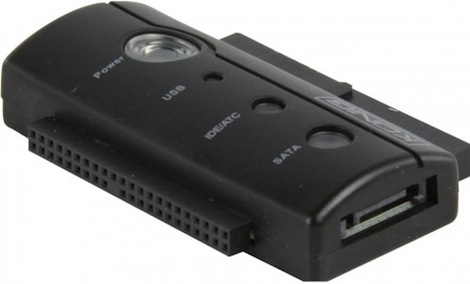
Το Υπουργείο Ανάπτυξης και Ανταγωνιστικότητας ανακοινώνει ότι η εταιρεία SUN Α.Ε. εκτελεί πρόγραμμα ανάκλησης αντάπτορα σύνδεσης σκληρού δίσκου σε USB μάρκας König με τύπο CMP-USB IDE SAT2.
Η ανάκληση αφορά 1250 τεμάχια, που έχουν διατεθεί στην ελληνική αγορά από τον Οκτώβριο του 2011 έως και το Σεπτέμβριο του 2014, στα οποία ενδέχεται να εμφανιστεί βραχυκύκλωμα λόγω λανθασμένης συνδεσμολογίας.
Μέχρι στιγμής δεν έχει αναφερθεί καμία περίπτωση ατυχήματος, που να σχετίζεται με το συγκεκριμένο θέμα.
Η εταιρεία έχει διακόψει την πώληση του προϊόντος και έχει ενημερώσει τους πελάτες λιανικής ώστε να το αποσύρουν από τα καταστήματα.
Παρακαλούνται όλοι οι καταναλωτές, που αγόρασαν το προϊόν αυτό, να μην το χρησιμοποιούν και να το επιστρέψουν στο κατάστημα που το έχουν αγοράσει, προκειμένου να τους επιστραφεί ποσό ίσο την αξία της αγοράς του προϊόντος.
Αντίστοιχα, καλούνται οι καταναλωτές να ενημερώσουν τα άτομα, στα οποία έχουν ενδεχομένως δωρίσει το συγκεκριμένο προϊόν, ότι μπορούν να το επιστρέψουν χωρίς την απόδειξη αγοράς.
Για περισσότερες πληροφορίες ή διευκρινίσεις οι καταναλωτές παρακαλούνται όπως επικοινωνήσουν με την Sun Α.Ε. στο τηλέφωνο 2310-700777 (Δευτ. – Παρ. 9:00-17:00), κα Μαρία Σαφούρη, ή στην ηλεκτρονική διεύθυνση msafouri@sun.gr ή με το δίκτυο μεταπωλητών της εταιρείας.

Λατρεύω το Apple TV μου!
08 Νοεμβρίου 2014 13:39 ::
Διασκέδαση & Ψυχαγωγία (Fun)
|
Φανατικοί Χρήστες Προϊόντων Apple
| Apple TV
Apple Software Update: FujiXerox Printer Drivers v3.0 for OS X!
08 Νοεμβρίου 2014 13:31 ::
Υποστήριξη Apple Mac > Software Updates -
Αναβαθμίσεις Λογισμικού |
Υποστήριξη Apple Mac > Τεχνική
Βοήθεια |
Υποστήριξη Lion 10.7 |
Υποστήριξη Lion Server 10.7 |
Υποστήριξη Mac |
Υποστήριξη Mac OS X |
Υποστήριξη Mac OS X Server |
Υποστήριξη Mountain Lion 10.8
|
Υποστήριξη Mountain Lion Server 10.8
|
Υποστήριξη Mavericks 10.9 |
Υποστήριξη Mavericks Server 10.9
|
Υποστήριξη Yosemite 10.10 |
Υποστήριξη Yosemite Server 10.10
|
Υποστήριξη Πελατών Apple |
Υποστήριξη Χρηστών Mac | Mac | Mac OS X
| Mac OS X Lion
10.7 |
Mac OS X
Lion Server 10.7 | Mac OS X
Mavericks 10.9 | Mac
OS X Mavericks Server 10.9 | Mac OS
X Mountain Lion 10.8 | Mac
OS X Mountain Lion Server 10.8
| Mac OS X
Yosemite 10.10 | Mac
OS X Yosemite Server 10.10 |
Τεχνική Υποστήριξη Apple Mac
|
Τεχνική Υποστήριξη Mac |
Εκτυπώσεις |
Λογισμικό (Software) |
Λογισμικό Mac (Mac Software)
| Xerox
DOWNLOAD
System Requirements:
OS X Yosemite
OS X Mavericks
OS X Mountain Lion
OS X Lion
This download includes the latest Fuji-Xerox printing and scanning software for OS X Yosemite, OS X Mavericks, OS X Mountain Lion and OS X Lion.
For more information about printing and scanning software, see http://support.apple.com/kb/HT3669#fuji-xerox.
"WD Purple": Σκληρός Δίσκος 6 ΤΒ από την Western Digital!
08 Νοεμβρίου 2014 13:07 ::
Νέα Προϊόντα Πληροφορικής |
Νέες Τεχνολογίες |
Υλικό (Hardware) |
Σκληροί Δίσκοι

Η σειρά WD Purple μεγαλώνει με νέα μοντέλα και χωρητικότητες που αγγίζουν τα 6 TB για να στριμώξετε όλα σας τα δεδομένα!
Η WD υποστηρίζει πως ο δίσκος είναι ιδανικός για συστήματα παρακολούθησης, μέσα στα πρότυπα του Internet of Things οικοσυστήματος καθώς εξοπλίζεται με τεχνολογίες που έχει αναπτύξει η WD ειδικά για αυτό τον σκοπό.
Οι AllFrame και IntelliSeek τεχνολογίες βοηθούν (αντίστοιχα) στη μείωση της απώλεια των δεδομένων από ένα βίντεο αλλά και στη χαμηλότερη κατανάλωση μέσω υπολογισμών που κάνει ο δίσκος κατά τη λειτουργία του.
Ο δίσκος (WD60PURX) έχει προτεινόμενη τιμή τα $329.99 και ξεκινά από το 1 TB φτάνοντας στο προαναφερθέν μοντέλο των 6 TB.
Big Mac!
08 Νοεμβρίου 2014 13:05 ::
Διασκέδαση & Ψυχαγωγία (Fun)
| Mac | MacBook
| MacBook Pro
| MacBook
Pro Retina Display

Με πρόσχημα το Ισλάμ σφυροκοπούνται οι Διαδικτυακές Ελευθερίες!
08 Νοεμβρίου 2014 13:03 ::
Νομικά Θέματα |
Διαδίκτυο (Internet) |
Δικαιώματα Καταναλωτών |
Ευρωπαϊκή Ένωση |
Ευρωπαϊκή Νομοθεσία

Υπό το φόβο ότι διεθνείς τρομοκρατικές και ένοπλες οργανώσεις όπως το Ισλαμικό Κράτος, χρησιμοποιούν την τεχνολογία των κινητών και τα μέσα κοινωνικής δικτύωσης για να διασπείρουν τα μηνύματά τους, ο νέος διευθυντής της βρετανικής υπηρεσίας Πληροφοριών δεν απέκλεισε το ενδεχόμενο ακόμη μεγαλύτερης παρακολούθησης των πολιτών.
Ο Ρόμπερτ Χανιγκαν, στην πρώτη του δημόσια παρέμβαση ως επικεφαλής της βρετανικής υπηρεσίας Πληροφοριών και Παρακολούθησης GCHQ (Government Communications Headquarters) κατηγόρησε τις εταιρείες υψηλής τεχνολογίας των ΗΠΑ ότι έχουν εξελιχθεί «σε δίκτυα διοίκησης και ελέγχου προσφιλή σε τρομοκράτες» και ότι πρέπει να συμβάλουν περισσότερο στο έργο των υπηρεσιών ασφαλείας και επιβολής του νόμου.
Αλλωστε, όπως τόνισε «η προστασία της ιδιωτικής σφαίρας δεν υπήρξε ποτέ απόλυτο δικαίωμα».
Ο Ρόμπερτ Χάνιγκαν δήλωσε ότι το Ισλαμικό Κράτος, περισσότερο από κάθε άλλη ένοπλη οργάνωση στο παρελθόν, χρησιμοποιεί την τεχνολογία των κινητών και τα μέσα κοινωνικής δικτύωσης όπως τα Twitter, Facebook και WhatsApp για να διασπείρει το μήνυμά του κρυμμένο πίσω από πολύπλοκα εργαλεία κρυπτογράφησης και δημιουργώντας μεγαλύτερα προβλήματα από ποτέ στις υπηρεσίες ασφαλείας.
«Το GCHQ και οι αδελφές υπηρεσίες, το ΜΙ5 και Secret Intelligence Service, δεν έχουν τη δυνατότητα να αντιμετωπίσουν τα προβλήματα αυτά με την ύψιστη αποτελεσματικότητα χωρίς μία μεγαλύτερη υποστήριξη του ιδιωτικού τομέα, περιλαμβανομένων των μεγαλύτερων εταιρειών υψηλής τεχνολογίας που κυριαρχούν στο Διαδίκτυο», υποστηρίζει σε άρθρο του που δημοσιεύεται στους «Financial Times».
Ερευνητική ομάδα κατασκεύασε οπτικό δίσκο χωρητικότητας 1000 TB!
08 Νοεμβρίου 2014 12:59 ::
Νέα Προϊόντα Πληροφορικής |
Νέες Τεχνολογίες |
Υλικό (Hardware) |
Σκληροί Δίσκοι |
Αγορά Πληροφορικής

Μία ερευνητική ομάδα από το πανεπιστήμιο Swinburne University of Technology της Αυστραλίας, κατόρθωσε να κατασκευάσει έναν οπτικό δίσκο χωρητικότητας 1.000 TB!
Ο παράγοντας που καθορίζει σε μεγάλο βαθμό τη χωρητικότητα του οπτικού δίσκου, είναι το φως και το πώς αυτό διαθλάται στην επιφάνειά του.
Οι ερευνητές του Swinburne University of Technology, κατάφεραν και τοποθέτησαν δύο laser με μήκος κύματος 500nm, όπου το ένα είναι ουσιαστικά αυτό που που γράφει τα δεδομένα και το άλλο, μέσω ενός ειδικού μεταλλικού στοιχείου μήκους 9nm, μπλοκάρει το φως, δίνοντας την ευκαιρία να γραφτούν περίπου 1000 TB δεδομένων στον δίσκο.
Ακόμα η έρευνα είναι σε πρώιμο στάδιο και έχει αρκετές δυσκολίες στην υλοποίησή της, όμως δεν αποκλείεται να δούμε και εταιρίες να ενδιαφέρονται να βοηθήσουν στην ανάπτυξη της συγκεκριμένης τεχνολογίας.
Κακόβουλο Λογισμικό WireLurker: Σημαντική απειλή ασφαλείας για Mac και iOS συσκευές!
08 Νοεμβρίου 2014 12:53 ::
Αντιμετώπιση Ψηφιακών Ιών (Antivirus)
|
Ψηφιακή Ασφάλεια |
Τεχνική Υποστήριξη Apple Mac
|
Τεχνική Υποστήριξη Mac |
Υποστήριξη Apple Mac > Βοήθεια (Tips &
Tricks) |
Υποστήριξη Apple Mac > Επίλυση
Προβλημάτων |
Υποστήριξη Apple Mac > Τεχνικές
Συμβουλές |
Υποστήριξη Apple Mac > Τεχνική
Βοήθεια |
Υποστήριξη Mac |
Υποστήριξη Mac OS X |
Υποστήριξη Mac OS X Server |
Υποστήριξη Yosemite 10.10 |
Υποστήριξη Yosemite Server 10.10
|
Υποστήριξη Leopard 10.5 |
Υποστήριξη Leopard Server 10.5
|
Υποστήριξη Lion 10.7 |
Υποστήριξη Lion Server 10.7 |
Υποστήριξη Mavericks 10.9 |
Υποστήριξη Mavericks Server 10.9
|
Υποστήριξη Mountain Lion 10.8
|
Υποστήριξη Mountain Lion Server 10.8
|
Υποστήριξη Snow Leopard 10.6
|
Υποστήριξη Snow Leopard Server 10.6
|
Υποστήριξη Πελατών Apple |
Υποστήριξη Χρηστών Mac | Mac | Mac OS X
| Mac OS X
Leopard 10.5 | Mac OS
X Leopard Server 10.5 | Mac OS X Lion
10.7 |
Mac OS X
Lion Server 10.7 | Mac OS X
Mavericks 10.9 | Mac
OS X Mavericks Server 10.9 | Mac OS
X Mountain Lion 10.8 | Mac
OS X Mountain Lion Server 10.8
| Mac OS X
Server | Mac OS X
Snow Leopard 10.6 | Mac
OS X Snow Leopard Server 10.6
| Mac OS X
Yosemite 10.10 | Mac
OS X Yosemite Server 10.10

Η εταιρία Palo Alto Networks, αποκάλυψε ένα malware για συσκευές της Apple με λειτουργικό Mac OS X και iOS, πρακτικά όλες τις συσκευές της εταιρίας.
Σύμφωνα με την Palo Alto Networks, το malware με την ονομασία WireLurker έχει εξαπλωθεί από το Maiyadi App Store (κινέζικο App Store για το OS X) και έχει μολύνει περισσότερους από 350 χιλιάδες υπολογιστές, οι οποίοι με τη σειρά τους μολύνουν τις iOS φορητές συσκευές της Apple.
Το WireLurker "μεταδίδεται", όταν οι συσκευές με iOS (iPhone, iPad, iPod Touch) συνδεθούν μέσω USB με τον μολυσμένο υπολογιστή.
Κατά τη σύνδεση, το WireLurker αποκτά πρόσβαση στη συσκευή, χρησιμοποιώντας πλαστό enterprise provisioning certificate (χρησιμοποιείται από εταιρίες για εγκατάσταση software χωρίς την έγκριση του App Store), ενώ εγκαθίσταται και σε συσκευές που έχει γίνει jailbreak.
Στα jailbroken iPhone, το malware ξαναεγκαθιστά εφαρμογές όπως το TaoBao και το AliPay (εφαρμογές για δημοπρασίες και πληρωμές) ώστε να μαζέψει χρήσιμες πληροφορίες.
Οι ερευνητές αναφέρουν ότι η συγκεκριμένη εφαρμογή είναι ένας έλεγχος για να δοκιμάσουν ότι το σύστημα λειτουργεί, πριν περάσουν σε κακόβουλες δραστηριότητες.
Το malware είναι σε πρώιμο στάδιο και δεν γνωρίζουν οι ερευνητές πως μπορεί να εξελιχθεί, ενώ προτείνουν να αποφεύγουν οι χρήστες USB φορτιστές από άγνωστους κατασκευαστές και να μην εγκαθιστούν εφαρμογές από τρίτα App Stores.
Η Palo Alto Networks έχει ήδη αναπτύξει το εργαλείο WireLurker: A New Era in OS X and iOS Malware που μπορεί να ελέγξει την ύπαρξη του malware.

Apple CEO Tim Cook: Είμαι υπερήφανος που είμαι ομοφυλόφιλος...


Apple CEO Tim Cook has publicly come out as gay for the first time ever in a heartfelt first-person testimony published at Bloomberg BusinessWeek. “While I have never denied my sexuality,” he wrote, “I haven’t publicly acknowledged it either, until now. So let me be clear: I’m proud to be gay, and I consider being gay among the greatest gifts God has given me.”
Among the ways being gay has affected his life, Cook explained that it’s “provided a window into the challenges that people in other minority groups deal with every day,” as well as making him “more empathetic” and giving him “the skin of a rhinoceros, which comes in handy when you’re the CEO of Apple.”
Back in May, the New York Times wrote how there were no openly gay CEOs at any of the nation’s 1,000 biggest companies. The paper later clarified that none had discussed their sexuality openly, at least, but many were already familiar with Cook’s story. In fact, during a June CNBC segment on the topic, host Simon Hobbs suggested, “I think Tim Cook is fairly open about the fact that he is gay,” which he quickly followed with, “Oh dear, was that an error?”
But it’s no longer an error, and Cook is adamant that though his privacy is important to him, he is coming out because he feels it’s the right thing to do for others: “If hearing that the CEO of Apple is gay can help someone struggling to come to terms with who he or she is, or bring comfort to anyone who feels alone, or inspire people to insist on their equality, then it’s worth the trade-off with my own privacy.” In addition being gay, he’s also still “an engineer, an uncle, a nature lover, a fitness nut, a son of the South, a sports fanatic, and many other things.”
Indeed, studies have shown that being out at work is good for both the well-being and productivity of gay employees and their colleagues. When employees feel safe to come out, they are more likely to advance in their career and stay with the same company. Likewise, working with openly gay people actually improves the productivity of their coworkers, who can more easily build trust without being distracted by the way somebody is hiding their private life.
Though Cook is now the first openly gay CEO at a major corporation, 91 percent of Fortune 500 companies include sexual orientation in their nondiscrimination policies and 67 percent offer same-sex partner benefits to employees.
Cook concluded by noting that he greets framed photos of Dr. Martin Luther King, Jr. and Robert F. Kennedy every morning at work and is inspired to do his own part to help others. “We pave the sunlit path toward justice together, brick by brick,” he wrote. “This is my brick.”
http://thinkprogress.org/lgbt/2014/10/30/3586327/tim-cook-apple-comes-out/


Οπτική ίνα με αστρονομικές ταχύτητες μετάδοσης 255 Terabit!

Ερευνητές στις ΗΠΑ και την Ευρώπη αναφέρουν ότι ανέπτυξαν ένα νέο είδος οπτικής ίνας, η οποία ανεβάζει την ταχύτητα μετάδοσης δεδομένων στον αστρονομικό αριθμό των 255 terabit ανά δευτερόλεπτο.
Πρόκειται για τεχνολογία που θα επέτρεπε το κατέβασμα ταινιών υψηλής ανάλυσης ταχύτερα από ό,τι ανοιγοκλείνουν τα ανθρώπινα μάτια.
Σε αντίθεση με τις συμβατικές οπτικές ίνες, οι οποίες διαθέτουν έναν μόνο πυρήνα κατά μήκος του οποίου ταξιδεύει το φως, η νέα ίνα προσφέρει επτά τέτοιες λωρίδες κυκλοφορίας.
Σε συνδυασμό με την προσθήκη δύο επιπλέον «ορθογώνιων διαστάσεων», κάτι που ισοδυναμεί με τρία αυτοκίνητα που κινούνται το ένα πάνω στο άλλο στην ίδια λωρίδα κυκλοφορίας, η νέα προσέγγιση προσφέρει 21 φορές μεγαλύτερη ταχύτητα από το σημερινό στάνταντ των 4-8 Tbit/sec στα δίκτυα επικοινωνιών.
Αυτό θα επέτρεπε το κατέβασμα μιας ταινίας μεγέθους 1 gigabyte σε 0,03 χιλιοστά του δευτερολέπτου, ενώ η μεταφορά του περιεχομένου από έναν σκληρό δίσκο του ενός terabyte θα απαιτούσε γύρω στα 31 χιλιοστά του δευτερολέπτου.
Συγκριτικά, τα ανθρώπινα βλέφαρα χρειάζονται 300 με 400 millisecond για να ανοιγοκλείσουν.
Η «ενσωμάτωση» των βίντεο σε ιστοσελίδες δεν παραβιάζει πνευματικά δικαιώματα!
04 Νοεμβρίου 2014 10:56 ::
Διαδίκτυο (Internet) | YouTube
|
Νομικά Θέματα |
Ευρωπαϊκή Ένωση |
Ευρωπαϊκή Νομοθεσία |
Δικαιώματα Καταναλωτών

Όπως πιθανόν όλοι γνωρίζουμε, μια από τις αρμοδιότητες του Ευρωπαϊκού Δικαστηρίου είναι και η επίβλεψη της εφαρμογής του ευρωπαϊκού δικαίου σε όλα τα κράτη-μέλη της Ευρωζώνης.
Επίσης στις αρμοδιότητές του, εμπίπτουν και συγκεκριμένες περιπτώσεις αποσαφήνισης του Ευρωπαϊκού δικαίου, με απώτερο σκοπό την εκδίκαση σημαντικών υποθέσεων.
Πριν από μερικές ημέρες δημοσιεύθηκε μια απόφαση η οποία ρυθμίζει ένα πολύ σημαντικό θέμα του διαδικτύου στις μέρες μας.
Είναι νόμιμη η ενσωμάτωση βίντεο, χωρίς την άδεια του κατόχου των δικαιωμάτων;
Η συγκεκριμένη υπόθεση εκδικάζεται σε δικαστήριο ενός κράτους μέλους και πιο συγκεκριμένα της Γερμανίας.
Ειδικότερα πρόκειται για μια διαμάχη μεταξύ μιας εταιρείας φίλτρων νερού, την BestWater International και δύο ατόμων που δρούσαν ως ανεξάρτητοι εμπορικοί παράγοντες για έναν ανταγωνιστή.
Η BestWater κατηγόρησε δυο άτομα για την ενσωμάτωση ενός προωθητικού βίντεο που ήταν διαθέσιμο στο Youtube, χωρίς την προηγούμενη άδεια της ίδιας.
Αυτό δημοσιεύθηκε στην προσωπική σελίδα των δυο ατόμων μέσα σε ένα πλαίσιο, όπως άλλωστε είναι συνηθισμένο για τα βίντεο του Youtube.
Αν και το Ευρωπαϊκό δίκαιο είναι ξεκάθαρο σχετικά με τους νόμους περι πνευματικής ιδιοκτησίας, στο θέμα της ενσωμάτωση των βίντεο, υπάρχουν σχετικές ασάφειες.
Ωστόσο αυτό που τονίζεται ξεκάθαρα από το Δικαστήριο, είναι ότι η ενσωμάτωση δεν είναι παράνομη.
Η απόφαση αυτή δεν έχει ακόμη δημοσιευθεί αλλά το torrentfreak κατάφερε να την αποσπάσει στα γερμανικά από τον δικηγόρο των κατηγορουμένων, που την περιγράφει ως μια νίκη ορόσημο.
Το δικαστήριο απεφάνθη ότι η εκ νέου ενσωμάτωση ενός βίντεο δεν αποτελεί παραβίαση δικαιωμάτων πνευματικής ιδιοκτησίας από τη στιγμή που αυτό είναι ήδη διαθέσιμο σε ένα ορισμένο κοινό, μέσω της δημοσίευσής του στο Youtube.
ΚΙΝΔΥΝΟΣ: Αυτοπρογραμματιζόμενο υπολογιστή κατασκευάζει η Google!
02 Νοεμβρίου 2014 23:17 :: Google
|
Έρευνα & Ανάπτυξη |
Ψηφιακή Ασφάλεια |
Νομικά Θέματα |
Νέες Τεχνολογίες |
Νέα Προϊόντα Πληροφορικής

Οι προγραμματιστές όλου του κόσμου ίσως, θα έπρεπε να ανησυχούν για τις μελλοντικές επαγγελματικές προοπτικές τους, οι οποίες σήμερα είναι θαυμάσιες. Η μυστικοπαθής νεοσύστατη βρετανική εταιρεία τεχνητής νοημοσύνης Deep Mind (Βαθύς Νους), την οποία ίδρυσε πριν λίγα χρόνια ο ελληνοκυπριακής καταγωγής νεαρός ιδιοφυής Βρετανός νευροεπιστήμονονας Ντέμης Χασάμπης και την εξαγόρασε η Google φέτος τον Ιανουάριο, αντί 400 εκατ. δολαρίων, έκανε γνωστό ότι εργάζεται πυρετωδώς για την ανάπτυξη ενός υπολογιστή που θα είναι τόσο έξυπνος, ώστε θα μπορεί να προγραμματίζεται μόνος του.
Πώς λειτουργεί
Ο υπολογιστής, με την ονομασία «Neural Turing Machine» (Νευρωνική Μηχανή Τιούρινγκ), συνδυάζει τον τρόπο που δουλεύει ένας συμβατικός υπολογιστής, με τον ευπροσάρμοστο και συνεχώς εξελισσόμενο τρόπο που «δουλεύει» (σκέπτεται) ο ανθρώπινος εγκέφαλος. Το υβριδικό μηχάνημα μαθαίνει καθώς αποθηκεύει νέες μνήμες και στη συνέχεια ανατρέχει σε αυτές για να εκτελέσει λογικές διεργασίες πέρα από αυτές για τις οποίες έχει ήδη προγραμματιστεί.Όπως δείχνουν τα πρώτα πειράματα, ο υβριδικός νευρο-υπολογιστής καταφέρνει να δημιουργεί μόνος του τους δικούς του -κατ’ αρχήν απλούς- αλγόριθμους προγραμματισμού, τους οποίους είναι σε θέση να χρησιμοποιήσει στη συνέχεια για να κάνει ταξινομήσεις και συσχετισμούς δεδομένων.
Οι στόχοι
H Google, συνεχώς εντείνει τις προσπάθειές της στο πεδίο της τεχνητής νοημοσύνης και της μηχανικής μάθησης. Προ εβδομάδος, ο αμερικανικός κολοσσός ξεκίνησε συνεργασία -μέσω της λονδρέζικης Deep Mind- με δύο ερευνητικές ομάδες τεχνητής νοημοσύνης του βρετανικού Πανεπιστημίου της Οξφόρδης (στα αντίστοιχα Τμήματα της Επιστήμης Υπολογιστών και της Μηχανικής), με στόχο να βοηθήσει τους υπολογιστές -και γενικότερα τις ηλεκτρονικές συσκευές- να καταλαβαίνουν καλύτερα τους χρήστες.
Επίσης, η εταιρεία εργάζεται για την ανάπτυξη πολύ γρήγορων κβαντικών «τσιπ» με μοντέλο τον ανθρώπινο εγκέφαλο, έτσι ώστε οι αναζητήσεις και το σχετικό λογισμικό να αποκτήσουν μεγαλύτερη «διαίσθηση» και ικανότητα πρόβλεψης. Για τον λόγο αυτό, η Google ξεκίνησε συνεργασία με τον Τζον Μαρτίνη, καθηγητή του Πανεπιστημίου της Καλιφόρνια - Σάντα Μπάρμπαρα.

PayPal Refunded Returns: Η PayPal εγκαινιάζει την υπηρεσία δωρεάν επιστροφής προϊόντων!
02 Νοεμβρίου 2014 22:57 ::
Διαδίκτυο (Internet) |
Εγγύηση/Εγγυήσεις Προϊόντων | PayPal
|
Ηλεκτρονικές Συναλλαγές |
Ψηφιακή Ασφάλεια |
Δικαιώματα Καταναλωτών |
Νομικά Θέματα

Η PayPal εγκαινιάζει την υπηρεσία PayPal Refunded Returns (Δωρεάν Επιστροφή Προϊόντων) και αποκαλύπτει τα πιο πρόσφατα στοιχεία για τις νέες καταναλωτικές προδιαγραφές στην αγορά του ηλεκτρονικού εμπορίου στην Κεντρο-Ανατολική Ευρώπη.
Η PayPal ανακοίνωσε το λανσάρισμα της υπηρεσίας PayPal Refunded Returns σε 15 χώρες της Κεντρικής και Ανατολικής Ευρώπης, σε συνέχεια της αντίστοιχης έναρξης σε άλλα κράτη της Ευρωπαϊκής Ένωσης, ενώ τα αποτελέσματα μιας πρόσφατης έρευνας που διεξήγαγε η Gemius για λογαριασμό της PayPal επιβεβαιώνουν ότι οι καταναλωτές αυτής της περιφέρειας αντιμετωπίζουν και αυτοί την δωρεάν επιστροφή ειδών ως έναν βασικό γνώμονα του ηλεκτρονικού εμπορίου και εξίσου σημαντικό, όταν πρόκειται να λάβουν την απόφαση για την online αγορά ή μη ενός προϊόντος.
Τώρα, ανεξάρτητα από τον λόγο της επιστροφής, οι χρήστες που έχουν παραγγείλει ένα προϊόν και ήδη το πλήρωσαν μέσω PayPal, μπορούν να το επιστρέψουν και να πάρουν πίσω όλα τα έξοδα της αποστολής, απολαμβάνοντας έτσι μια ακόμα πιο άνετη και ασφαλή αγοραστική εμπειρία, όταν αγοράζουν προϊόντα από εγχώριους ή ξένους εμπόρους σε όλο τον κόσμο. Επιπλέον, με τον τρόπο αυτόν, η PayPal επεκτείνει την προστασία των αγοραστών και εξασφαλίζει τους καταναλωτές από την ώρα της αγοράς μέχρι και την επιστροφή.
Η φιλοσοφία του PayPal Refunded Returns, που διευκολύνει την διαδικασία των αγορών χωρίς έγνοιες, ήδη αποδείχθηκε η πλέον σωστή λύση σε χώρες όπως η Γαλλία, η Ισπανία, η Ιταλία ή η Σουηδία, όπου η υπηρεσία παροτρύνει αποτελεσματικά τους καταναλωτές να απολαμβάνουν στο έπακρον τις δυνατότητες που προσφέρει το ηλεκτρονικό εμπόριο. Επομένως, από σήμερα η εν λόγω υπηρεσία παρέχεται επίσης σε 15 χώρες στην Κεντρική και Ανατολική Ευρώπη, συμπεριλαμβανομένης και της Ελλάδας.
Ο διαδικτυακός καταναλωτής το 2014
Οι καταναλωτές στην περιοχή μας αγοράζουν όλο και περισσότερο και θεωρούνται συνειδητοποιημένοι πελάτες: ενώ σχεδόν το 37% από εμάς αγοράζει στο διαδίκτυο περίπου 1-2 φορές το τρίμηνο, υπάρχει επίσης ένα καθόλου αμελητέο μερίδιο καταναλωτών που προβαίνει σε αγορές πάνω από μία φορά τον μήνα (18%).
Αξίζει να αναφέρουμε ότι πλέον για τους περισσότερους στην περιοχή μας οι αγορές στο Internet δεν αποτελούν μυστήριο – οι καταναλωτές όχι μόνο το τολμούν, αλλά γνωρίζουν και το πώς να το αξιοποιήσουν με κάθε δυνατό τρόπο.
Ως εκ τούτου, δεν προκαλεί έκπληξη το γεγονός ότι οι καταναλωτές προσδοκούν τις προδιαγραφές και παροχές που ισχύουν διεθνώς.
Παράλληλα, η δυναμική αύξησης του ηλεκτρονικού εμπορίου είναι ακόμα ιδιαίτερα μεγάλη, αφού, όπως επισημαίνει η έρευνα, οι καταναλωτές θα ήταν διατεθειμένοι να προβούν σε ακόμα περισσότερες αγορές, έχοντας μεν ξεπεράσει τον φόβο του διαδικτυακού shopping, εάν δεν ανησυχούσαν όμως για το εάν θα είναι σε θέση ή όχι να επιστρέψουν τα προϊόντα που αγόρασαν.
Το να αλλάξεις αυτή ειδικά την προσέγγιση και να προσφέρεις στους πελάτες μεγαλύτερη αγοραστική εμπιστοσύνη, αποτελεί τον ακρογωνιαίο λίθο της προστασίας του αγοραστή για την PayPal, που τώρα επεκτείνεται στην υπηρεσία PayPal Refunded Returns.
Καθώς τα μεταφορικά κόστη αποτελούν έναν βασικό παράγοντα των διαδικτυακών αγορών (το 40% των πελατών σκέφτεται σοβαρά να μην προβεί σε αγορά, όταν είναι αναγκασμένοι να πληρώσουν το κόστος αποστολής), το 75% των ερωτηθέντων θα εξέταζε την περίπτωση να αγοράσει online περισσότερα είδη, εάν ήταν δωρεάν το μεταφορικά έξοδα αποστολής των επιστρεφόμενων προϊόντων.
Επιπλέον, το 74% των διαδικτυακών αγοραστών προσέχει εάν παρέχεται η δυνατότητα δωρεάν επιστροφής στις online αγορές, ενώ το 21% των ερωτηθέντων όντως αγόρασε είδη online την περασμένη χρονιά, ακριβώς επειδή ίσχυε η πολιτική της δωρεάν επιστροφής χωρίς έξοδα μεταφοράς. Ενώ σχεδόν το 57% των ερωτηθέντων θεωρεί ότι είναι καλό να παρέχεται η δυνατότητα της δωρεάν επιστροφής στις online αγορές, μόλις το 6% των πελατών δηλώνει ότι δεν είναι απαραίτητο ή και καθόλου σημαντικό.
Σύμφωνα με τον Damien Perillat, Μanaging Director της PayPal στην Περιφέρεια της Κεντρικής και Ανατολικής Ευρώπης,
«Δεν αποτελεί έκπληξη πλέον το γεγονός ότι οι καταναλωτές, από τη στιγμή που μπορούν από το σπίτι ή το γραφείο τους να αγοράσουν σχεδόν τα πάντα, οι απαιτήσεις τους σχετικά με τα καταναλωτικά αγαθά, τις υπηρεσίες και την όλη διαδικασία των αγορών τους, να είναι πλέον πολύ πιο υψηλές σε σχέση με το παρελθόν. Με το ηλεκτρονικό εμπόριο να αποκτά περισσότερο τοπικό αλλά ταυτόχρονα και παγκόσμιο χαρακτήρα, ιδίως στις αγορές της Ευρωπαϊκής Ένωσης, εύκολες λύσεις, όπως η υπηρεσία PayPal Refunded Returns, ανάγονται σχεδόν αυτομάτως σε νέο κανόνα.
Η αναγνώριση και η εφαρμογή αυτών των πολύτιμων διαδικτυακών μεθόδων, δεν είναι μόνο θέμα που αφορά στην ανταγωνιστικότητα, αλλά και ένας καινούργιος τρόπος να αποκτήσουν οι καταναλωτές περισσότερη εμπιστοσύνη και καταναλωτική προστασία, με στόχο την ανάπτυξη του ηλεκτρονικού εμπορίου και στην δική μας περιφέρεια, την Κεντρική και Ανατολική Ευρώπη”
Δεν είναι το σωστό είδος; Κανένα πρόβλημα!
Η υπηρεσία PayPal Refunded Returns επιτρέπει στους εμπόρους να καλύψουν τις ανάγκες των πελατών τους, οι οποίοι θέλουν να απολαμβάνουν την καλύτερη δυνατή εμπειρία αγορών. Οι χρήστες που έκαναν την παραγγελία ενός προϊόντος και το πλήρωσαν μέσω PayPal, δύνανται να το επιστρέψουν και να αποζημιωθούν πλήρως για το κόστος μεταφοράς, έως το ποσό των 30 ευρώ ανά αποστολή. Το μοναδικό τους μέλημα σχετικά με την χρηματική αποζημίωση είναι να κρατήσουν τις αποδείξεις των ταχυδρομικών τελών μεταφοράς. Τότε, τα τρία εύκολα βήματα προκειμένου να λάβουν την επιστροφή χρημάτων είναι τα εξής:
▪ Κατεβάζετε την ειδική φόρμα και συμπληρώνετε τα στοιχεία σας.
▪ Προσθέτετε τις αποδείξεις της αγοράς και της ταχυδρομικής αποστολής.
▪ Στέλνετε με email στην PayPal το πακέτο της φόρμας και των αποδεικτικών.
Χάρη στην νέα αυτή λειτουργία, αφού ολοκληρώσετε την σύντομη αυτή διαδικασία, το ποσό της επιστροφής θα εμφανιστεί σύντομα στον δικό σας λογαριασμό PayPal, εντός των επόμενων 10 ημερών.
Με τον τρόπο αυτό, ακόμα και εάν προϊόντα, όπως είδη ένδυσης και αξεσουάρ, θα εξακολουθούν να επιστρέφονται κυρίως λόγω λάθους μεγέθους ή άλλου προβλήματος, το ζήτημα αυτό δεν θα απασχολεί πλέον ούτε τους καταναλωτές ούτε τους εμπόρους.
Κατά την αρχική δοκιμαστική περίοδο, η υπηρεσία PayPal Refunded Returns θα είναι ενεργή έως τις 31 Δεκεμβρίου 2014.
Περισσότερες πληροφορίες σχετικά με την υπηρεσία PayPal Refunded Returns στην Ελλάδα και στην υπόλοιπη Ευρώπη στον ιστότοπο https://www.paypal.eu/returns/
Microsoft: Νέο Outlook για υπολογιστές Mac και πληροφορίες για το επόμενο Office!
02 Νοεμβρίου 2014 22:51 ::
Νέα Προϊόντα Πληροφορικής |
Έρευνα & Ανάπτυξη |
Νέες Τεχνολογίες |
Λογισμικό (Software) |
Λογισμικό Mac (Mac Software)
| Microsoft
Office | Microsoft

Η έκδοση της δημοφιλούς σουίτας εφαρμογών Office της Microsoft για υπολογιστές Mac δεν έχει μαζέψει και τις καλύτερες κριτικές, με την εταιρεία να ετοιμάζει μια πλήρως ανανεωμένη έκδοση, αρχής γενομένης από σήμερα.
Το γνωστό πρόγραμμα διαχείρισης e-mail, το Outlook το οποίο και αποτελεί σημαντικό μέρος της σουίτας, είναι το πρώτο που αναβαθμίζεται, με τη Microsoft να το διαθέτει αρχικά αποκλειστικά για τους συνδρομητές της υπηρεσίας Office 365.
Έτσι το Outlook για Mac φέρνει ένα εντελώς νέο σχεδιασμό ο οποίος θυμίζει αυτόν της έκδοσης για Windows, ενώ αναμένεται να έχει βελτιωμένες επιδόσεις και αξιοπιστία. Όσον αφορά το γραφικό περιβάλλον της εφαρμογής το οποίο μπορείτε να δείτε στην παρακάτω φωτογραφία, αυτό είναι πιο μοντέρνο με πιο ομαλή μετακίνηση μεταξύ των καρτελών που βρίσκονται στο Ribbon αλλά και καλύτερο scrolling.
Στο αναλυτικό μήνυμα της στο επίσημο blog του Office, η Microsoft δίνει πληροφορίες και για τις υπόλοιπες εφαρμογές που αποτελούν το Office για Mac και συγκεκριμένα το Word, Excel, PowerPoint και OneNote. Αρχικά η εταιρεία προετοιμάζει να κυκλοφορήσει μια δημόσια δοκιμαστική έκδοση αυτών των εκδόσεων το πρώτο εξάμηνο του 2015, με την τελική έκδοση να αναμένεται το δεύτερο εξάμηνο. Όσοι είναι ενεργοί συνδρομητές της cloud υπηρεσίας Office 365 θα μπορούν να κατεβάσουν τις εφαρμογές χωρίς επιπλέον κόστος αν και θα υπάρχει δυνατότητα αγοράς με μια εφάπαξ τιμή.
http://blogs.office.com/2014/10/31/new-outlook-mac-available-office-365-customers/

MacBook - MacBook Pro Retina Display - MacBook Air - PowerBook - iBook - Mac Pro - iMac - iMac Retina 5K Display - iMac Pro - Mac Mini - Xserve - Server - Power Mac - PowerBook - eMac - iPhone X - iPhone 8 Plus - iPhone 8 - iPhone 7Plus - iPhone 7 - iPhone SE - iPhone 6s Plus - iPhone 6s - iPhone 6 Plus - iPhone 6 - iPhone 5S - iPhone 5 - iPhone 4S - iPhone 3GS - iPhone 3G - iPad - iPad Mini - iPad Air - iPad Pro - 5G - 4G - 3G - WiFi - iPod - Apple Watch - Apple TV - Intel Core i7 - Intel Core i5 - Intel Core i3 - Intel Xeon - Intel Core 2 Duo - G5 - G4 - G3 - 12" - 13" - 14" - 15" - 17" - 20" - 21" - 24" - 27" - macOS Server - Mac OS X Server - Mojave 10.14 - High Sierra 10.13 - Sierra 10.12 - El Capitan 10.11 - Yosemite 10.10 - Mavericks 10.9 - Mountain Lion 10.8 - Lion 10.7 - Snow Leopard 10.6 - Leopard 10.5 - Tiger 10.4 - Panther 10.3 - Mac OS 9 - iOS - App Store - iTunes - iCloud - Facetime - iCal - iChat - iSync - Mail - Safari - Time Machine Backup - Quicktime - iLife - iPhoto - iMovie - iDVD - GarageBand - iWork - Pages - Keynote - Numbers - Final Cut Pro X - Final Cut Studio - Logic Pro - Aperture - LCD - Ram - Hard Disk - SSD - Hybrid - Fusion
This web site is not affiliated with Apple Inc.Αττική - Αθήνα - Θεσσαλονίκη - Πελλοπόνησος - Επτάνησα - Κυκλάδες - Δωδεκάνησα - Κρήτη
Apple Mac Support Net is not an Apple Authorised Service Provider. We provide Independent Technical Support and Service for Apple Mac Computers.
Apple, Mac, iPhone, iPad, iPod, Apple Logo and Mac Logo are registered trademarks of Apple Inc., registered in the U.S. and other countries.
All Copyrights, Logos, Trademarks and Intelectual Properties in this website are property of their respective owner.
All the rest ©2000- Apple Μac Support Net.